Gold: A Timeless Treasure of Value, Culture, and Versatility
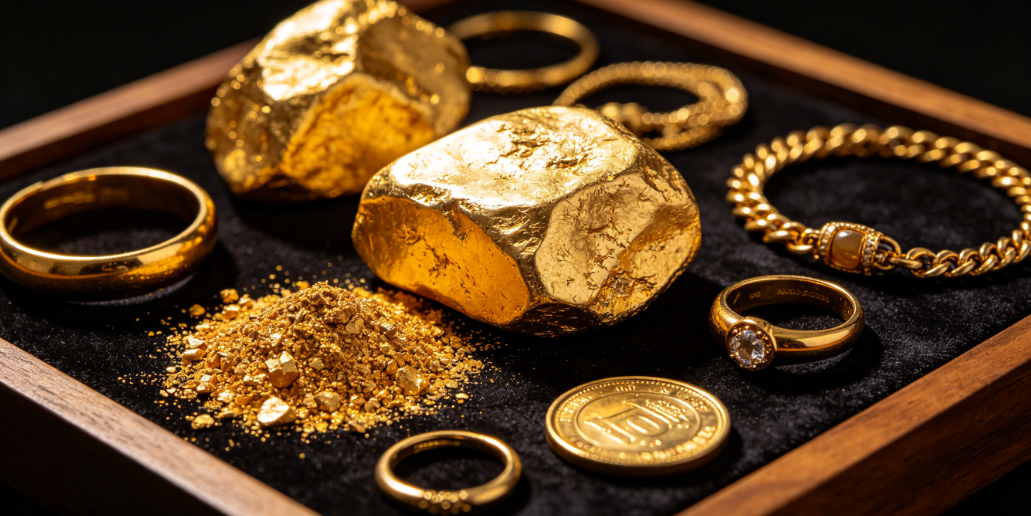
For thousands of years, gold has held a unique and unshakable place in human civilization, admired for its radiant beauty, enduring durability, and unwavering value. Unlike any other metal or asset, gold transcends time, cultures, and economic systems, serving as a symbol of wealth, power, tradition, and stability. From ancient civilizations that worshipped it as a divine gift to modern investors who rely on it as a safe haven, gold’s allure remains as strong today as it was millennia ago.
Gold is a chemical element (symbol Au, from the Latin “aurum,” meaning “shining dawn”) with distinct properties that set it apart from other metals. It is naturally occurring, rare, and highly malleable—so much so that a single ounce of gold can be hammered into a thin sheet covering over 100 square feet or drawn into a wire over 50 miles long. Its characteristic warm yellow hue is instantly recognizable, and unlike silver or copper, gold is highly resistant to corrosion, tarnish, and rust. This durability means gold artifacts, jewelry, and coins can survive for centuries, retaining their luster and value through the ages.
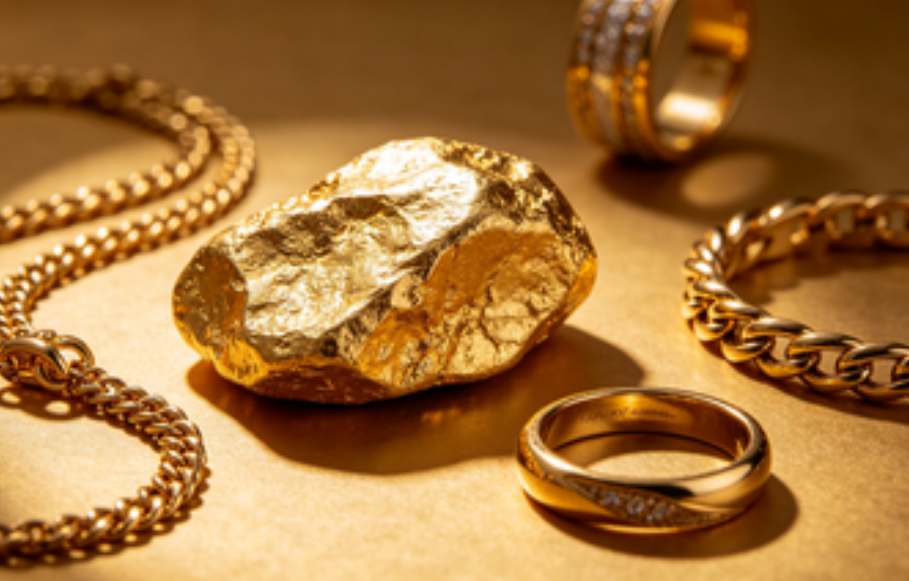
Throughout history, gold has been deeply intertwined with culture, religion, and power. In ancient Egypt, gold was considered the flesh of the gods, associated with immortality and divine authority. Pharaohs were buried with gold masks, sarcophagi, and treasures to accompany them into the afterlife, while priests used gold vessels in sacred rituals. In ancient Rome, gold coins became the standard currency, unifying the empire’s vast trade networks and symbolizing the strength of the state. In Eastern cultures—from India to China—gold is a cornerstone of tradition: it is gifted at weddings, festivals, and coming-of-age ceremonies, representing prosperity, good luck, and family unity. Even today, gold jewelry remains a central part of cultural celebrations worldwide, carrying sentimental value that transcends its monetary worth.
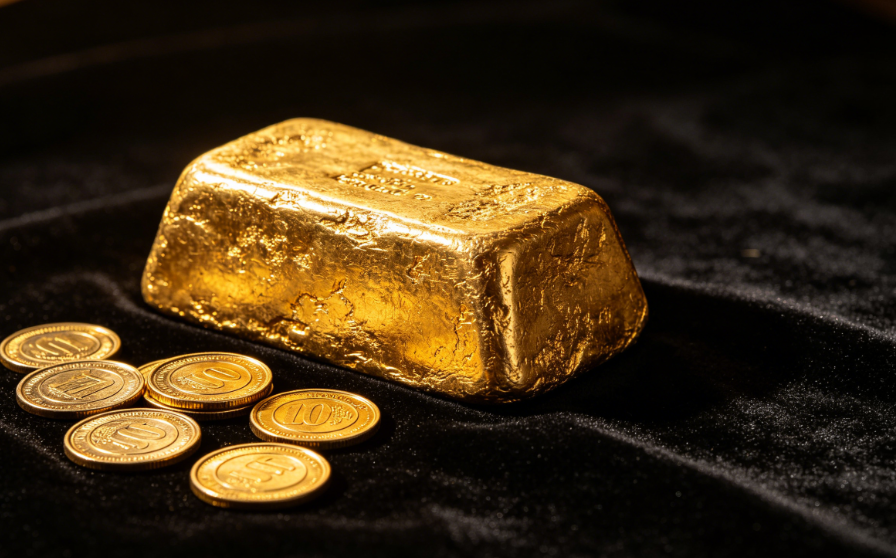
In the modern financial landscape, gold continues to play a critical role as a safe haven asset. Unlike stocks, bonds, or fiat currencies, gold is not dependent on the performance of governments, corporations, or economies. This makes it a reliable hedge against inflation, economic downturns, and geopolitical uncertainty. When inflation erodes the purchasing power of paper money, gold retains its value; when stock markets crash or political tensions rise, investors turn to gold to protect their wealth. Popular investment forms include gold bars, coins (such as the American Gold Eagle, Canadian Maple Leaf, and South African Krugerrand), and gold exchange-traded funds (ETFs), which allow investors to gain exposure to gold without owning physical metal.
Beyond its cultural and financial significance, gold is also a versatile material with practical applications. Its excellent conductivity of electricity and heat makes it essential in electronics, from smartphones and computers to medical devices and aerospace technology. In dentistry, gold is used for fillings, crowns, and bridges due to its biocompatibility and durability. Gold leaf, a thin sheet of hammered gold, is used in art, architecture, and decoration, adding a touch of elegance to buildings, paintings, and religious artifacts.
The journey of gold from the earth to its final form is a complex and labor-intensive process. Gold is found in small concentrations in rocks, riverbeds, and underground veins, requiring careful mining and refining. Modern mining practices prioritize sustainability, with companies implementing measures to reduce environmental impact—such as reforestation of mined areas, water conservation, and the use of eco-friendly technologies. Despite these efforts, gold remains a scarce resource; it is estimated that all the gold ever mined throughout history could fit into a cube measuring just 20 meters on each side, underscoring its rarity and value.
Gold’s enduring appeal lies in its unique combination of beauty, durability, rarity, and cultural significance. It is a metal that bridges the past and the present, connecting ancient traditions with modern finance. Whether worn as jewelry, held as an investment, used in technology, or admired as a work of art, gold continues to captivate humanity. In a world of constant change and uncertainty, gold stands as a steadfast symbol of permanence, value, and hope—one that will continue to be cherished and revered for generations to come.