The Essential Guide to Smart Investing: Grow Your Money Wisely

In a world where financial stability is a top priority for many, investing has become more than just a “nice-to-have”—it’s a necessary step to build wealth, beat inflation, and secure your future. Yet, for many people, investing feels intimidating, filled with confusing jargon, complex charts, and the fear of making costly mistakes. The good news? You don’t need to be a financial expert to invest smartly. This article breaks down the basics of investing, shares practical strategies for beginners, and helps you avoid common pitfalls, so you can start growing your money with confidence.
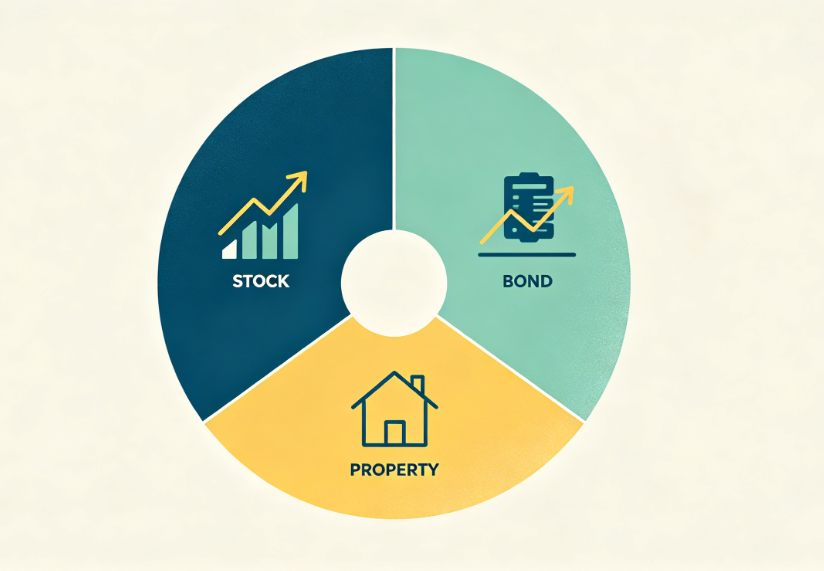
First, let’s clarify a common misconception: investing is not the same as gambling. Gambling relies on luck and short-term wins, while investing is about putting your money into assets that have the potential to increase in value over time. The goal is not to get rich overnight, but to build wealth steadily through patience, consistency, and informed choices. Whether you’re saving for retirement, a down payment on a home, or your child’s education, investing can help you reach those goals faster than just putting money in a regular savings account.
Understanding the Basics: Key Investment Terms You Need to Know
Before you start investing, it’s helpful to learn a few simple terms to avoid feeling overwhelmed. Here are the most essential ones:
- Assets: The things you invest in, such as stocks (shares of a company), bonds (loans to governments or corporations), real estate, or mutual funds. Each asset type has different levels of risk and potential returns.
- Risk vs. Return: There’s a direct relationship between risk and return—higher potential returns usually come with higher risk. For example, stocks are riskier than bonds but have the potential for greater long-term growth. As a beginner, you’ll want to balance risk and return based on your goals and how comfortable you are with market ups and downs.
- Compounding: This is the “magic” of investing—earning returns on your initial investment plus returns on the earnings you’ve already made. Over time, compounding can turn small, regular investments into a significant sum. The earlier you start, the more time compounding has to work for you.
- Diversification: Spreading your money across different assets to reduce risk. If one investment performs poorly, others may perform well, balancing out your losses. This is often called “not putting all your eggs in one basket.”
Practical Investing Strategies for Beginners
As a beginner, the best approach is to keep things simple. You don’t need to pick individual stocks or use complex tools—here are three strategies that work for most people:
1. Start with Low-Cost Index Funds or ETFs
Index funds and exchange-traded funds (ETFs) are ideal for beginners because they’re simple, low-cost, and diversified. An index fund tracks a broad market index, like the S&P 500 (which includes 500 of the largest U.S. companies), meaning you’re investing in hundreds of companies with a single purchase. ETFs are similar but trade on stock exchanges like individual stocks, making them easy to buy and sell.
The benefits of index funds and ETFs are clear: they have low fees (usually less than 0.5% per year), require no ongoing management, and historically deliver steady long-term returns (around 7-10% annually, adjusted for inflation). They’re perfect for anyone who wants to “set it and forget it” and focus on consistency over time.
2. Use Dollar-Cost Averaging
Trying to “time the market”—buying when prices are low and selling when they’re high—is a common mistake, even for experienced investors. Instead, use dollar-cost averaging: invest a fixed amount of money at regular intervals (e.g., $100 every two weeks) regardless of market conditions.
This strategy works because it removes emotion from investing. When the market is down, your fixed amount buys more shares; when the market is up, it buys fewer shares. Over time, this averages out your purchase price, reducing the impact of market volatility. It’s a simple, disciplined way to build your investment portfolio without stress.
3. Prioritize Long-Term Goals
Investing is a long-term game. The longer you hold your investments, the more time you have to weather market downturns and benefit from compounding. For example, if you invest $200 per month starting at age 25, with a 7% annual return, you’ll have over $400,000 by age 65. If you wait until age 35, you’ll only have around $200,000—half as much—even though you’re investing the same amount over 10 fewer years.
Focus on goals that are 5, 10, or 20 years away, like retirement or a child’s college education. Avoid investing money you’ll need in the next 3-5 years, as short-term market volatility could lead to losses.
Common Mistakes to Avoid
Even with the best strategies, it’s easy to make mistakes that can hurt your returns. Here are four pitfalls to watch out for:
- Panic Selling: When the market crashes, it’s tempting to sell your investments to avoid further losses. But history shows that markets recover over time—selling during a downturn locks in your losses and prevents you from benefiting from the rebound.
- Chasing Trends: Investing in the latest “hot” stock or cryptocurrency because everyone else is doing it is a recipe for disaster. These investments are often volatile and unproven, and you’re likely to buy high and sell low.
- Ignoring Fees: Even small fees can add up over time. High-cost mutual funds or brokerage fees can eat into your returns—always choose low-cost options like index funds or ETFs.
- Overcomplicating Things: You don’t need a portfolio of 20 different investments or to monitor the market every day. A simple portfolio of 1-2 index funds is more than enough for most beginners.
Start Small, Start Now
The biggest mistake you can make is not starting at all. You don’t need a lot of money to begin investing—even $50 or $100 per month can make a difference over time. The key is to start early, stay consistent, and keep things simple.
Remember, investing is a journey, not a destination. You’ll learn as you go, and it’s okay to make mistakes along the way. The most important thing is to take that first step—your future self will thank you.
In summary, smart investing is about patience, consistency, and simplicity. By understanding the basics, using low-cost strategies, and avoiding common mistakes, you can grow your money wisely and achieve your financial goals. So why wait? Start investing today and take control of your financial future.