Gold: The Unshakable Asset in an Uncertain World
In an era marked by market volatility, technological disruption, and economic uncertainty, gold stands as a steadfast pillar of value that has endured for millennia. Unlike digital assets that rise and fall with hype or stocks that depend on corporate performance, gold’s intrinsic worth, scarcity, and universal acceptance make it a unique and reliable asset. From ancient civilizations to modern investors, gold has been cherished not just for its beauty, but for its ability to preserve wealth, hedge against risk, and adapt to the changing needs of society. This article explores why gold remains irreplaceable, its multifaceted role in today’s world, and how it continues to offer security and opportunity to investors worldwide.
The Intrinsic Value of Gold: What Makes It Unique
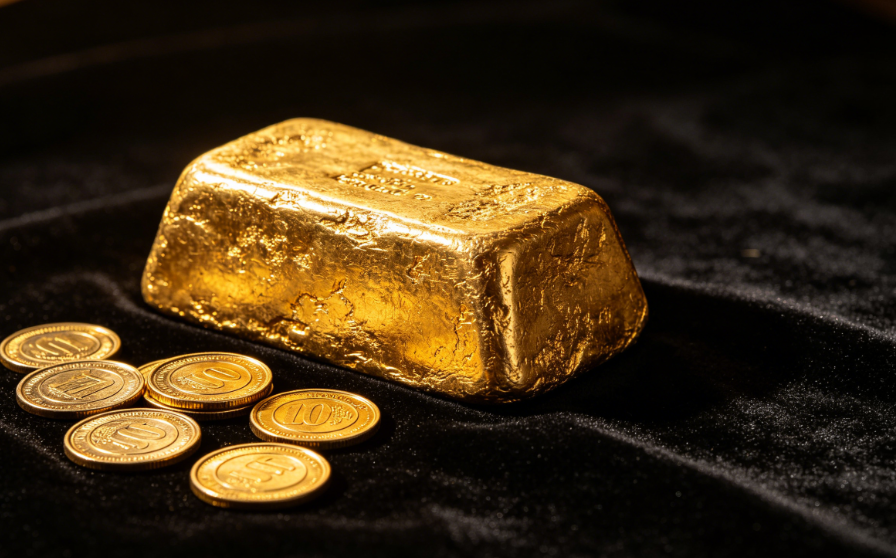
Gold’s enduring value stems from a combination of physical properties that no other metal can replicate. Unlike silver or copper, gold is extremely scarce—only about 200,000 tons of gold have been mined throughout human history, and new discoveries are increasingly rare. This scarcity ensures that gold cannot be easily devalued by overproduction, unlike fiat currencies that can be printed in unlimited quantities, leading to inflation.
Gold is also remarkably durable: it does not rust, corrode, or tarnish, even after centuries of exposure to the elements. This durability means that gold can be passed down through generations, retaining its luster and value indefinitely. Its malleability and ductility further enhance its utility—gold can be stretched into thin wires, hammered into thin sheets, or shaped into intricate designs, making it versatile for both industrial and decorative uses. These unique qualities have made gold a universal symbol of wealth, power, and permanence across every culture.
Gold in Modern Society: From Industry to Culture
While gold is often associated with investment and luxury, its impact on modern life extends far beyond financial portfolios. Its unique physical and chemical properties make it indispensable in a range of critical industries, driving consistent demand and supporting its long-term value:
- Electronics: Gold is an exceptional conductor of electricity and heat, and it does not react with other materials. This makes it essential for manufacturing smartphones, computers, semiconductors, and aerospace components. Even a tiny amount of gold in each device ensures reliable performance and longevity, as it resists corrosion and maintains conductivity over time.
- Healthcare: Gold’s biocompatibility—its ability to interact safely with the human body—makes it a valuable material in medical applications. It is used in surgical instruments, dental implants, and advanced diagnostic tools. Gold nanoparticles are also used in targeted cancer treatments, where they help deliver drugs directly to cancer cells, minimizing side effects.
- Renewable Energy: As the world transitions to clean energy, gold plays a vital role in solar panels and wind turbines. It enhances the efficiency of energy conversion and resists corrosion, making renewable technologies more sustainable and cost-effective. As global demand for clean energy grows, so too does the demand for gold.
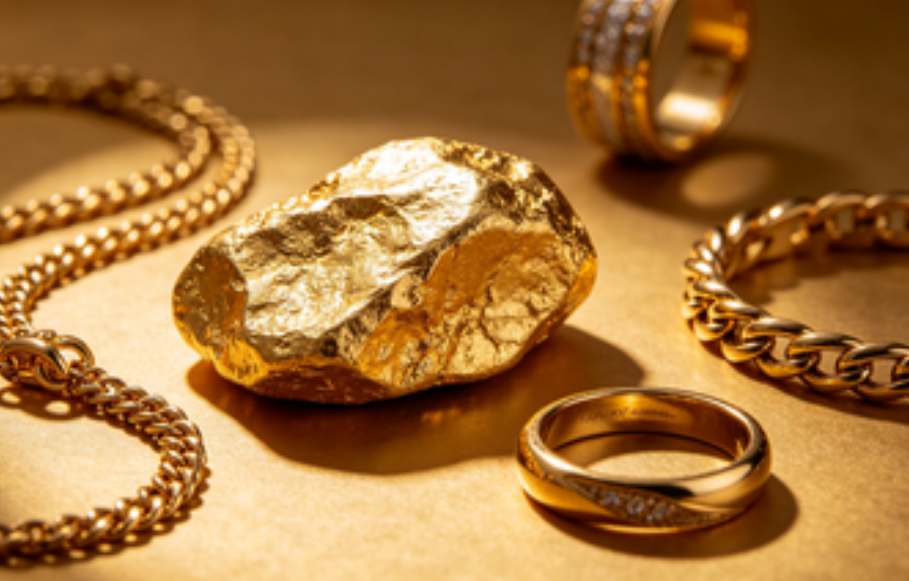
- Cultural and Luxury Uses: Gold remains a beloved choice for jewelry and cultural ceremonies around the world. For many cultures, gold jewelry is not just an accessory but a form of wealth storage, a symbol of love and celebration, and a way to pass down heritage to future generations. From wedding bands to traditional ornaments, gold’s beauty and value make it a timeless gift.
Gold as an Investment: A Safe Haven for Every Investor
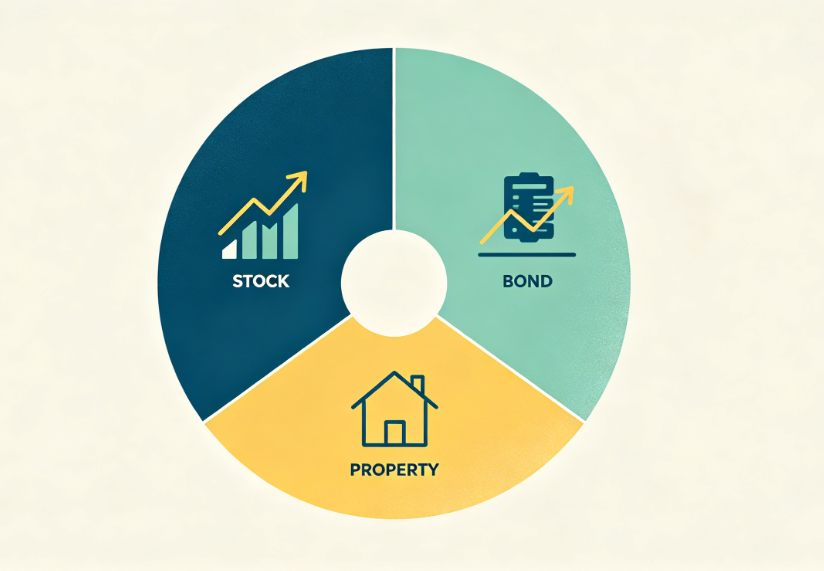
For investors, gold’s greatest strength is its role as a safe haven asset. In times of economic turmoil—whether due to inflation, recessions, geopolitical tensions, or market crashes—gold has consistently maintained its value, while other assets like stocks and bonds often decline. This makes it an essential tool for diversifying portfolios and protecting wealth.
Another key benefit of gold is its low correlation with traditional assets. This means that when stock markets fall, gold prices often rise, creating a balance that reduces overall portfolio risk. For example, during the 2008 financial crisis, gold prices increased by over 25% while global stock markets lost more than 50% of their value. Gold also serves as an effective hedge against inflation, as its value tends to rise when the cost of goods and services increases, preserving the purchasing power of investors’ money.
Accessible Ways to Invest in Gold
Investing in gold does not require a large budget or expert financial knowledge. There are several simple, accessible options that cater to investors of all levels:
1. Gold ETFs (Exchange-Traded Funds)
Gold ETFs are the most convenient and cost-effective way to invest in gold. These funds trade on stock exchanges like individual stocks and track the price of gold, with each share representing a small amount of physical gold. They have low management fees (usually between 0.3% and 0.5% annually), no storage requirements, and high liquidity—meaning you can buy or sell shares at any time during market hours. Popular gold ETFs include SPDR Gold Shares (GLD) and iShares Gold Trust (IAU), which are widely traded and easy to access.
2. Physical Gold
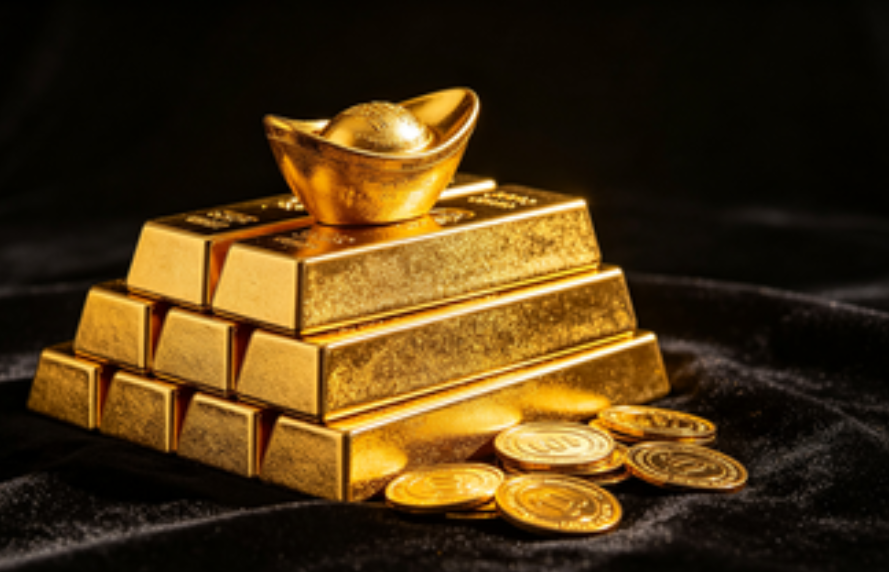
For those who prefer tangible assets, physical gold—such as gold bullion coins and bars—is a great option. Gold coins like the American Eagle, Canadian Maple Leaf, and Australian Kangaroo are easy to buy, verify, and sell. They are available in small denominations (from 1 gram to 1 ounce), making them accessible to investors with any budget. While physical gold requires secure storage (such as a bank safety deposit box or home safe), it has no counterparty risk—its value does not depend on the stability of a bank or financial institution.
3. Gold Mutual Funds
Gold mutual funds are managed by professional fund managers who invest in a variety of gold-related assets, including gold mining stocks, gold futures, and physical gold. These funds are ideal for investors who prefer a hands-off approach, as the manager handles all investment decisions. While they have slightly higher fees than ETFs, they offer diversification across multiple gold-related investments, reducing risk and potentially enhancing returns.
Key Factors That Influence Gold Prices
Understanding the factors that drive gold prices can help investors make informed decisions. The main influences include:
- U.S. Dollar Strength: Gold is priced in U.S. dollars globally. A strong dollar makes gold more expensive for investors using other currencies, reducing demand and lowering prices. A weak dollar, on the other hand, increases demand and pushes gold prices up.
- Geopolitical and Economic Uncertainty: Wars, political instability, recessions, or global crises (like pandemics) increase demand for gold as a safe haven, driving prices higher. Investors turn to gold to protect their wealth when other assets are volatile.
- Interest Rates: Low interest rates make gold more attractive, as it does not pay interest—investors are less likely to choose interest-bearing assets like bonds. High interest rates can reduce demand for gold, as investors seek higher returns from other assets.
- Supply and Demand: Gold’s scarcity means that changes in supply (from mining) or demand (from industry, jewelry, or investors) can significantly impact prices. Increased demand or decreased supply will push prices up, while the opposite will lower them.
Why Gold Will Remain Relevant Tomorrow
In a world where new financial assets and technologies emerge daily, gold’s timeless relevance is a testament to its unique value. It is not just a precious metal—it is a tangible asset that has stood the test of time, a tool that powers modern industry, and a safe haven that protects wealth. Whether you are a beginner investor looking to diversify your portfolio, a professional seeking stability, or someone who values the cultural and historical significance of gold, it offers something for everyone.
Gold’s enduring appeal lies in its ability to adapt to changing times while remaining true to its core value. It bridges the past and the present, offering stability in an uncertain world. By understanding its qualities, applications, and investment options, anyone can harness the power of this precious metal to build a more secure financial future.