Credit Cards: Practical Tools for Modern Finances, Used Wisely
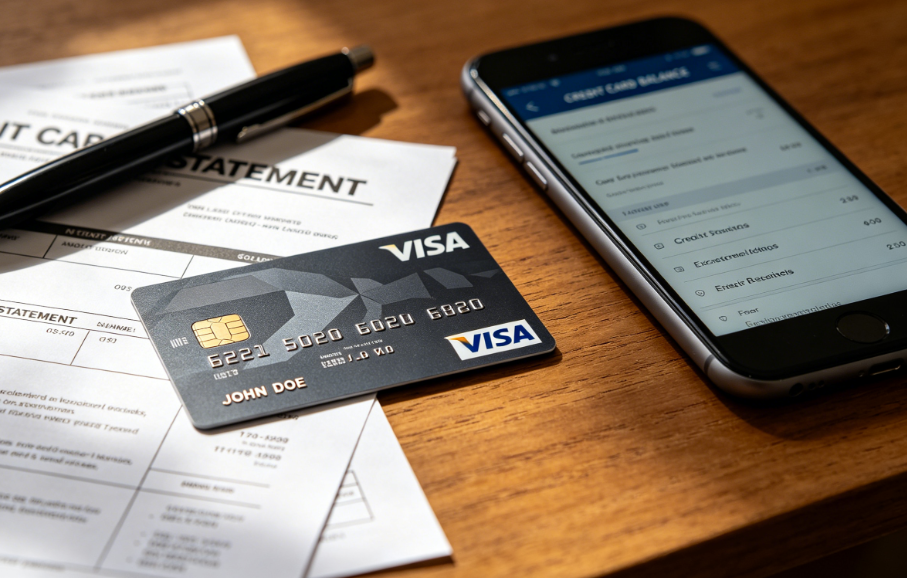
In today’s digital age, credit cards have evolved from a luxury to a necessity, seamlessly integrating into daily life and reshaping how people manage money, make purchases, and plan for their financial future. A credit card is a payment instrument issued by banks, credit unions, or other financial institutions, granting users a pre-approved credit limit to borrow funds for transactions—whether it’s buying groceries, paying utility bills, booking a trip, or covering unexpected expenses—with the commitment to repay the borrowed amount, plus any applicable interest, within a specified billing cycle.
The widespread popularity of credit cards stems from their unmatched convenience and versatility. Unlike cash, which requires carrying physical currency and poses risks of loss or theft, credit cards offer a secure, contactless way to pay both in-store and online, accepted by merchants worldwide. For frequent travelers, credit cards eliminate the hassle of exchanging foreign currency, as most cards support international transactions with competitive exchange rates. Additionally, many credit cards come with practical perks: cashback on everyday spending, reward points redeemable for gifts or travel, extended warranty on purchases, and fraud protection that shields users from unauthorized charges—adding tangible value to routine transactions.
Beyond convenience, credit cards play a pivotal role in building and maintaining a strong credit history, a cornerstone of long-term financial health. Your credit score, a numerical representation of your financial reliability, is influenced by how you use your credit card: paying bills on time, keeping credit utilization (the percentage of your credit limit you use) low (ideally below 30%), and avoiding excessive debt. A good credit score opens doors to better financial opportunities—qualifying for lower interest rates on mortgages and car loans, securing rental agreements, and even accessing credit cards with more favorable terms and higher limits.
Yet, the benefits of credit cards come with a caveat: responsible usage is non-negotiable. The “buy now, pay later” model can easily lead to overspending, as the absence of immediate cash deduction can make spending feel less impactful. Carrying a balance from month to month incurs high interest charges—often significantly higher than other types of loans—which can quickly snowball into unmanageable debt. Late payments not only result in costly late fees but also damage your credit score, a blemish that can take years to repair. To avoid these pitfalls, it’s crucial to track your spending regularly, set a monthly budget, and pay off your full balance whenever possible to avoid interest.
Choosing the right credit card is also key to maximizing its benefits. With a wide range of options available, it’s important to align the card with your lifestyle: frequent travelers may prefer a card with travel rewards and no foreign transaction fees; those who prioritize everyday savings might opt for a cashback card; and individuals looking to build credit could choose a secured credit card with lower limits. Always review the terms and conditions carefully—paying attention to interest rates, annual fees, and reward expiration dates—to ensure the card fits your financial goals.
In conclusion, credit cards are powerful financial tools that offer convenience, security, and the opportunity to build credit when used responsibly. They simplify transactions, provide valuable perks, and support long-term financial planning, but they require discipline and awareness to avoid debt. By understanding how credit cards work, practicing mindful spending, and staying on top of payments, you can leverage their benefits to enhance your financial flexibility and work toward a more secure financial future.