Credit Cards: A Practical Guide to Smart Usage
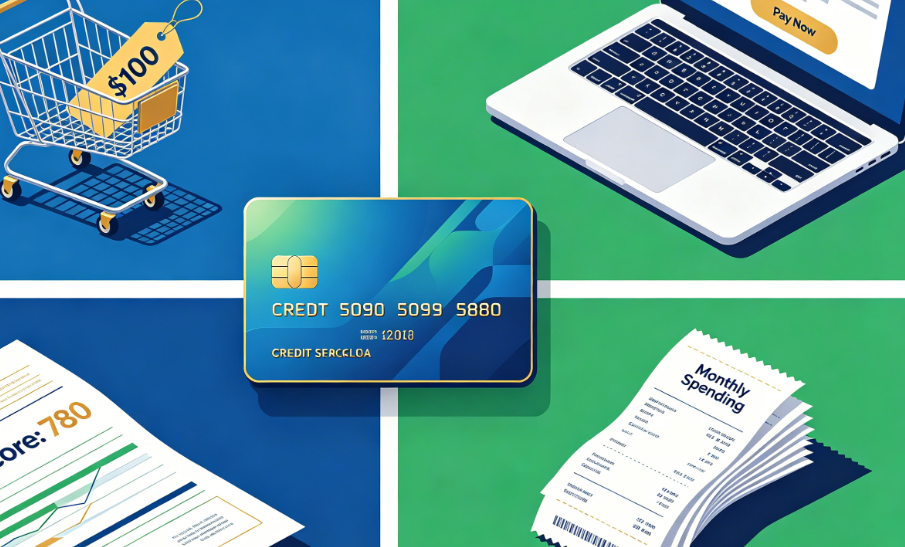
In today’s fast-paced financial world, credit cards have become an essential tool for managing daily expenses, making purchases, and building a solid financial foundation. More than just a convenient payment method, a credit card is a financial product that allows you to borrow money from a financial institution to cover costs, with the agreement to repay the amount plus any applicable interest within a specified period.
One of the key benefits of credit cards is their convenience. Unlike cash, credit cards eliminate the need to carry large sums of money, making transactions safer and more efficient. They are widely accepted at stores, restaurants, hotels, and online platforms around the world, making them ideal for everyday purchases, travel bookings, and emergency expenses. Many credit cards also offer additional perks, such as cashback rewards, travel points, and purchase protection, which add extra value to regular use.
Another important advantage of credit cards is their role in building a credit history. Your credit behavior—including whether you pay bills on time, how much credit you use, and your overall debt management—contributes to your credit score. A good credit score is crucial for future financial endeavors, such as applying for a mortgage, car loan, or even a new credit card with better terms. By using your credit card responsibly and paying off the full balance each month, you can gradually build a positive credit profile.
However, it’s important to use credit cards wisely to avoid financial pitfalls. Overspending beyond your means can lead to accumulating high-interest debt, which can be difficult to repay. Late payments not only result in additional fees but also damage your credit score. To use credit cards responsibly, it’s recommended to track your spending, set a budget, and pay off the full balance each billing cycle to avoid interest charges. It’s also wise to avoid cash advances, as they often come with higher interest rates and additional fees.
Choosing the right credit card is also key to maximizing its benefits. Consider your spending habits: if you travel frequently, a card with travel rewards may be ideal; if you prefer everyday savings, a cashback card could be a better fit. Always read the terms and conditions carefully, including interest rates, annual fees, and reward programs, to ensure the card aligns with your financial goals.
In conclusion, credit cards are powerful financial tools when used responsibly. They offer convenience, flexibility, and the opportunity to build credit, but they also require discipline to avoid debt. By understanding how credit cards work and adopting smart usage habits, you can leverage their benefits to simplify your finances and work toward long-term financial stability.