The Ultimate Guide to Hospital Plastic Surgery: Safety, Options, and What to Expect

Plastic surgery has evolved from a niche procedure to a widely accepted way for people to enhance their appearance, correct physical imperfections, or restore confidence after injury or illness. Hospital-based plastic surgery, performed by board-certified surgeons in a controlled medical environment, offers the highest level of safety and personalized care. This article explores the key aspects of hospital plastic surgery, including common procedures, safety protocols, patient preparation, and post-operative care, helping you make informed decisions about your aesthetic journey.
Hospital plastic surgery encompasses a wide range of procedures, tailored to meet individual needs and goals. From facial enhancements to body contouring, each procedure is designed to address specific concerns while prioritizing patient safety. One of the most popular hospital-based plastic surgery procedures is facial rejuvenation, which includes facelifts, rhinoplasty (nose reshaping), and blepharoplasty (eyelid surgery). Facelifts target sagging skin, wrinkles, and loss of facial volume, restoring a more youthful and refreshed appearance. Rhinoplasty corrects nasal shape, size, or function, whether for cosmetic reasons or to address breathing issues. Blepharoplasty, meanwhile, reduces excess skin around the eyes, eliminating droopy eyelids and under-eye bags for a more alert look.
For body contouring, hospitals offer procedures like liposuction, tummy tucks, and breast augmentation or reduction. Liposuction removes excess fat from problem areas such as the abdomen, thighs, and hips, creating a more balanced silhouette. Tummy tucks tighten abdominal muscles and remove loose skin, often after weight loss or pregnancy. Breast procedures, whether augmenting size, reducing volume, or reconstructing after mastectomy, are performed with precision to achieve natural-looking results that align with the patient’s desired outcome.
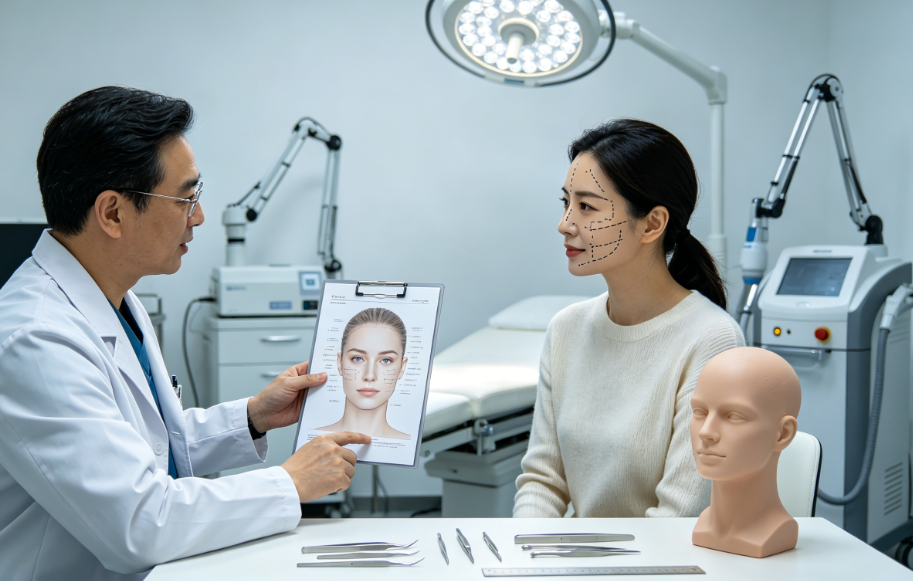
Safety is the cornerstone of hospital plastic surgery. Unlike non-hospital settings, accredited hospitals provide 24/7 medical support, advanced imaging technology, and emergency care, ensuring patients are protected throughout their treatment journey. All procedures are performed by board-certified plastic surgeons who have undergone rigorous training and adhere to strict medical standards. Before any surgery, patients undergo a comprehensive medical evaluation, including blood tests, imaging, and a detailed consultation to discuss goals, risks, and realistic expectations. This thorough pre-operative process helps minimize complications and ensures the procedure is tailored to the patient’s unique anatomy and health status.
Patient preparation is a critical step in the success of any plastic surgery. Prior to the procedure, patients receive detailed instructions on pre-operative care, including avoiding certain medications (such as blood thinners) that may increase bleeding risk, quitting smoking (which impairs healing), and maintaining a healthy diet to support recovery. The hospital team also provides emotional support, addressing any concerns and ensuring patients feel comfortable and informed before going into surgery.
Post-operative care is equally important to ensure optimal healing and results. After surgery, patients are monitored in the hospital’s recovery unit for several hours (or overnight, depending on the procedure) to detect any signs of complications. The medical team provides personalized aftercare instructions, including wound care, pain management, and activity restrictions. Patients are advised to avoid strenuous exercise, heavy lifting, and direct sun exposure during the recovery period, which typically lasts 4-6 weeks. Follow-up appointments are scheduled to monitor healing, remove stitches (if needed), and address any questions or concerns.
It’s important to note that plastic surgery is a personal choice, and realistic expectations are key. While procedures can enhance appearance and boost confidence, they cannot completely transform a person’s features or solve underlying self-esteem issues. A reputable hospital plastic surgery team will always prioritize honest communication, ensuring patients understand the potential risks (such as infection, scarring, or temporary swelling) and the time required for full recovery.
In addition to cosmetic procedures, hospital plastic surgery also includes reconstructive surgery, which helps restore function and appearance after injury, illness, or congenital conditions. Reconstructive procedures, such as breast reconstruction after mastectomy, scar revision, or facial reconstruction after trauma, play a vital role in helping patients regain their quality of life and confidence.
Choosing the right hospital and surgeon is essential for a successful plastic surgery experience. Look for accredited hospitals with dedicated plastic surgery departments, board-certified surgeons, and a track record of safe, effective outcomes. A thorough consultation with the surgeon is the first step—this is where you can discuss your goals, ask questions, and ensure the procedure aligns with your needs.
In summary, hospital plastic surgery offers a safe, reliable way to enhance appearance, correct imperfections, or restore function. With strict safety protocols, personalized care, and a focus on patient well-being, it provides peace of mind and long-lasting results. Whether you’re considering a minor facial procedure or a more complex body contouring surgery, the right hospital and surgical team will guide you through every step, from consultation to recovery, helping you achieve your aesthetic goals with confidence.