Hospital Plastic Surgery: Safety, Procedures, and Your Journey to Confidence
Plastic surgery, when performed in a hospital setting by qualified professionals, is a safe and effective way to enhance one’s appearance, correct physical anomalies, or restore function after injury, illness, or congenital conditions. Unlike aesthetic treatments in non-medical facilities, hospital-based plastic surgery adheres to the highest medical standards, with access to advanced technology, 24/7 medical support, and a team of trained professionals dedicated to patient safety and well-being. This article provides a comprehensive overview of hospital plastic surgery, including common procedures, safety protocols, pre-operative preparation, post-operative care, and key considerations for anyone considering this journey.
Hospital plastic surgery encompasses two primary categories: cosmetic surgery and reconstructive surgery. Cosmetic surgery focuses on enhancing aesthetic appearance, helping patients achieve their desired look and boost self-confidence. Reconstructive surgery, on the other hand, aims to restore function and appearance to body parts affected by trauma, surgery (such as mastectomy), congenital defects, or disease. Both categories are performed in accredited hospitals, ensuring a controlled, sterile environment that minimizes risks and maximizes outcomes.
Common cosmetic plastic surgery procedures performed in hospitals include facial rejuvenation, body contouring, and breast enhancement. Facial procedures such as facelifts, rhinoplasty (nose reshaping), and blepharoplasty (eyelid surgery) target signs of aging or aesthetic concerns. Facelifts address sagging skin, wrinkles, and loss of facial volume, creating a more youthful and natural appearance. Rhinoplasty corrects nasal shape, size, or symmetry, and can also improve breathing function in cases of structural issues. Blepharoplasty removes excess skin and fat around the eyes, reducing droopy eyelids and under-eye bags for a more alert and refreshed look.
Body contouring procedures are another popular choice, including liposuction, abdominoplasty (tummy tuck), and body lifts. Liposuction removes stubborn excess fat from areas like the abdomen, thighs, hips, and arms, sculpting a more balanced and toned silhouette. Tummy tucks tighten loose abdominal muscles and remove excess skin, often recommended after pregnancy or significant weight loss. Body lifts address sagging skin across multiple areas, such as the thighs, buttocks, and abdomen, for a more cohesive and toned appearance.
Breast enhancement procedures, including breast augmentation, reduction, and lift, are also commonly performed in hospitals. Breast augmentation uses implants or fat transfer to increase breast size and improve shape, while breast reduction relieves physical discomfort (such as back pain) caused by large breasts and enhances proportion. Breast lifts address sagging breasts, restoring a more youthful position and shape, often combined with other breast procedures for optimal results.
Safety is the top priority in hospital plastic surgery. Accredited hospitals follow strict medical guidelines, with sterile operating rooms, advanced monitoring equipment, and access to emergency care if needed. All plastic surgeons performing procedures in hospitals are board-certified, meaning they have completed extensive training, passed rigorous exams, and adhere to ethical and professional standards. Before any surgery, patients undergo a comprehensive medical evaluation, including blood tests, imaging studies, and a detailed health history review, to ensure they are healthy enough for the procedure and to identify any potential risks.
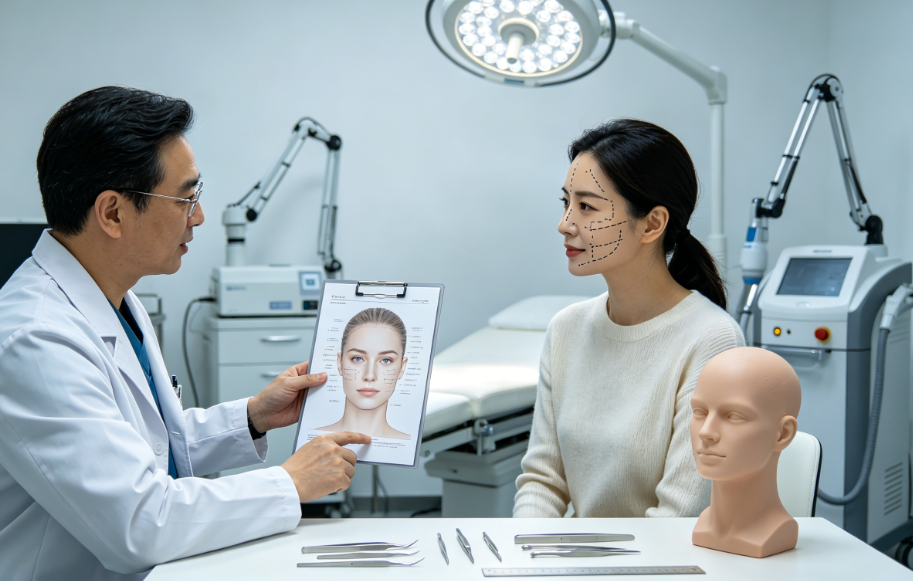
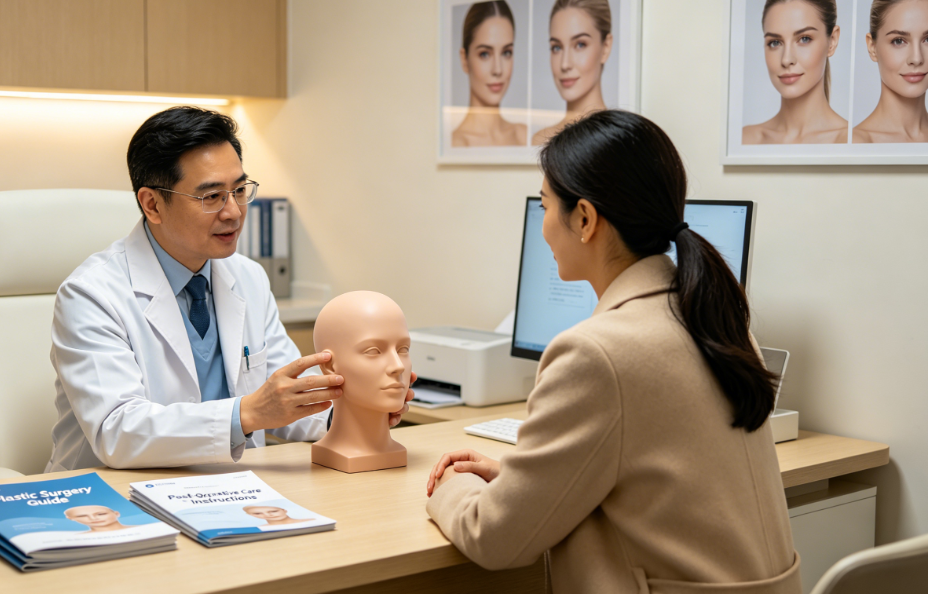
Pre-operative preparation is crucial for a successful surgery and smooth recovery. Patients receive detailed instructions from their surgical team, which may include avoiding certain medications (such as aspirin, ibuprofen, or blood thinners) that can increase bleeding risk, quitting smoking (smoking impairs blood flow and slows healing), and maintaining a healthy diet and hydration to support the body’s recovery process. Additionally, patients have a thorough consultation with their surgeon to discuss their goals, expectations, and any concerns, ensuring both the patient and surgeon are aligned on the desired outcome.
Post-operative care is equally important to ensure optimal healing and results. After surgery, patients are monitored in the hospital’s recovery unit for several hours or overnight, depending on the complexity of the procedure. The medical team closely observes vital signs, manages pain, and checks for any signs of complications, such as infection or bleeding. Patients receive personalized aftercare instructions, including wound care, activity restrictions (avoiding strenuous exercise, heavy lifting, or prolonged sun exposure), and follow-up appointment schedules. It is essential for patients to follow these instructions closely to minimize risks and promote faster healing.
When considering hospital plastic surgery, it is important to choose the right hospital and surgeon. Look for accredited hospitals with a dedicated plastic surgery department, a track record of safe outcomes, and positive patient reviews. The surgeon should be board-certified, have experience in the specific procedure you are considering, and be willing to answer all your questions openly and honestly. A reputable surgical team will prioritize patient education, ensuring you understand the risks, benefits, and recovery process before making a decision.
It is also important to have realistic expectations. Plastic surgery can enhance your appearance and boost your confidence, but it cannot completely transform your features or solve underlying self-esteem issues. The goal of plastic surgery is to help you look and feel your best, not to achieve an unrealistic “perfect” appearance. Your surgeon will work with you to set realistic goals that align with your anatomy and overall well-being.
In conclusion, hospital plastic surgery offers a safe, reliable way to pursue aesthetic or reconstructive goals, with the support of a professional medical team and state-of-the-art facilities. Whether you are considering a minor facial procedure or a more complex reconstructive surgery, the key to a successful experience lies in choosing a qualified surgeon, following pre and post-operative guidelines, and maintaining realistic expectations. With the right care and guidance, hospital plastic surgery can be a transformative journey that helps you feel more confident and comfortable in your own skin.