New House Renovation for Rental: Balance Style, Durability, and Profit

Renovating a new house with the intention of renting it out is a strategic investment that requires careful planning. Unlike renovating a home for personal use, the goal here is to create a space that appeals to a wide range of tenants, withstands regular use, and maximizes your rental income—all while staying within a reasonable budget. Whether you’re a first-time rental property owner or looking to optimize your investment, this guide breaks down the key principles, renovation tips, and considerations for turning a new house into a desirable, profitable rental property.
1. Start with a Rental-Focused Budget and Goals
Before beginning any renovation work, define your budget and rental goals clearly. Your budget should prioritize durability and cost-effectiveness over high-end, personalized finishes—tenants value functionality and cleanliness over luxury, so avoid overspending on items that won’t increase rental value. Allocate 10–15% of your budget for unexpected expenses, such as supply delays or last-minute adjustments, to prevent budget overruns.
Set realistic rental goals: Research the local rental market to determine the average rent for similar properties in your area. This will help you decide on the scope of renovation—investing in key upgrades that will allow you to charge a competitive rent without over-improving the property. For example, if the local market demands updated kitchens and bathrooms, focus your budget on these areas rather than expensive landscaping or custom features.
2. Prioritize Durability and Low-Maintenance Materials
Rental properties see regular turnover, so durability and low maintenance are non-negotiable when choosing materials. Opt for products that can withstand frequent use, easy cleaning, and minor wear and tear—this will reduce your maintenance costs and keep the property looking new for longer. Here are key material choices for rental renovations:
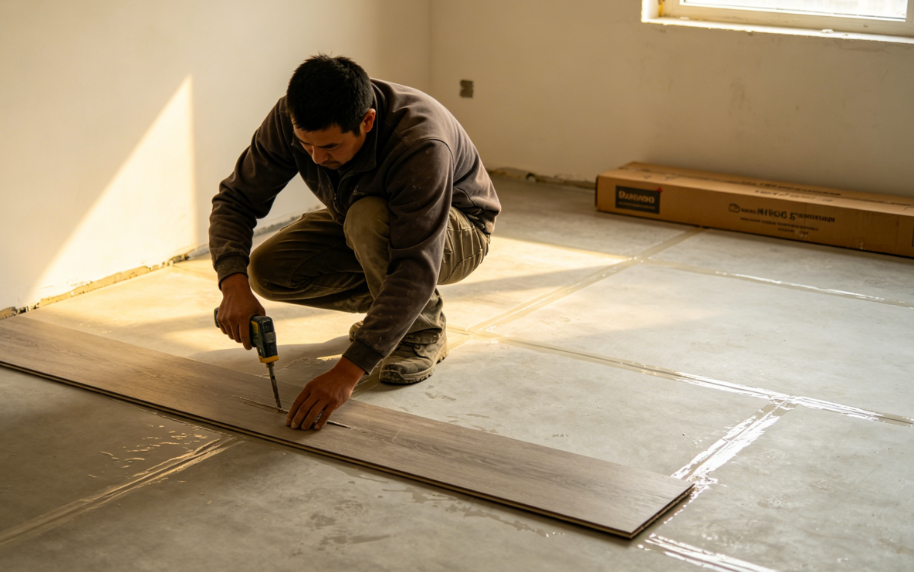
- Flooring: Choose scratch-resistant, water-resistant, and easy-to-clean options like luxury vinyl plank (LVP), ceramic tile, or laminate. These materials are affordable, durable, and require minimal upkeep—perfect for high-traffic areas like living rooms, kitchens, and bathrooms. Avoid carpet in high-traffic areas, as it stains easily and needs frequent replacement; if you use carpet (e.g., in bedrooms), opt for low-pile, stain-resistant varieties.
- Countertops: Quartz is an ideal choice for rental kitchens and bathrooms. It’s stain-resistant, scratch-resistant, and requires no sealing, making it low-maintenance for both you and your tenants. Laminate is another budget-friendly option that mimics the look of stone or wood, while being easy to clean and replace if needed.
- Paint: Use high-quality, washable, semi-gloss or satin paint for walls and trim. Neutral tones (gray, beige, white) are versatile, appeal to most tenants, and hide minor scuffs and stains. Avoid bold colors or personalized finishes, as they may deter potential renters.
- Fixtures: Choose simple, durable fixtures that are easy to replace. For faucets, light fixtures, and cabinet hardware, opt for classic designs in neutral finishes (chrome, brushed nickel) that won’t go out of style. Energy-efficient fixtures (e.g., LED lights, low-flow faucets) are also a plus—they reduce utility costs for tenants and make the property more attractive.
3. Design for Functionality and Broad Appeal
When renovating a new house for rental, design with broad appeal in mind. Avoid overly personalized or trendy designs that may limit your tenant pool. Instead, focus on creating a functional, comfortable space that works for a variety of lifestyles—singles, couples, or small families.
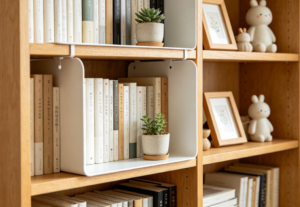
Key functional elements to prioritize: Storage: Tenants value storage space, so include plenty of cabinets, drawers, and closet space in kitchens, bathrooms, and bedrooms. Built-in shelves or under-cabinet storage can maximize space without adding significant cost.Layout: Keep the layout open and flowy, if possible. Open-concept kitchens and living areas are popular among tenants, as they create a spacious feel and are great for entertaining. Ensure bedrooms are private and well-lit, and bathrooms are functional with adequate counter space and storage.Lighting: Good lighting is essential for a rental property. Install ample overhead lighting in all rooms, and add task lighting in kitchens and home offices. Natural light is also a big selling point—keep windows unobstructed and use light-colored window treatments to let in as much sunlight as possible.4. Focus on High-Impact, Low-Cost UpgradesTo maximize your return on investment, focus on high-impact, low-cost upgrades that will make the property more attractive to tenants without breaking the bank. These upgrades include:Fresh Paint: A fresh coat of neutral paint is one of the most cost-effective ways to refresh a space and make it feel clean and new.Updated Fixtures: Replacing outdated faucets, light fixtures, and cabinet hardware can instantly modernize a room without a large investment.Kitchen Updates: You don’t need a full kitchen remodel—painting cabinets, replacing hardware, or updating the backsplash can make a big difference at a fraction of the cost.Bathroom Refresh: New shower curtains, towel bars, and a fresh coat of paint can make a bathroom feel clean and updated. Consider replacing an old vanity or toilet if it’s outdated or inefficient.5. Ensure Compliance with Local Laws and Safety StandardsWhen renovating a rental property, it’s crucial to comply with local building codes and safety standards. This not only protects your tenants but also avoids fines and legal issues down the line. Key safety considerations include: Installing smoke detectors and carbon monoxide detectors in every bedroom and common area.Ensuring all electrical work is done by a licensed professional and meets local codes.Installing secure locks on all doors and windows.Making sure the property is accessible (if required by local laws) and free of hazards like exposed wires or loose flooring.Additionally, check local laws regarding rental properties—some areas require inspections or permits before renting out a property.
6. Prepare the Property for Renting
Once the renovation is complete, take the necessary steps to prepare the property for tenants: Deep Clean: Conduct a thorough deep clean of the entire property, including floors, walls, windows, and appliances. A clean property makes a great first impression and attracts responsible tenants.Stage the Space: Simple staging can help tenants visualize themselves living in the space. Add basic furniture, decor, and linens to highlight the property’s best features. You don’t need to spend a lot—even a few plants, throw pillows, and artwork can make the space feel welcoming.Document the Condition: Take photos and videos of the property before any tenants move in. This will help you track any damage and avoid disputes when the tenant moves out.Set Up Utilities: Ensure all utilities (water, electricity, gas, internet) are set up and in working order. Decide whether you will cover some utilities in the rent or have tenants pay for them separately—this should be clearly stated in the lease.ConclusionRenovating a new house for rental is all about balancing style, durability, and profit. By focusing on a rental-focused budget, choosing low-maintenance materials, designing for broad appeal, and complying with safety standards, you can create a desirable rental property that attracts responsible tenants and maximizes your income. Remember, the goal is to create a space that is functional, clean, and appealing to the widest possible tenant pool—this will ensure consistent rental income and minimize maintenance costs over time. With careful planning and smart renovation choices, your new house can become a successful, profitable rental investment.