Medical Aesthetics and Plastic Surgery: Embrace Your Best Self Safely
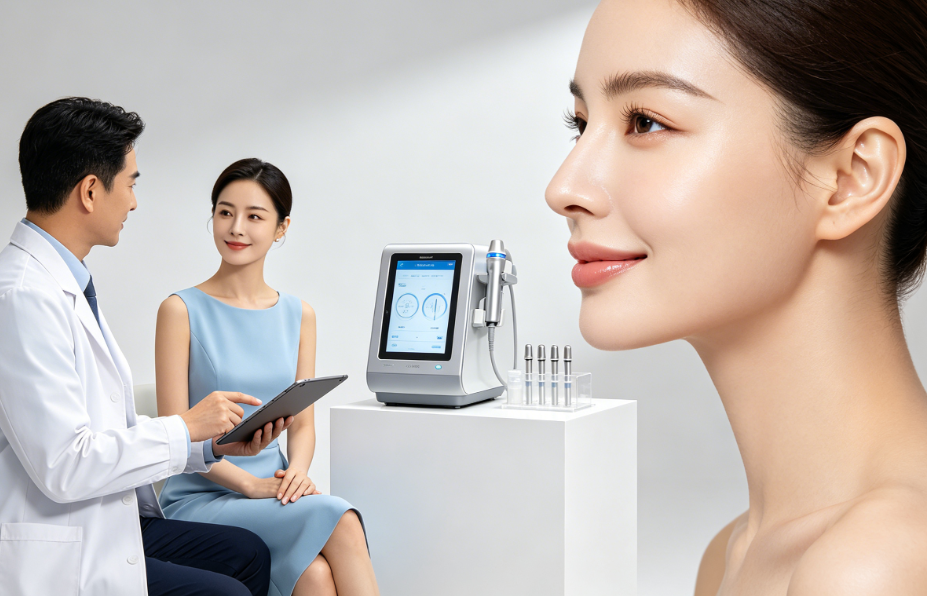
In the modern world, the pursuit of beauty has evolved beyond simple skincare routines—medical aesthetics and plastic surgery have become accessible, science-backed ways to enhance one’s natural features, correct imperfections, and boost confidence. Unlike traditional beauty treatments, these procedures are rooted in medical expertise, combining advanced technology with personalized care to help people look and feel their best, without compromising safety or authenticity.
Medical aesthetics and plastic surgery, while often linked, serve different needs. Medical aesthetics focuses on non-invasive or minimally invasive procedures that require little to no downtime, making them ideal for those seeking subtle improvements. The most popular treatments in this category include Botox, dermal fillers, laser skin rejuvenation, and chemical peels. Botox temporarily relaxes facial muscles to reduce fine lines and wrinkles, while dermal fillers add volume to hollow areas—such as sunken cheeks or thin lips—restoring a youthful plumpness. Laser treatments target skin concerns like hyperpigmentation, acne scars, and unwanted hair, using precise light energy to renew the skin’s appearance. Chemical peels, meanwhile, exfoliate dead skin cells, unclog pores, and brighten the complexion, leaving the skin looking fresh and radiant.
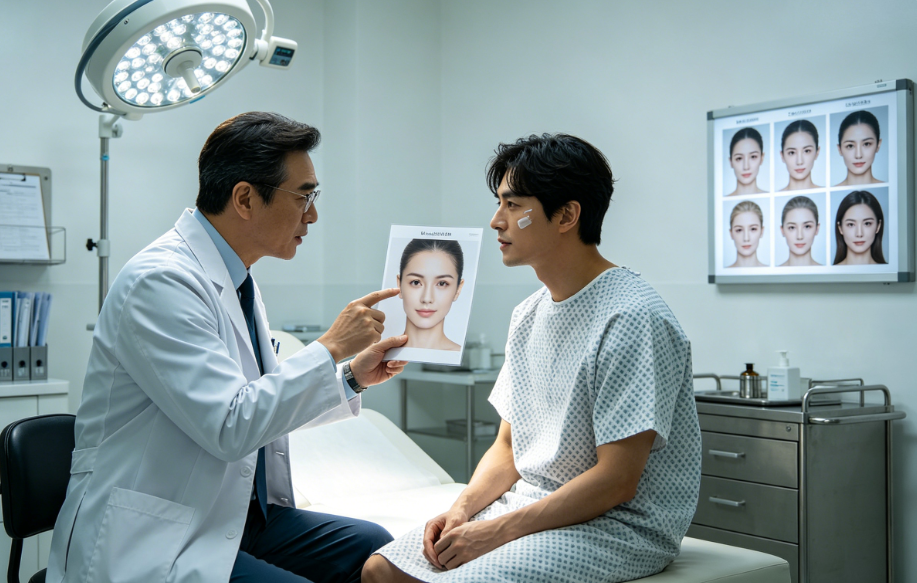
Plastic surgery, on the other hand, involves more invasive procedures that alter the structure of the body or face to address larger concerns. Common surgical procedures include rhinoplasty (nose reshaping), breast augmentation or reduction, facelifts, and liposuction. These treatments are designed to correct structural issues, restore facial balance, or reshape body contours, delivering long-lasting results. For example, rhinoplasty can fix a deviated septum while enhancing the nose’s symmetry, while a facelift tightens sagging skin and smooths deep wrinkles, turning back the clock on aging.
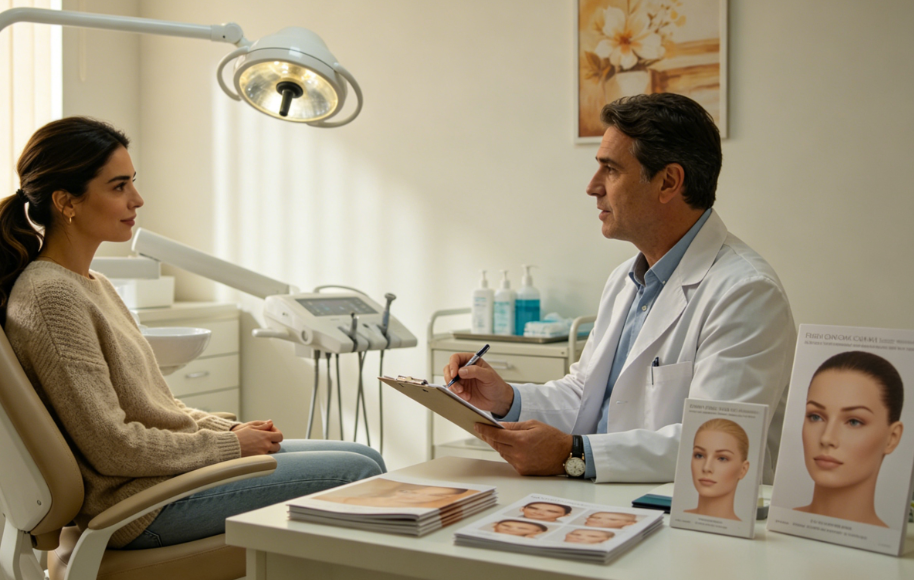
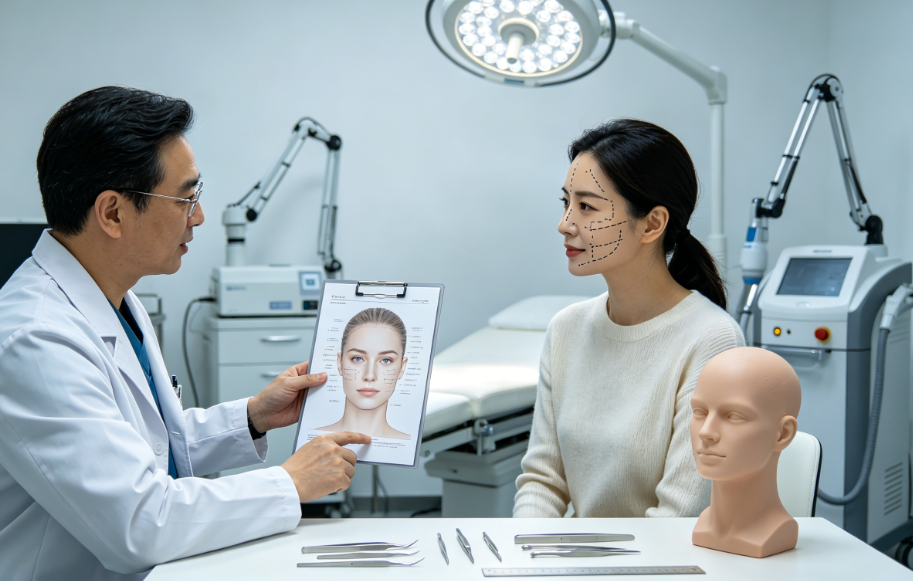
Safety is the cornerstone of both medical aesthetics and plastic surgery. Any procedure, whether non-invasive or surgical, should be performed by a licensed medical professional—such as a dermatologist, plastic surgeon, or certified aesthetician—who has specialized training and experience. Before any treatment, a thorough consultation is essential: the provider will assess the patient’s medical history, discuss their goals, and recommend the most suitable procedure, ensuring that the results align with the individual’s natural features. This personalized approach prevents overcorrection and ensures a natural, authentic look.
Managing expectations is also key to a positive experience. These procedures are not about “changing” who you are, but about enhancing your best qualities. Results take time—non-invasive treatments may require multiple sessions to achieve the desired effect, while surgical procedures involve a recovery period. Patience is crucial, as the skin and body need time to heal and adapt. Additionally, proper aftercare—such as avoiding sun exposure, following a gentle skincare routine, or resting after surgery—is vital to ensure optimal results and minimize complications.
The field of medical aesthetics and plastic surgery is constantly evolving, driven by technological advancements and a growing focus on patient-centered care. New techniques, such as minimally invasive facelifts and advanced injectable formulas, are making procedures safer, less painful, and more natural-looking than ever before. There is also a growing shift toward “natural beauty”—patients and providers alike prioritize results that enhance rather than alter one’s unique features, celebrating individuality.
Beyond the physical changes, these treatments often have a profound impact on mental and emotional well-being. For many people, addressing a long-standing insecurity—whether a scar, uneven features, or signs of aging—can boost self-esteem, reduce anxiety, and improve overall quality of life. It is not about “fixing” flaws, but about feeling confident and comfortable in your own skin.
In conclusion, medical aesthetics and plastic surgery offer safe, effective ways to enhance natural beauty, correct imperfections, and embrace your best self. Whether you choose a non-invasive laser treatment, injectables, or a surgical procedure, the key is to work with a trusted, qualified professional, set realistic goals, and prioritize your health and safety. With the right approach, these treatments can help you look and feel confident, authentic, and proud of the skin you’re in.