Banish Dark Spots: A Comprehensive Guide to Safe and Effective Hyperpigmentation Treatment
Dark spots, clinically known as hyperpigmentation, are a ubiquitous skin concern that affects individuals of all skin types, ages, and ethnicities. These discolored patches—ranging from soft tan to deep brown or even black—form when the skin’s melanocytes (pigment-producing cells) overproduce melanin, the substance responsible for skin, hair, and eye color. While entirely harmless, dark spots can leave the complexion looking uneven, dull, and prematurely aged, often eroding confidence and prompting a search for effective solutions. The good news is that with science-backed strategies, targeted treatments, and consistent care, hyperpigmentation can be faded, and future spots can be prevented—all without compromising the skin’s health or natural tone. This article explores the causes of dark spots, safe and proven treatment methods, and essential habits to maintain a clear, even complexion.
To effectively tackle dark spots, it’s critical to first understand their root causes. The most common trigger is unprotected sun exposure: UV rays penetrate the skin, stimulating melanocytes to produce excess melanin as a defense mechanism, leading to sun spots (also called age spots or liver spots) on areas frequently exposed to sunlight—think the face, hands, neck, shoulders, and décolletage. Another prevalent cause is post-inflammatory hyperpigmentation (PIH), which develops after the skin is irritated, injured, or inflamed. This includes acne scars, cuts, burns, insect bites, or even harsh skincare products that cause redness or peeling; the skin’s healing process triggers excess melanin production, leaving behind discolored marks. Hormonal fluctuations can also lead to melasma, a type of hyperpigmentation characterized by large, patchy dark spots—often on the cheeks, forehead, and upper lip—common during pregnancy, while taking birth control, or during menopause. Genetic predisposition, certain medications, and environmental pollutants can also contribute to uneven melanin distribution.
The single most important step in both treating and preventing dark spots is rigorous sun protection. Without consistent sun care, even the most effective treatments will fail, as UV rays will continue to stimulate melanin production and darken existing spots. Incorporate a broad-spectrum sunscreen with an SPF of 30 or higher into your daily routine—apply it generously every morning, even on cloudy days, as UV rays can penetrate cloud cover. Reapply every 2 hours when outdoors, and complement sunscreen with physical protection: wide-brimmed hats, sunglasses, and long-sleeved clothing to minimize direct sun contact. This simple yet powerful habit not only prevents new dark spots from forming but also helps fade existing ones by halting further pigmentation.
For mild to moderate dark spots, over-the-counter (OTC) products can deliver noticeable results when used consistently. Look for formulations with active ingredients that target melanin production, break down existing pigment, and brighten the skin. Vitamin C (ascorbic acid) is a standout antioxidant: it inhibits tyrosinase, the enzyme that triggers melanin production, fades existing dark spots, and boosts collagen to improve skin texture and radiance. Niacinamide (vitamin B3) is another gentle yet effective option—it regulates melanin transfer to skin cells, strengthens the skin’s barrier, and reduces redness, making it ideal for sensitive or acne-prone skin. Alpha arbutin, a natural derivative of bearberry extract, works by blocking melanin production without irritation, while kojic acid (derived from mushrooms) fades hyperpigmentation and is particularly effective for sun spots and PIH. Tranexamic acid is a game-changer for hormonal hyperpigmentation like melasma, reducing the intensity of patchy dark spots with consistent use. Remember: results take time—most OTC products require 6-8 weeks of daily use to show visible improvement, and starting with low concentrations can help avoid skin irritation.
Gentle exfoliation is another key component of a dark spot treatment routine. Dead skin cells accumulate on the skin’s surface, trapping melanin and making dark spots appear more prominent. Exfoliation sloughs off these dead cells, revealing fresher, brighter skin underneath and allowing spot-fading ingredients to penetrate more deeply. Opt for chemical exfoliants over harsh physical scrubs, as they are gentler on the skin and less likely to cause micro-tears or irritation. Alpha hydroxy acids (AHAs), such as glycolic acid and lactic acid, exfoliate the skin’s surface, while beta hydroxy acids (BHAs), like salicylic acid, penetrate pores to unclog them and reduce inflammation. Aim to exfoliate 2-3 times per week, adjusting based on your skin’s sensitivity to avoid over-exfoliation, which can damage the skin’s barrier and trigger more pigmentation.
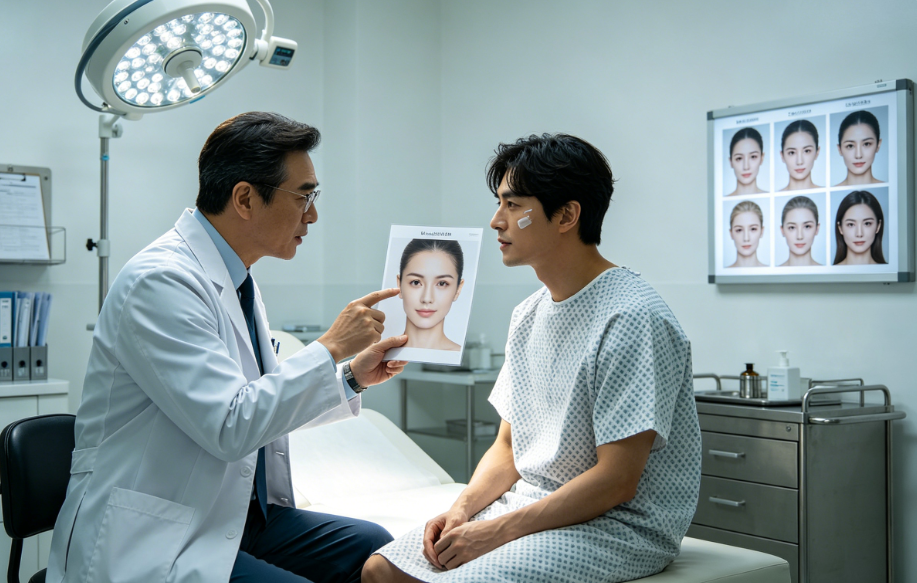
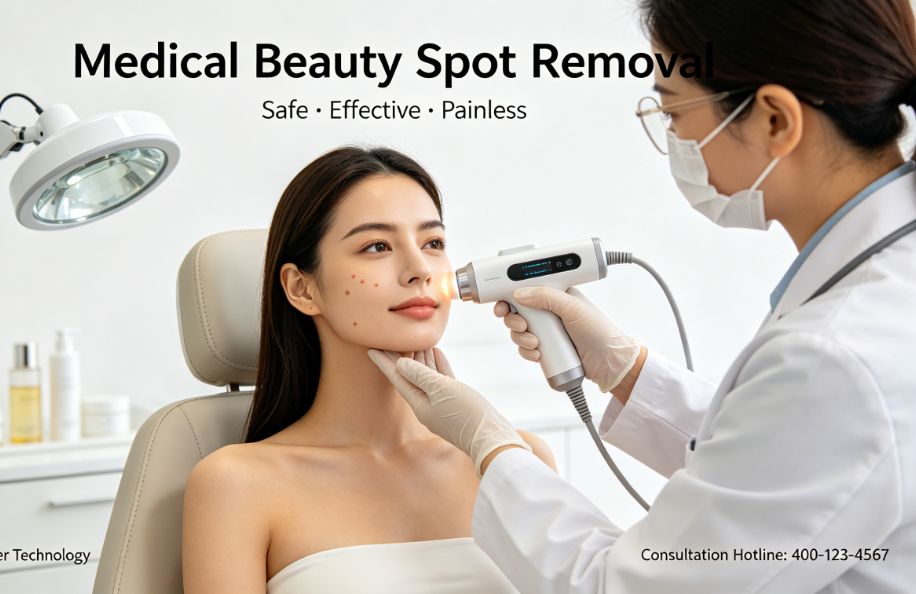
For stubborn or severe dark spots—such as deep sun spots, old acne scars, or melasma that doesn’t respond to OTC products—consulting a licensed dermatologist is recommended. Dermatologists offer targeted, safe treatments that deliver faster, more dramatic results. Laser therapy uses focused light energy to break down melanin deposits in the skin, targeting dark spots without damaging surrounding tissue; it’s particularly effective for sun spots and PIH. Chemical peels, ranging from mild to medium depth, use controlled chemical solutions to exfoliate damaged, pigmented skin layers and stimulate the growth of new, even-toned skin. Intense Pulsed Light (IPL) therapy uses broad-spectrum light to target both melanin and blood vessels, reducing dark spots and improving overall skin radiance. For severe melasma, dermatologists may prescribe prescription-strength ingredients like hydroquinone (in regulated concentrations) or retinoids to accelerate spot fading.
It’s crucial to avoid harmful practices that can worsen dark spots or damage the skin. Steer clear of products containing unlisted ingredients, high concentrations of hydroquinone (above 2%), mercury, or steroids—these can cause skin thinning, irritation, redness, and long-term damage. Avoid picking at or scratching dark spots, as this can lead to further inflammation and PIH, making the spots darker and harder to remove. Overusing harsh exfoliants or spot treatments can also irritate the skin, triggering more melanin production. Additionally, be mindful of skincare products with fragrances or alcohol, which can dry out the skin and exacerbate sensitivity.
Lifestyle habits play a significant role in supporting dark spot treatment and prevention. Staying hydrated keeps the skin plump, radiant, and better able to repair itself, while a diet rich in antioxidants—such as berries, leafy greens, nuts, and citrus fruits—helps protect the skin from free radical damage, which contributes to hyperpigmentation. Getting 7-8 hours of quality sleep each night allows the skin to repair and regenerate, reducing discoloration and improving overall tone. Managing stress through practices like meditation, yoga, or regular exercise also helps, as stress hormones can trigger hormonal fluctuations that lead to excess melanin production.
In conclusion, dark spots are a manageable skin concern with the right approach. By prioritizing sun protection, using gentle, targeted ingredients, incorporating mild exfoliation, and seeking professional help for stubborn spots, you can fade discoloration and achieve an even, radiant complexion. Remember, spot removal is a gradual process—results won’t appear overnight, but with consistency and care, you’ll notice a brighter, more uniform skin tone over time. The goal of dark spot treatment is not to change your natural skin color, but to enhance its health, reduce uneven pigmentation, and let your skin’s natural glow shine through. With patience and the right strategies, you can enjoy clear, spot-free skin that feels healthy and confident.