Home Renovation Design: Building Your Dream Space with Purpose and Style
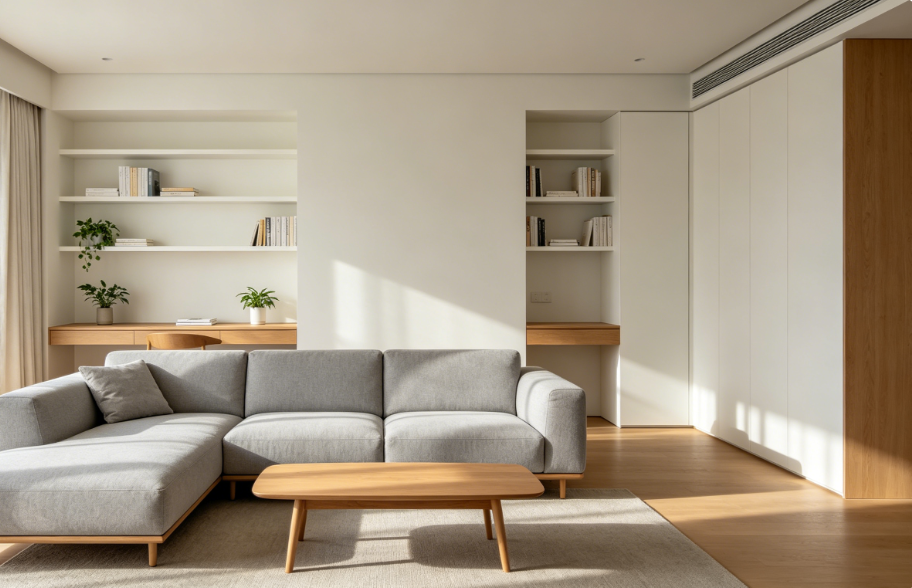
Embarking on a home renovation design project is an exciting journey that transforms a house into a personalized sanctuary. Whether you’re updating a single room or renovating your entire home, the process blends creativity, practicality, and careful planning to create a space that aligns with your lifestyle, taste, and long-term needs. Unlike simple decor changes, home renovation design involves intentional choices about layout, materials, lighting, and functionality—all working together to enhance comfort, boost functionality, and reflect your unique personality. This guide explores the core principles and key steps to help you navigate the renovation process with confidence, ensuring your vision becomes a reality.
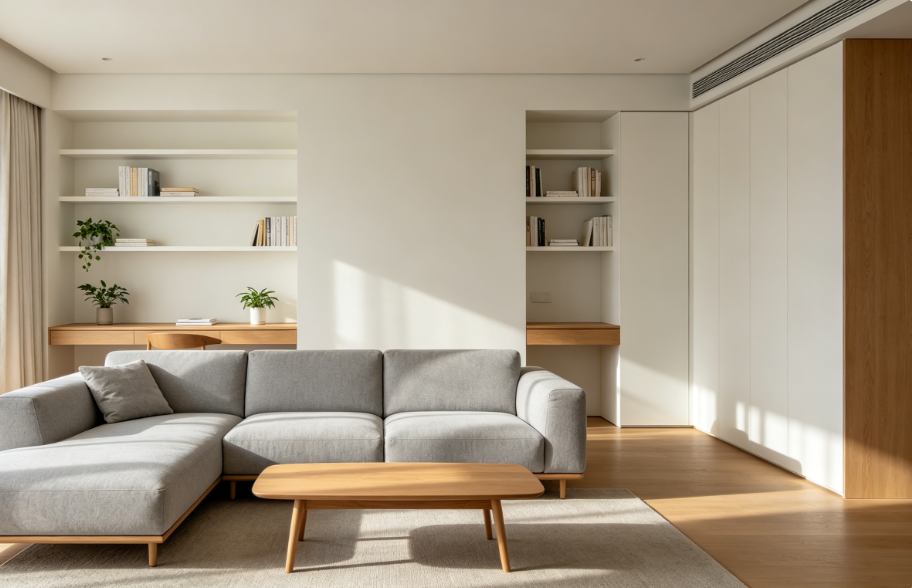
Define Your Vision and Goals: Start with Clarity
The foundation of any successful home renovation design is a clear vision. Before selecting paint colors or furniture, take time to answer critical questions:
- How do you use your home daily? (e.g., hosting guests, working from home, raising children)
- What are your non-negotiable priorities? (e.g., more storage, open-concept living, energy efficiency)
- What style resonates with you? (modern minimalism, cozy rustic, classic traditional, eclectic bohemian, etc.)
Creating a mood board—a collection of photos, fabric swatches, color palettes, and decor inspiration—helps you refine your vision and communicate it clearly to designers or contractors. This step ensures your renovation aligns with your lifestyle, avoiding costly revisions later. For example, a family with kids might prioritize durable, easy-to-clean materials and a playroom, while a remote worker might focus on a bright, quiet home office.
Plan the Layout: Balance Flow and Functionality
The layout of your home dictates how you move through space and impacts daily functionality. A well-designed layout promotes seamless flow while addressing your unique needs:
- Open-concept designs are ideal for social households, combining living, dining, and kitchen areas for connectivity. They work well in larger homes but can be adapted to smaller spaces with strategic partitioning.
- Closed-off rooms offer privacy for bedrooms, home offices, or media rooms, perfect for those who need quiet or dedicated spaces.
- Storage solutions are non-negotiable: incorporate built-in shelves, walk-in closets, under-stair storage, or hidden cabinets to reduce clutter and maintain a tidy aesthetic.
For kitchen renovations, prioritize the work triangle (sink, stove, refrigerator) to streamline meal prep. In bathrooms, focus on accessibility and organization—add floating vanities, linen storage, or walk-in showers to enhance functionality.
Choose Materials Wisely: Durability Meets Aesthetics
Material selection is a balancing act between beauty, durability, and budget. High-traffic areas (kitchens, bathrooms) demand hardwearing, low-maintenance options, while living spaces can incorporate softer textures for warmth:
- Kitchens: Opt for quartz or granite countertops (stain-resistant, scratch-proof), vinyl or ceramic flooring (waterproof, easy to clean), and stainless steel appliances (timeless and durable).
- Bathrooms: Use moisture-resistant tiles (wall/flooring), solid-surface vanities, and tempered glass for shower enclosures to withstand humidity.
- Living areas: Add warmth with hardwood flooring, wool rugs, and linen upholstery. Mix textures—rough stone, smooth metal, soft textiles—to create depth and visual interest.
Sustainability is also key: choose eco-friendly materials like reclaimed wood, low-VOC paint (reduces harmful fumes), and energy-efficient windows to lower your carbon footprint and increase home value.
Master Lighting: Set the Mood and Maximize Brightness
Lighting transforms a space—brightening dark corners, creating ambiance, and highlighting architectural features. A layered lighting approach ensures functionality and mood:
- Natural light: Maximize it with large windows, skylights, or glass doors. Light-colored walls and sheer curtains reflect sunlight, making rooms feel airy and spacious.
- Artificial light: Combine three types of lighting for versatility:
- Ambient lighting: Ceiling fixtures, chandeliers, or recessed lights provide overall illumination.
- Task lighting: Desk lamps, under-cabinet lights, or vanity lights support specific activities (reading, cooking, grooming).
- Accent lighting: Wall sconces, spotlights, or string lights highlight artwork, decor, or focal points (e.g., a fireplace).
Warm white LED bulbs create a cozy, inviting glow, while cool white bulbs work well in workspaces or bathrooms. Dimmers allow you to adjust brightness for different occasions, from entertaining to relaxing.
Select a Style That Reflects Your Personality
Your home’s style should feel authentic and livable—avoid chasing fleeting trends. Here are popular options to consider:
- Modern Minimalism: Clean lines, neutral color palettes (grays, whites, beiges), and clutter-free spaces. Perfect for those who value simplicity and calm.
- Rustic Charm: Natural materials (reclaimed wood, stone), earthy tones (terracotta, sage, oak), and vintage accents. Ideal for creating a warm, welcoming vibe.
- Classic Traditional: Elegant furniture, rich fabrics (velvet, silk), and soft color palettes (cream, navy, burgundy). Timeless and sophisticated.
- Bohemian Eclectic: Bold colors, mixed patterns, global decor, and lush plants. Great for creative souls who love a free-spirited, personalized look.
Regardless of style, maintain cohesion—ensure elements like color palettes, furniture styles, and textures flow seamlessly between rooms to create a unified home.
Hire Professionals or DIY: Know Your Limits
Renovation projects range from simple (painting, installing new fixtures) to complex (electrical work, structural changes). Decide whether to tackle tasks yourself or hire experts:
- DIY-friendly tasks: Painting walls, assembling furniture, installing light fixtures, or rearranging decor. Great for saving money on simple updates.
- Hire professionals for: Electrical/plumbing work, structural modifications, kitchen/bathroom renovations, or large-scale overhauls. Licensed contractors have the expertise, tools, and insurance to ensure safety and compliance with local building codes.
When hiring, vet candidates thoroughly: check reviews, ask for referrals, and request detailed quotes. Sign a contract outlining scope, timeline, payment terms, and warranties to avoid misunderstandings.
Add Personal Touches: Make It Feel Like Home
The final step is infusing your personality into the space. Small details turn a renovated house into a home:
- Decor: Hang family photos, artwork, or travel souvenirs. Add throw pillows, blankets, and plants to bring warmth and life to rooms.
- Furniture: Choose pieces that balance style and functionality—e.g., a sofa that’s comfortable for lounging but durable enough for kids, or a coffee table with built-in storage.
- Textiles: Curtains, rugs, and cushions add texture and color. Coordinate them with your color palette to create a cohesive look.
Avoid overdecorating—leave room for “negative space” to keep the space feeling calm and uncluttered.
Navigate the Renovation Process: Stay Organized and Flexible
A successful renovation requires careful planning and adaptability:
- Set a budget: Allocate funds for materials, labor, permits, and a 10–15% contingency fund for unexpected issues (e.g., hidden water damage).
- Obtain permits: Check local regulations—some renovations (e.g., structural changes) require official approval to avoid fines.
- Communicate regularly: Stay in touch with contractors to track progress, address concerns, and adjust plans if needed.
- Prepare for disruption: Renovations can be messy and time-consuming. Plan for temporary relocation if necessary, or protect furniture and belongings with dust covers.
Conclusion: Create a Space That Grows With You
Home renovation design is about more than updating a space—it’s about creating a home that supports your life, brings you joy, and evolves with you. By defining your vision, prioritizing functionality, selecting durable materials, and infusing your unique style, you can transform your house into a sanctuary that feels truly yours. Whether you’re undertaking a small update or a full renovation, remember that the best designs balance beauty with practicality. With patience, planning, and attention to detail, your dream home is within reach.