Interior Design: Elevate Your Space with Style and Functionality
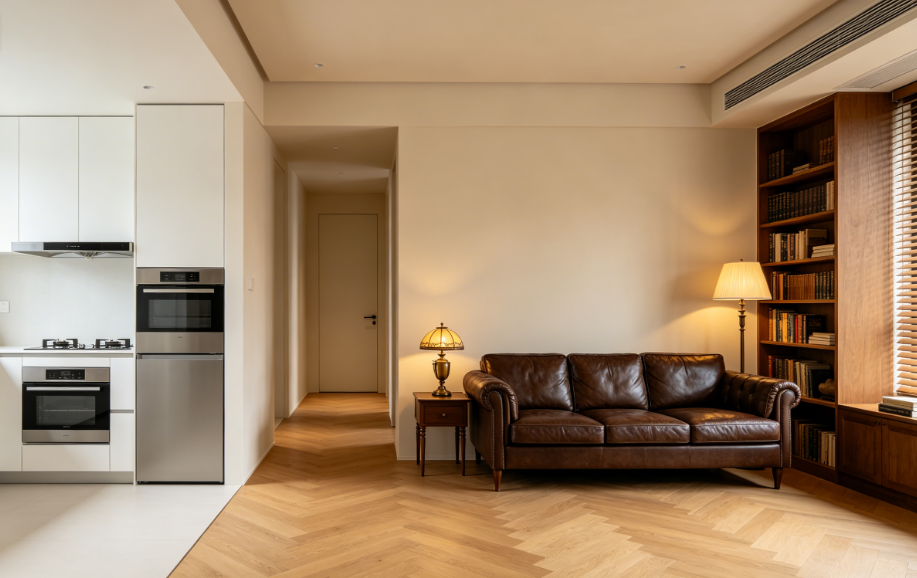
Interior design is the art and science of enhancing the interior of a space to achieve a healthier and more aesthetically pleasing environment for the people who use it. It goes far beyond mere decoration; it involves balancing beauty with practicality, personal taste with functionality, and creating a space that truly feels like a reflection of those who live or work there. Whether you’re designing a new home, renovating an existing space, or simply updating a single room, understanding the key principles of interior design can help you create a space that is both visually stunning and genuinely livable.
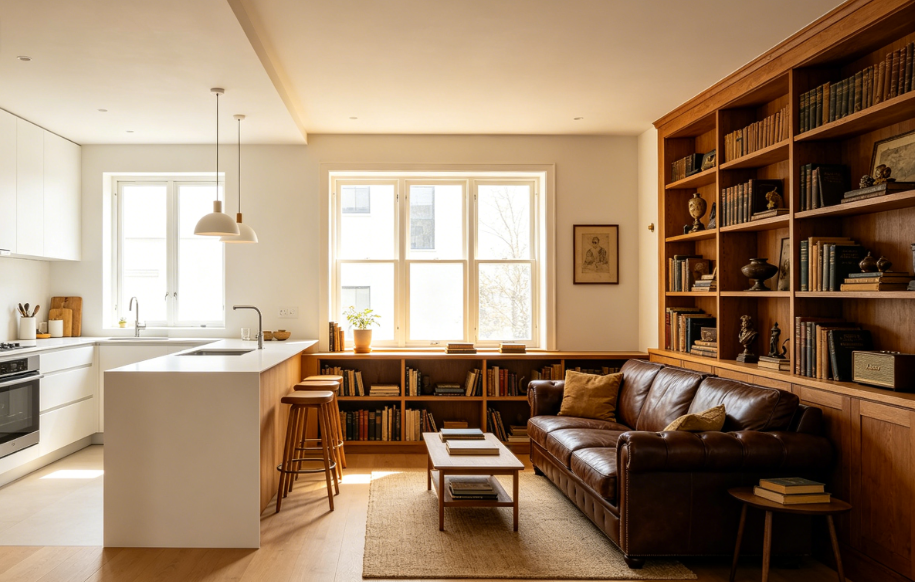
The Core Principles of Interior Design
Every successful interior design project is grounded in a set of fundamental principles that guide decision-making and ensure harmony in the space. Balance is the foundation—distributing visual weight evenly throughout a room to create a sense of equilibrium. This can be achieved through symmetrical design (mirroring elements on either side of a central point) for a classic, polished look, or asymmetrical design (combining different-sized objects) for a more dynamic, modern feel. For example, a large sectional sofa on one side of a living room can be balanced by a pair of accent chairs and a floor lamp on the other.
Rhythm is another key principle, creating a sense of movement and flow that draws the eye through the space. This can be accomplished through repetition (using the same color, texture, or pattern across different elements), progression (gradually changing the size or color of objects), or transition (using curved lines to guide the eye from one area to another). Harmony and unity ensure that all elements in the room—from furniture to decor—work together to create a cohesive, intentional look, rather than feeling disjointed or chaotic.
Choosing a Design Style That Speaks to You
The first step in any interior design project is selecting a style that aligns with your personality, lifestyle, and preferences. With a wide range of styles to choose from, there’s no “one-size-fits-all” approach—what matters most is that the space feels authentic to you.
Modern minimalism is a timeless choice for those who value simplicity and clutter-free living. It emphasizes clean lines, neutral color palettes (whites, grays, beiges), and functional furniture with sleek, unadorned designs. This style works particularly well in small spaces, as it creates a sense of openness and calm.
For those who love warmth and character, rustic design is an excellent option. It celebrates natural materials like reclaimed wood, stone, and wool, with earthy tones, vintage accents, and cozy textures that create a welcoming, homey atmosphere. Bohemian style, on the other hand, is perfect for the creative spirit—featuring bold colors, mixed patterns, unique decor pieces, and a laid-back, eclectic vibe that feels personal and lived-in.
Classic traditional design offers elegance and timelessness, with ornate furniture, rich fabrics (like velvet or silk), subtle patterns, and warm, neutral colors. Industrial design, meanwhile, embraces raw, edgy elements—exposed metal, concrete, brick, and distressed wood—creating a modern, urban feel that’s perfect for lofts or contemporary homes.
Color, Light, and Texture: The Building Blocks of a Great Space
Color is one of the most powerful tools in interior design, as it directly influences mood and perception. Warm colors (reds, oranges, yellows) evoke energy and coziness, making them ideal for living rooms, dining rooms, and bedrooms. Cool colors (blues, greens, purples) promote calm and relaxation, perfect for home offices, bathrooms, or spaces where you want to unwind. Neutral colors (whites, grays, taupes) are versatile and timeless, serving as a perfect backdrop for pops of color through decor, artwork, or textiles.
Lighting is equally crucial, as it can transform the look and feel of a space. Natural light is the most desirable—maximize it with large windows, sheer curtains, and light-colored walls that reflect light. For artificial lighting, layer different types: ambient lighting (ceiling fixtures or chandeliers) for overall illumination, task lighting (desk lamps, under-cabinet lights) for specific activities, and accent lighting (wall sconces, spotlights) to highlight artwork, architectural features, or decor.
Texture adds depth and tactile interest to a space, preventing it from feeling flat or lifeless. Mix different textures to create a rich, layered look: soft textiles (couch cushions, knit throws, area rugs), smooth surfaces (glass, metal, polished wood), and rough materials (distressed wood, stone, jute). This combination of textures adds warmth and dimension, making the space feel more inviting and dynamic.
Functionality: Designing for How You Live
A beautiful space is only useful if it fits your lifestyle. When designing or renovating, prioritize functionality above all else. For example, if you love cooking, invest in a kitchen with ample counter space, storage, and high-quality appliances. If you work from home, create a dedicated home office with comfortable seating, good lighting, and minimal distractions. For families with children or pets, choose durable, easy-to-clean materials (like vinyl flooring, stain-resistant fabric, or washable paint) that can withstand daily wear and tear.
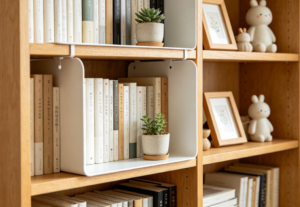
Storage is another key element of functionality. Clutter can detract from even the most beautiful design, so incorporate built-in shelves, cabinets, and hidden storage solutions to keep your space organized. From under-bed drawers and floating shelves to built-in wardrobes and pantry systems, there are endless ways to maximize storage without sacrificing style.
Bringing Your Design Vision to Life
Embarking on an interior design project can feel overwhelming, but with careful planning, it can be a rewarding experience. Start by defining your goals: What do you want to achieve with the space? How will you use it? What colors, textures, and styles do you love? Gather inspiration from design magazines, social media, home tours, or even nature—create a mood board to visualize your vision.
Consider working with a professional interior designer if you need guidance, especially for larger projects like home renovations. A designer can help you refine your vision, stay within budget, and navigate the practical aspects of the design process, from selecting materials to coordinating contractors.
Remember, interior design is personal. There’s no right or wrong way to design a space—what matters is that it feels like home to you. Whether you prefer a sleek, modern look or a cozy, traditional vibe, the goal is to create a space that brings you joy, supports your daily life, and feels uniquely yours.