Simple Home Renovation Tips: Transform Your Space Without Overwhelm
Home renovation is a wonderful way to breathe new life into your living space, whether you’re looking to update a tired room, improve functionality, or boost your home’s value. However, the process can often feel daunting, especially if you’re new to DIY or working with a limited budget. The good news is that you don’t need a massive budget or professional expertise to create meaningful changes. This article shares practical, easy-to-follow tips for home renovation, covering everything from small updates to larger projects, to help you transform your home stress-free.
Start with a Clear Vision and Prioritize
Before picking up any tools or making purchases, take time to define your renovation goals. Ask yourself: What do you want to achieve? Are you looking to make a space more functional (like adding storage to a small kitchen), update its style (such as modernizing a dated bathroom), or fix specific issues (like peeling paint or worn flooring)? Having a clear vision will help you stay focused and avoid wasting time or money on unnecessary changes.
It’s also important to prioritize projects. Not all renovations need to be done at once—start with the areas that bother you most or add the most value. For example, a fresh coat of paint or new light fixtures can make a big difference without a huge investment, while larger projects like a kitchen remodel can be planned for later if needed.
Set a Realistic Budget (and Stick to It)
One of the biggest mistakes homeowners make during renovation is underestimating costs. Before starting, create a detailed budget that includes all potential expenses: materials, tools, labor (if hiring professionals), and a 10–15% contingency fund for unexpected issues (like hidden water damage or supply delays). This contingency fund is crucial—renovations often come with surprises, and having extra cash on hand will prevent you from derailing your project.
To save money, consider DIY for simple tasks like painting, installing new hardware, or assembling furniture. For more complex work (like electrical or plumbing), always hire licensed professionals—cutting corners here can lead to safety hazards and costly repairs down the line.
Choose Materials That Balance Style and Practicality
The materials you choose will impact both the look and durability of your renovated space. When selecting materials, balance style with practicality, especially in high-traffic areas like kitchens, bathrooms, and entryways. For example:
- Flooring: Vinyl plank or ceramic tile is durable, water-resistant, and easy to clean—perfect for busy households. Hardwood or laminate adds warmth to living rooms and bedrooms.
- Countertops: Quartz is stain-resistant and low-maintenance, making it ideal for kitchens. Marble or granite adds elegance but requires more care.
- Paint: Choose washable, durable paint for high-traffic areas (like kitchens and hallways) and warm, neutral tones for rooms you want to feel cozy. Test paint samples on walls before committing—lighting can change how a color looks throughout the day.
Small Updates, Big Impact
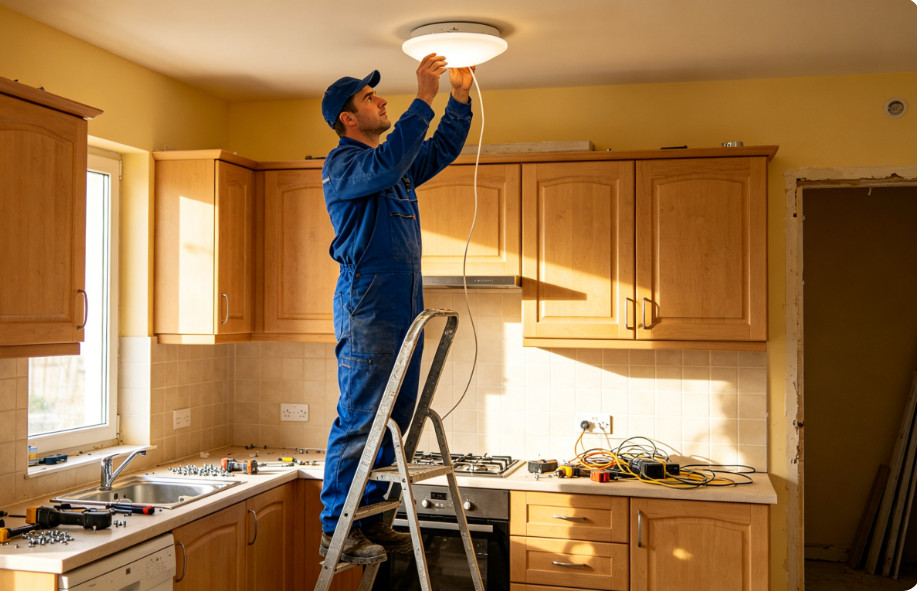
You don’t need a major remodel to transform a space. Small, affordable updates can make a huge difference: Refresh with paint: A fresh coat of paint is one of the most cost-effective ways to update a room. Choose light colors to make small spaces feel larger, or bold accents to add personality.Update fixtures: Replacing old light fixtures, cabinet handles, or faucets can modernize a space without a lot of work. For example, swapping out outdated pendant lights in the kitchen or new hardware on bathroom cabinets can instantly refresh the look.Add storage: Clutter can make any space feel cramped. Install floating shelves, under-cabinet storage, or storage bins to keep your space organized and functional.Bring in natural light: Add mirrors to reflect light, or replace heavy curtains with sheer ones to let more sunlight in. This simple change can make a room feel brighter and more spacious.Hire Professionals WiselyWhile DIY is great for simple tasks, some renovations require professional expertise. Electrical work, plumbing, structural changes, and demolition should always be done by licensed professionals to ensure safety and compliance with local building codes. When hiring contractors, take the time to vet them: ask for recommendations, read online reviews, and get multiple quotes to compare prices and services.
Always sign a detailed contract that outlines the scope of work, timeline, payment schedule, and warranty terms. Clear communication with your contractor will help ensure the project stays on track and any issues are addressed promptly.
Embrace the Process (and Be Flexible)
Renovation can be messy and unpredictable—dust, noise, and temporary disruptions are normal. Try to stay patient and flexible, especially if unexpected issues arise. Remember that the end result will be a space that’s uniquely yours, tailored to your style and needs.
Conclusion
Home renovation doesn’t have to be overwhelming. By starting with a clear vision, setting a realistic budget, choosing practical materials, and tackling small updates first, you can transform your space without stress. Whether you’re a DIY enthusiast or working with professionals, the key is to take it one step at a time and focus on creating a home that feels comfortable, functional, and joyful. With these tips, you’ll be well on your way to enjoying your newly renovated space.