Freckle Removal at Beauty Hospitals: Professional Treatments for Clear, Radiant Skin
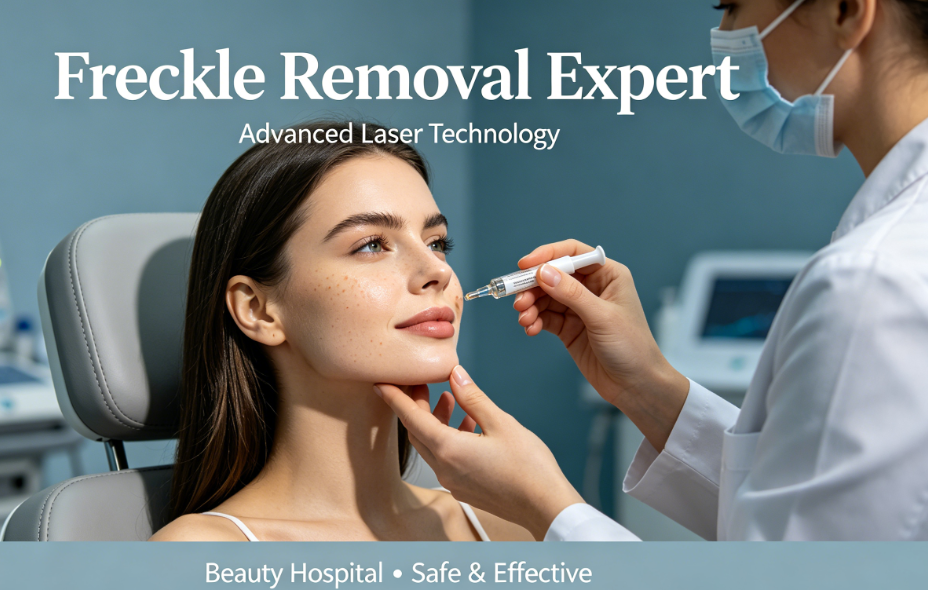
Freckles are small, pigmented spots that form on the skin due to a combination of genetic factors and sun exposure. While they are completely harmless, many individuals seek to reduce or remove them to achieve a smoother, more even skin tone. Unlike over-the-counter products or unprofessional at-home remedies, beauty hospitals offer safe, science-backed freckle removal treatments tailored to each person’s skin type, freckle severity, and aesthetic goals. These treatments are performed by trained medical professionals in a sterile, controlled environment, ensuring effective results with minimal risk. This article explores the professional freckle removal options available at beauty hospitals, how they work, and the key steps to ensure a successful treatment journey.
To understand freckle removal, it’s first important to grasp what causes freckles. Freckles develop when the skin’s melanocytes (cells that produce melanin, the pigment responsible for skin color) produce an excess of melanin in small, concentrated areas. People with fair skin, light hair, and light eyes are more genetically predisposed to freckles, as their skin has less melanin to protect against UV rays. Sun exposure further stimulates melanin production, making freckles darker, more numerous, and more visible over time. Beauty hospitals address this by targeting the excess melanin in freckles without damaging the surrounding healthy skin, using advanced technologies and medical-grade treatments.
Beauty hospitals offer a variety of professional freckle removal treatments, each designed to cater to different skin types and freckle characteristics. The most effective and popular options include laser freckle removal, intense pulsed light (IPL) therapy, medical chemical peels, and cryotherapy—all administered by experienced dermatologists or skincare specialists.
Laser freckle removal is the gold standard for freckle removal at beauty hospitals. This treatment uses a high-precision laser beam that targets the melanin in freckles, breaking it down into tiny particles. These particles are then naturally eliminated by the body’s immune system over the course of a few weeks. The laser is calibrated to only affect the pigmented spots, leaving the surrounding skin unharmed. The procedure is quick, with each freckle taking only a few seconds to treat, and most patients experience minimal discomfort—often described as a slight stinging or tingling sensation. Downtime is minimal, with some temporary redness or slight swelling that fades within a day or two. Multiple sessions may be needed for optimal results, depending on the depth and color of the freckles.
Intense Pulsed Light (IPL) therapy is another popular choice, especially for those with lighter freckles, sun spots, or uneven skin tone. Unlike laser therapy, which uses a single wavelength of light, IPL uses a broad spectrum of light to target melanin, as well as reduce redness and improve overall skin texture. This treatment is gentler than laser therapy, making it suitable for sensitive skin, and it can address multiple skin concerns at once. IPL sessions are quick (usually 30 minutes or less) and require little to no downtime, though some patients may experience mild redness or peeling for a few days. Multiple sessions are typically recommended to achieve the desired level of freckle reduction.
Medical chemical peels are a gentler alternative for individuals with mild freckles or sensitive skin. Beauty hospitals use medical-grade chemical solutions (such as glycolic acid, salicylic acid, or trichloroacetic acid) to exfoliate the outer layer of the skin. This process removes dead skin cells, lightens freckles by reducing melanin concentration, and improves skin tone and texture. The strength of the peel is customized based on the patient’s skin type and freckle severity, ensuring safety and effectiveness. Recovery time varies depending on the peel strength—mild peels may cause minimal redness, while deeper peels may require a few days of peeling and downtime. The result is clearer, brighter skin with reduced freckle visibility.
Cryotherapy is a quick, non-invasive treatment ideal for small, isolated freckles. It involves applying liquid nitrogen to the freckle, which freezes and destroys the pigmented cells. The treated freckle will form a small blister, which eventually dries up and sloughs off within a week or two. This procedure is fast (each freckle takes only a few seconds to treat) and has minimal downtime, though temporary redness or discoloration may occur. It’s important to have cryotherapy performed by a professional to avoid damage to surrounding skin or scarring.
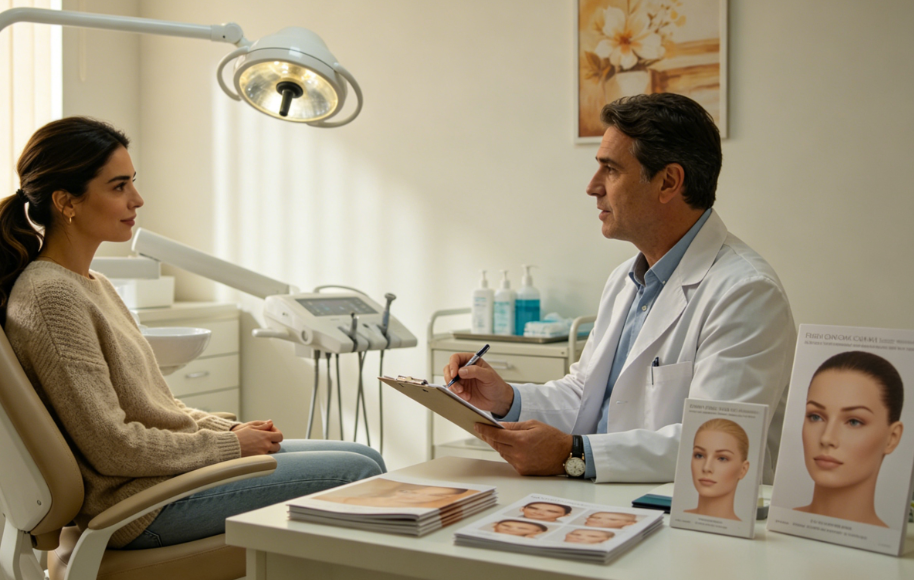
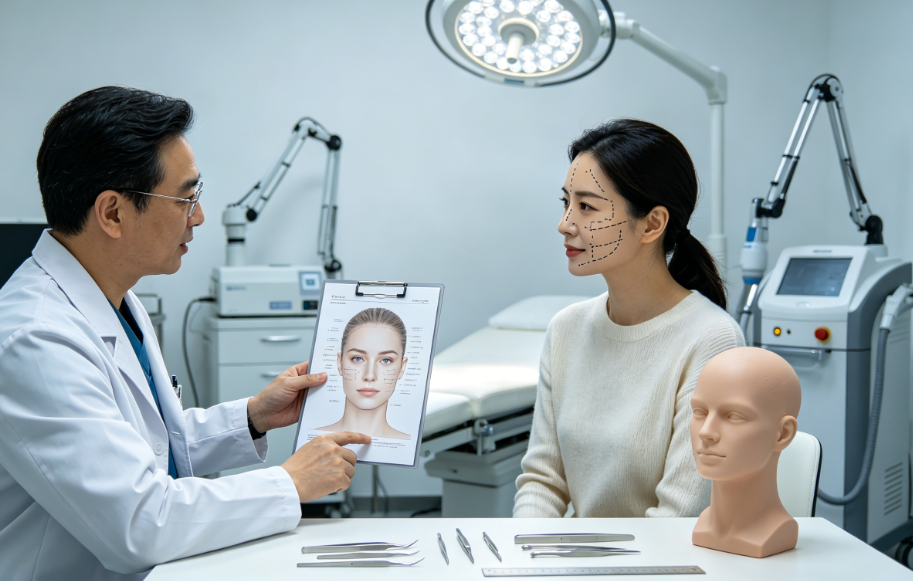
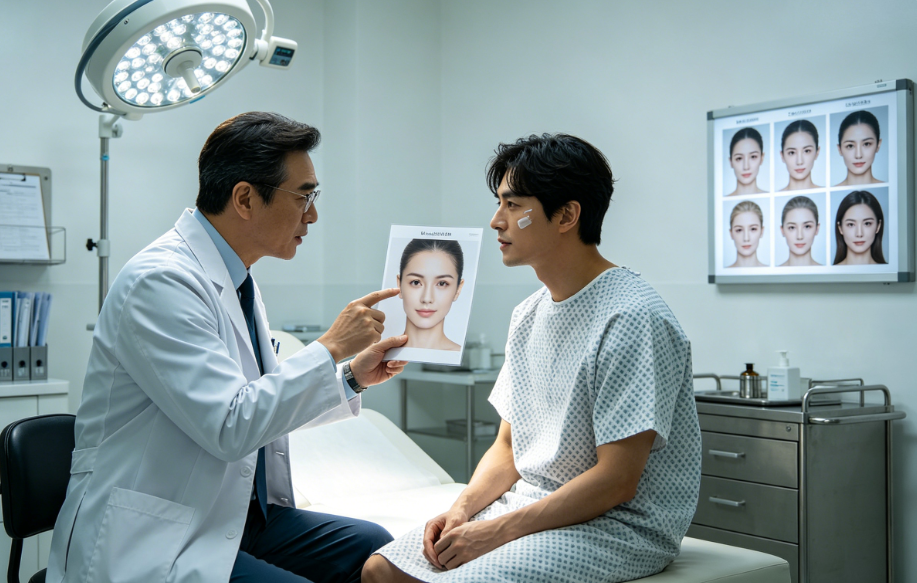
Before any freckle removal treatment, beauty hospitals conduct a comprehensive skin assessment to determine the best approach for each patient. This includes evaluating the patient’s skin type, the depth and color of the freckles, any underlying skin conditions (such as acne, sensitivity, or rosacea), and their aesthetic goals. The medical team will explain the treatment process in detail, including potential risks, expected results, and recovery time, ensuring the patient is fully informed and comfortable before proceeding.
Post-treatment care is critical to achieving optimal results and preventing complications. Regardless of the treatment method, patients are advised to avoid direct sun exposure for 4-6 weeks after treatment, as the skin will be more sensitive to UV rays and prone to re-pigmentation. Wearing a broad-spectrum sunscreen with SPF 30 or higher every day—even on cloudy days—is mandatory. Patients should also avoid picking or scratching the treated area, using harsh skincare products (such as those containing alcohol or fragrances), and undergoing other facial treatments during the recovery period. Following these guidelines will help the skin heal properly and maintain the results of the freckle removal treatment.
It’s important to note that while professional freckle removal treatments at beauty hospitals can significantly reduce or eliminate existing freckles, they do not prevent new freckles from forming. Ongoing sun protection is essential to maintain clear skin, as sun exposure is the primary trigger for freckle development. Beauty hospitals often provide personalized skincare advice, including recommended products and routines, to help patients protect their skin long-term.
Choosing a reputable beauty hospital is essential for safe and effective freckle removal. Patients should look for hospitals with board-certified dermatologists or skincare specialists, state-of-the-art equipment, and a track record of successful treatments. Avoiding unregulated clinics or at-home treatments is crucial, as these can cause skin damage, scarring, uneven pigmentation, or other complications.
In conclusion, beauty hospitals offer professional, safe, and effective freckle removal treatments that cater to individual needs. Whether you choose laser therapy, IPL, chemical peels, or cryotherapy, you can trust that trained medical professionals will guide you through every step—from pre-treatment assessment to post-treatment care. With the right treatment and proper aftercare, you can achieve clear, radiant skin free from unwanted freckles, boosting your confidence and enhancing your natural beauty.