The Evolution of Medical Aesthetics: Safe Practices and Transformative Results
In an era where self-care and self-expression take center stage, medical aesthetics has emerged as a trusted avenue for individuals seeking to enhance their natural beauty, address cosmetic concerns, and boost their confidence. Unlike conventional beauty treatments, medical aesthetics combines medical expertise with advanced technology to deliver safe, targeted, and long-lasting results—all under the guidance of licensed healthcare professionals. This article explores the core principles of medical aesthetics, popular treatments, safety protocols, and how this field continues to redefine modern beauty standards.
Medical aesthetics, often referred to as cosmetic medicine, focuses on non-invasive, minimally invasive, and surgical procedures designed to improve physical appearance while prioritizing patient safety. Unlike over-the-counter skincare or spa treatments, these procedures require specialized training and are performed by qualified professionals such as dermatologists, plastic surgeons, or certified aesthetic nurses. The primary goal is not to alter one’s identity but to enhance natural features, correct imperfections, and help individuals feel more comfortable in their own skin.
One of the most widely recognized non-invasive treatments in medical aesthetics is botulinum toxin, commonly known as Botox. This treatment works by temporarily relaxing the facial muscles that cause dynamic wrinkles—such as crow’s feet, forehead lines, and frown lines—resulting in a smoother, more youthful complexion. Administered via small injections, Botox takes just 15-20 minutes to complete, with no downtime, making it a convenient choice for busy lifestyles. Results typically appear within 3-7 days and last 3-4 months, with consistent treatments helping to maintain a refreshed look. Beyond wrinkle reduction, Botox is also used to treat hyperhidrosis (excessive sweating) and migraines, highlighting its versatility.
Dermal fillers are another cornerstone of non-invasive medical aesthetics, designed to restore lost volume, smooth static wrinkles, and enhance facial contours. Made from biocompatible materials like hyaluronic acid—a substance naturally found in the skin—fillers are injected into targeted areas such as the lips, cheeks, under eyes, and nasolabial folds. Unlike Botox, which relaxes muscles, fillers add volume to address hollow areas, plump lips, and soften deep lines. Results can last 6 months to 2 years, depending on the filler type and treatment area, and when administered by a skilled professional, they create a natural, youthful appearance without looking overdone.
For those seeking to improve skin texture, tone, or address scarring, laser therapy is a powerful minimally invasive option. Laser treatments use focused light energy to target specific skin concerns: fractional laser resurfacing reduces wrinkles, acne scars, and sun damage by stimulating collagen production and resurfacing the skin’s outer layer; laser hair removal offers a long-term solution for unwanted hair by damaging hair follicles; and laser pigmentation therapy fades dark spots, melasma, and uneven skin tone. While some laser treatments may require a short recovery period (1-7 days), they deliver dramatic, long-lasting results and are safe for most skin types when performed by a trained provider.
Chemical peels are another effective treatment for revitalizing the skin. These treatments involve applying a medical-grade chemical solution to the skin, which exfoliates dead skin cells and stimulates the growth of new, healthier skin. Peels range in strength: mild peels address surface-level concerns like dullness and mild hyperpigmentation with little to no downtime, while medium-deep peels target deeper wrinkles, acne scars, and more severe discoloration, requiring a short recovery period. In addition to improving skin appearance, chemical peels boost collagen production, enhancing skin elasticity and radiance.
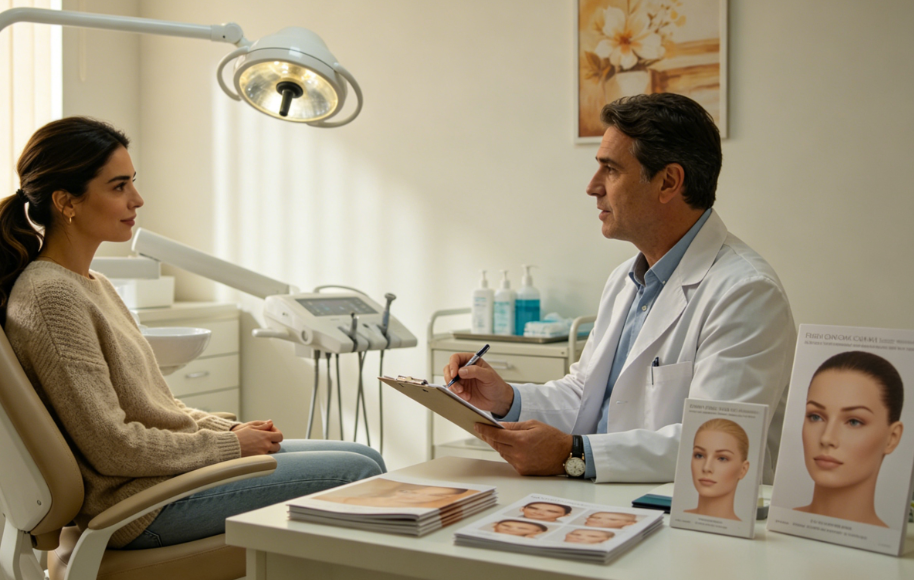
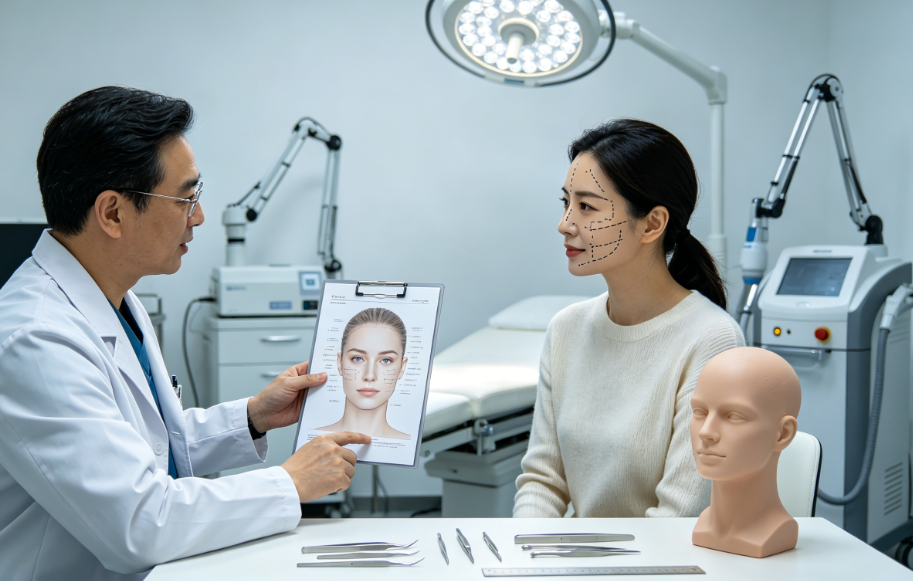
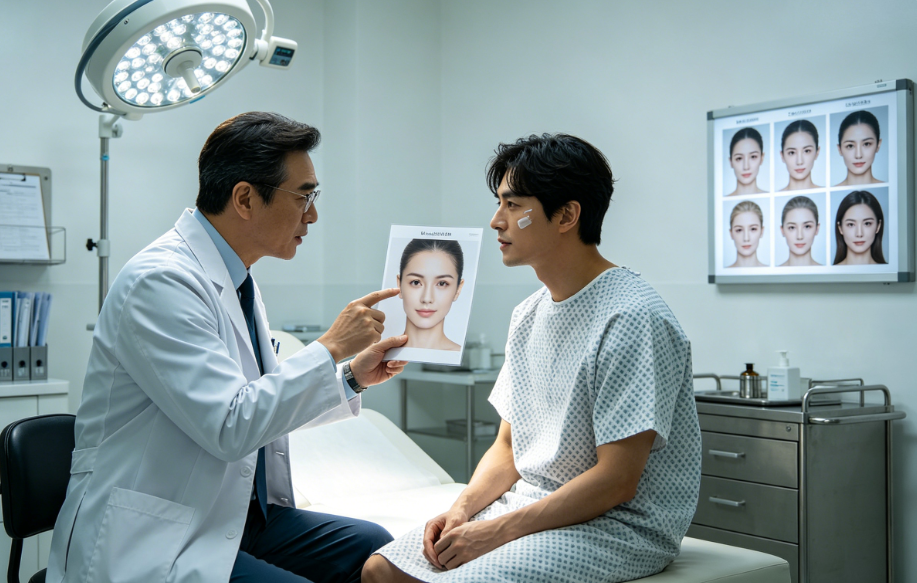
Safety is the foundation of responsible medical aesthetics, and choosing the right provider is non-negotiable. Always seek treatment from a licensed medical professional with specialized training in cosmetic procedures—avoid unlicensed practitioners or unregulated clinics, as they pose significant risks such as infections, scarring, uneven results, or nerve damage. A reputable provider will conduct a thorough consultation, assess your skin type, discuss your goals and concerns, and recommend a personalized treatment plan, while clearly explaining potential risks, benefits, and aftercare instructions.
Managing expectations is also crucial. Medical aesthetics is about enhancing natural beauty, not creating an artificial appearance. Results may take time to fully manifest—especially for treatments that rely on collagen production—and consistency is key for long-term success. Proper aftercare, such as avoiding sun exposure, using gentle skincare products, and following your provider’s instructions, is essential to ensure optimal results and minimize complications.
The field of medical aesthetics is constantly evolving, driven by technological advancements and a growing focus on personalized care. New innovations, such as advanced laser systems, longer-lasting fillers, and minimally invasive contouring procedures, continue to make treatments safer, more effective, and more accessible. Today, medical aesthetics is not just about “fixing” perceived flaws—it’s about empowering individuals to look and feel their best, embracing their unique features while enhancing their confidence.
In summary, medical aesthetics offers a safe, science-backed approach to enhancing natural beauty and addressing cosmetic concerns. From non-invasive treatments like Botox and fillers to minimally invasive laser therapy and chemical peels, there is a solution for every goal. By prioritizing safety, choosing a qualified provider, and maintaining realistic expectations, you can achieve natural-looking, long-lasting results that help you feel confident and comfortable in your own skin. As the field continues to grow, it remains rooted in the principle that beauty should be enhancing, not transformative—and that self-care is the ultimate form of self-love.