Medical Aesthetics: A Guide to Safe, Effective Cosmetic Treatments

In recent years, medical aesthetics has grown exponentially in popularity, as more people seek safe, science-backed ways to enhance their natural beauty, address signs of aging, and boost their confidence. Unlike traditional beauty treatments, medical aesthetics involves procedures performed by licensed medical professionals—such as dermatologists or plastic surgeons—and uses advanced technology and medical-grade products to deliver noticeable, long-lasting results. From non-invasive treatments like Botox and dermal fillers to minimally invasive procedures such as laser therapy and chemical peels, medical aesthetics offers a range of options tailored to different needs and goals. This article explores the world of medical aesthetics, key treatments, safety guidelines, and what to expect when pursuing cosmetic medical procedures.

First, it’s important to distinguish medical aesthetics from regular skincare or spa treatments. Medical aesthetics focuses on cosmetic procedures that require medical expertise, as they often involve manipulating the skin’s structure, underlying tissues, or using medical devices. These procedures are designed to address specific concerns—such as wrinkles, fine lines, hyperpigmentation, acne scars, uneven skin texture, or volume loss—that cannot be effectively treated with over-the-counter products or basic skincare routines. The core principle of medical aesthetics is to enhance natural features rather than alter one’s appearance drastically, emphasizing safety, precision, and personalized care.
One of the most popular non-invasive medical aesthetic treatments is Botox (botulinum toxin). Botox works by temporarily relaxing the facial muscles that cause wrinkles, such as those around the eyes (crow’s feet), forehead, and between the eyebrows (frown lines). The treatment is quick—typically taking 10-15 minutes—and requires no downtime, making it a convenient option for busy individuals. Results usually appear within 3-7 days and last 3-4 months, with regular treatments helping to maintain a smoother, more youthful complexion. Botox is also used to treat other concerns, such as excessive sweating (hyperhidrosis) and migraines, showcasing its versatility beyond cosmetic enhancement.
Dermal fillers are another widely sought-after non-invasive treatment, designed to restore volume, smooth wrinkles, and enhance facial contours. Fillers are made from biocompatible materials—such as hyaluronic acid, a substance naturally found in the skin—and are injected into targeted areas, such as the lips, cheeks, under eyes, and nasolabial folds (smile lines). Unlike Botox, which relaxes muscles, fillers add volume to plump up sagging or hollow areas, creating a more youthful, refreshed look. Results from dermal fillers can last 6 months to 2 years, depending on the type of filler used and the area treated. When administered by a skilled professional, fillers look natural and help enhance one’s unique facial features.
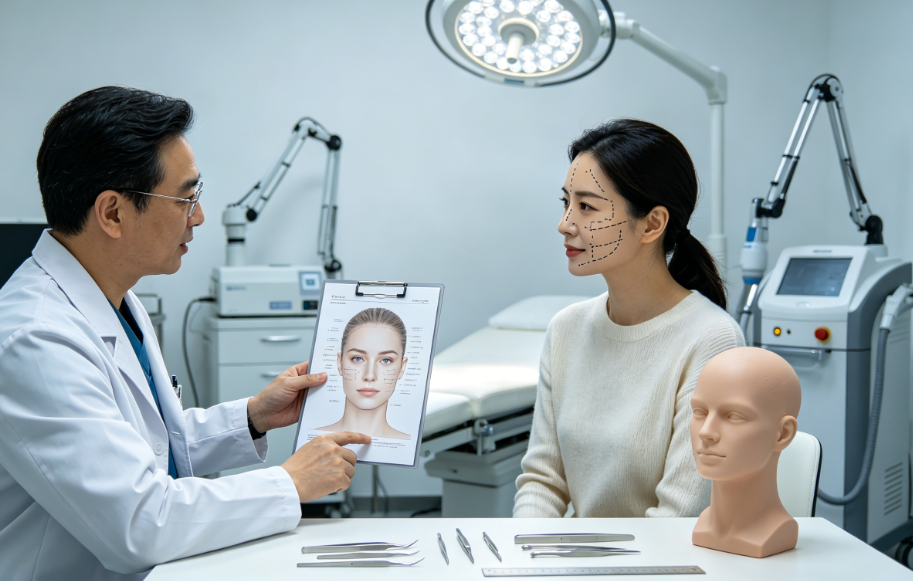
For those seeking to address skin texture, pigmentation, or scarring, laser therapy is a powerful minimally invasive option. Laser treatments use targeted light energy to penetrate the skin’s layers, stimulating collagen production, breaking down melanin deposits, and resurfacing the skin. Common laser treatments include fractional laser resurfacing, which reduces wrinkles, acne scars, and sun damage; laser hair removal, a long-term solution for unwanted hair; and laser skin whitening, which fades hyperpigmentation and evens out skin tone. While laser treatments may require some downtime (ranging from a few days to a week, depending on the intensity), they deliver dramatic, long-lasting results and are safe for most skin types when performed by a trained professional.
Chemical peels are another effective medical aesthetic treatment for improving skin quality. These treatments involve applying a medical-grade chemical solution to the skin, which exfoliates the outer layers of dead skin cells, revealing fresher, brighter skin underneath. Chemical peels range in strength from mild (for surface-level concerns like dullness and mild hyperpigmentation) to deep (for more severe issues like deep wrinkles and acne scars). Mild peels require little to no downtime, while deep peels may require a week or more of recovery. Peels not only improve skin texture and tone but also stimulate collagen production, helping to maintain a youthful appearance over time.
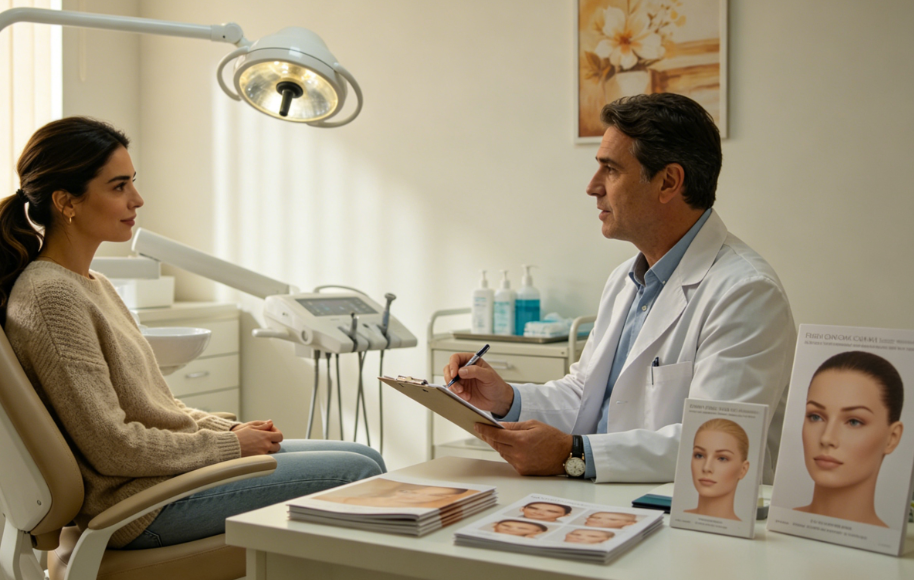
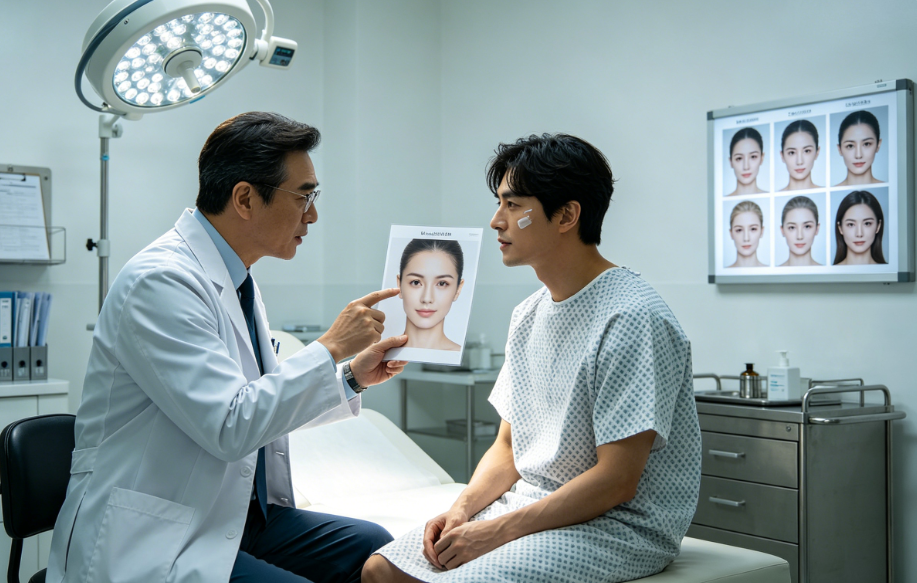
Safety is the most critical factor in medical aesthetics, and choosing the right provider is paramount. Before undergoing any procedure, it’s essential to research and select a licensed medical professional—such as a dermatologist or plastic surgeon—who has extensive experience in the specific treatment you’re interested in. Avoid unlicensed practitioners or “med spas” that cut corners on safety, as this can lead to serious complications, such as infections, scarring, uneven results, or even nerve damage. A reputable provider will conduct a thorough consultation, assess your skin type and goals, and recommend the most suitable treatment plan, while also explaining the risks, benefits, and recovery process in detail.
Another key safety consideration is managing expectations. Medical aesthetic treatments are designed to enhance natural beauty, not create an entirely new appearance. It’s important to have realistic goals and understand that results may take time—especially for treatments that stimulate collagen production, which can take several weeks or months to show full effects. Additionally, proper aftercare is crucial for ensuring optimal results and minimizing complications. Your provider will give you specific aftercare instructions, such as avoiding sun exposure, using gentle skincare products, and refraining from picking or scratching the treated area.
The field of medical aesthetics is constantly evolving, with new technologies and treatments emerging regularly. From advanced laser systems to innovative filler formulas, these advancements are making treatments safer, more effective, and more accessible. For example, newer dermal fillers are designed to last longer and look more natural, while laser treatments are becoming more precise, reducing downtime and side effects. As the industry grows, there is also a greater emphasis on personalized care, with providers tailoring treatments to each individual’s unique needs and preferences.
In conclusion, medical aesthetics offers a safe, effective way to enhance natural beauty, address cosmetic concerns, and boost confidence—when done correctly. By choosing a licensed professional, understanding the treatments, and following proper aftercare, you can achieve natural-looking results that align with your goals. Whether you’re seeking to reduce wrinkles, restore volume, improve skin texture, or address pigmentation, medical aesthetics has a solution tailored to you. Remember, the goal of these treatments is to help you look and feel your best, embracing your unique beauty while enhancing the features you love most.