How to Treat Acne: A Comprehensive Guide to Clear Skin
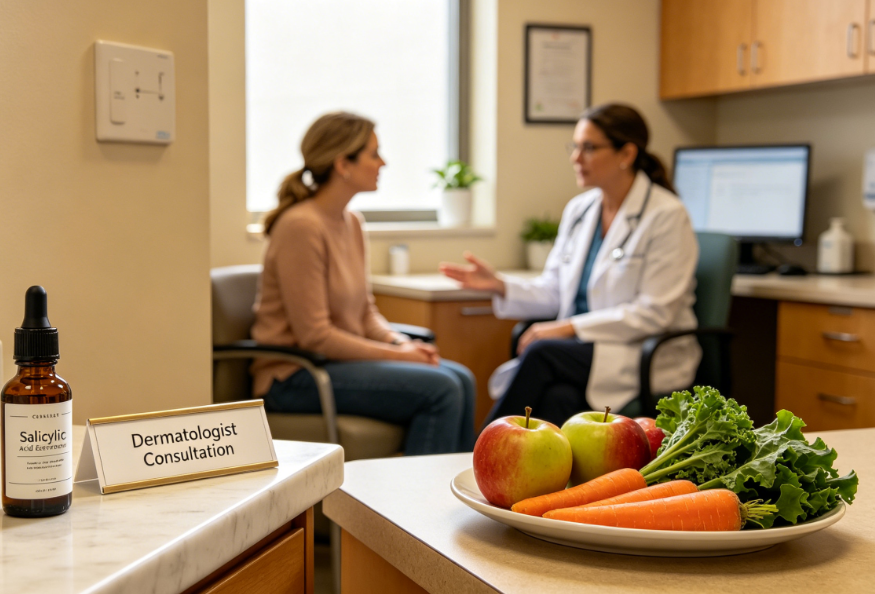
Acne is one of the most common skin conditions worldwide, affecting people of all ages—from teenagers going through hormonal changes to adults dealing with stress, diet, or environmental triggers. While it can be frustrating and even impact self-confidence, acne is manageable with the right knowledge, consistent care, and targeted treatments. This article breaks down the science of acne, effective treatment methods, and key habits to help you achieve and maintain clear, healthy skin.
Acne forms when hair follicles (pores) become clogged with sebum (the skin’s natural oil), dead skin cells, and bacteria. The 堵塞 (clog) traps bacteria, leading to inflammation, redness, and the formation of pimples, blackheads, whiteheads, or even more severe cystic lesions. Hormonal fluctuations, especially changes in androgens, are a primary cause—they stimulate excess sebum production, making pores more prone to clogging. Other triggers include a diet high in refined sugars and dairy, stress, poor skincare habits, and even friction from tight clothing or frequent face-touching.
The first step in treating acne is understanding its severity, as this determines the right approach. Mild acne, characterized by occasional pimples, blackheads, or whiteheads, can often be managed with over-the-counter (OTC) products. Look for formulations with key active ingredients: benzoyl peroxide kills acne-causing bacteria and unclogs pores; salicylic acid penetrates deep into pores to dissolve blockages and reduce inflammation; and niacinamide regulates sebum production and soothes irritated skin. When using OTC products, start with low concentrations to avoid skin irritation, and be consistent—results typically take 4-6 weeks to appear.
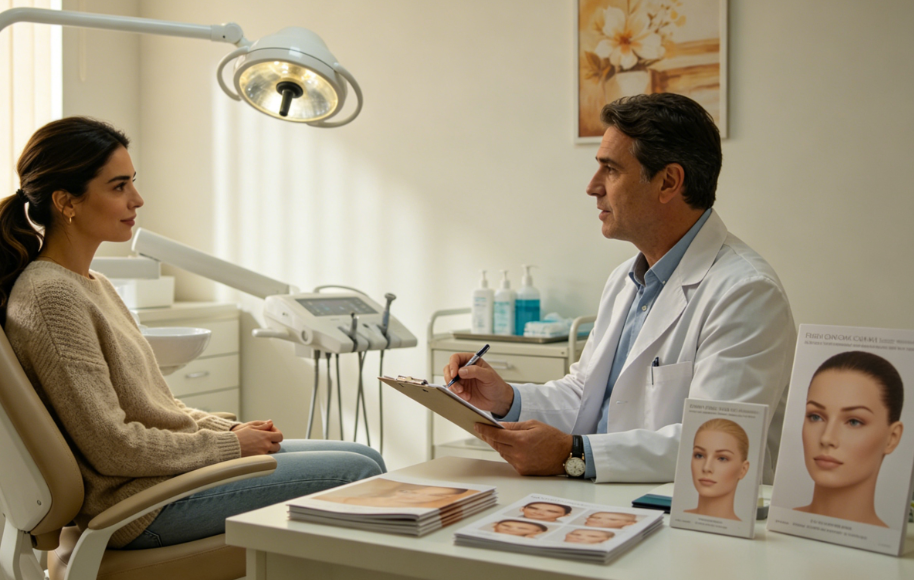
For moderate to severe acne—marked by frequent inflamed pimples, nodules, or cysts that don’t respond to OTC treatments—a dermatologist’s guidance is essential. Prescription treatments may include topical retinoids, which speed up skin cell turnover to clear pores; oral antibiotics to fight bacterial infections; or hormonal medications to balance sebum production. In severe cases, isotretinoin (a powerful oral medication) may be recommended to target all root causes of acne, though it requires close medical monitoring.
Beyond treatments, daily habits play a critical role in preventing and managing acne. Follow a gentle skincare routine: cleanse your face twice a day with a mild, non-comedogenic cleanser (avoid harsh scrubs that irritate the skin), use a lightweight, non-comedogenic moisturizer to maintain the skin’s barrier, and apply broad-spectrum sunscreen daily—UV rays worsen inflammation and leave dark spots. Avoid touching your face, picking at pimples, or popping them, as this spreads bacteria and increases the risk of scarring and post-inflammatory hyperpigmentation.
Your lifestyle also impacts acne: stay hydrated by drinking plenty of water, eat a balanced diet rich in antioxidants and whole foods (limit refined sugars and dairy if they trigger breakouts), get enough sleep, and manage stress—high stress levels raise cortisol, which can worsen acne. Remember, there is no “quick fix” for acne; consistency is key to long-term clear skin.
It’s important to dispel common myths about acne: it is not caused by “dirty skin” (over-washing can irritate the skin and worsen breakouts), and it is not just a “teenage problem”—adult acne is increasingly common. Additionally, acne is not a sign of poor hygiene; it is a medical condition rooted in hormones, genetics, and environmental factors.
In summary, treating acne requires a holistic approach: understanding its causes, using the right products for your skin type, and adopting healthy habits. Whether you’re dealing with mild occasional breakouts or severe persistent acne, patience and consistency will lead to clearer skin. If OTC treatments don’t work, don’t hesitate to consult a dermatologist—they can create a personalized plan to help you achieve the clear, healthy skin you deserve.