Acne Treatment: A Practical Guide to Clear, Healthy Skin

Acne is a widespread skin condition that affects millions of people globally, regardless of age, gender, or skin type. From occasional pimples to persistent breakouts, acne can cause frustration and impact self-esteem, but it is entirely manageable with the right approach. Contrary to common myths, acne is not just a “teenage problem”—adult acne is increasingly common, triggered by factors like stress, hormones, and lifestyle habits. This article explores the science behind acne, effective treatment options for different severity levels, and essential tips to prevent breakouts and maintain clear skin long-term.
To treat acne effectively, it’s first important to understand how it forms. Acne develops when hair follicles (also called pores) become clogged with a combination of sebum (the skin’s natural oil), dead skin cells, and bacteria. Sebaceous glands produce sebum to keep the skin moisturized, but when production is excessive, sebum builds up and mixes with dead skin cells, forming a plug. This plug can be open (appearing as a blackhead, due to oxidation) or closed (appearing as a whitehead). When bacteria enter the clogged follicle, it triggers inflammation, leading to red, swollen pimples. Severe acne, such as cystic or nodular acne, occurs when the inflammation deepens into the skin, forming painful, large bumps that can leave scars if not treated properly.
Numerous factors contribute to acne, and identifying your personal triggers is key to successful management. Hormonal fluctuations are the most common cause—puberty, menstrual cycles, pregnancy, menopause, or certain medications (like some birth control pills) can increase sebum production. Other triggers include a diet high in refined carbohydrates, dairy products, and added sugars; poor skincare habits (such as using comedogenic products that clog pores or over-cleansing the skin); stress, which raises cortisol levels and worsens inflammation; lack of sleep; and even friction from tight clothing or touching the face frequently.
Acne treatment varies based on severity, from mild breakouts to severe, persistent acne. For mild acne—characterized by occasional pimples, blackheads, and whiteheads—over-the-counter (OTC) products are often sufficient. Look for products with active ingredients that target the root causes of acne: benzoyl peroxide kills acne-causing bacteria, unclogs pores, and reduces inflammation; salicylic acid is a beta-hydroxy acid that exfoliates dead skin cells, penetrates pores to clear blockages, and helps prevent future breakouts; niacinamide (vitamin B3) regulates sebum production, reduces redness, and strengthens the skin barrier, making it ideal for oily or sensitive skin; and alpha hydroxy acids (AHAs) like glycolic acid gently exfoliate the skin, promoting cell turnover and unclogging pores.
When using OTC products, consistency is crucial—results typically take 4-6 weeks to become visible. Start with low concentrations (e.g., 2.5% benzoyl peroxide or 0.5% salicylic acid) to avoid skin irritation, and gradually increase if needed. Avoid using multiple harsh products at once, as this can strip the skin of its natural oils, trigger more sebum production, and worsen irritation.
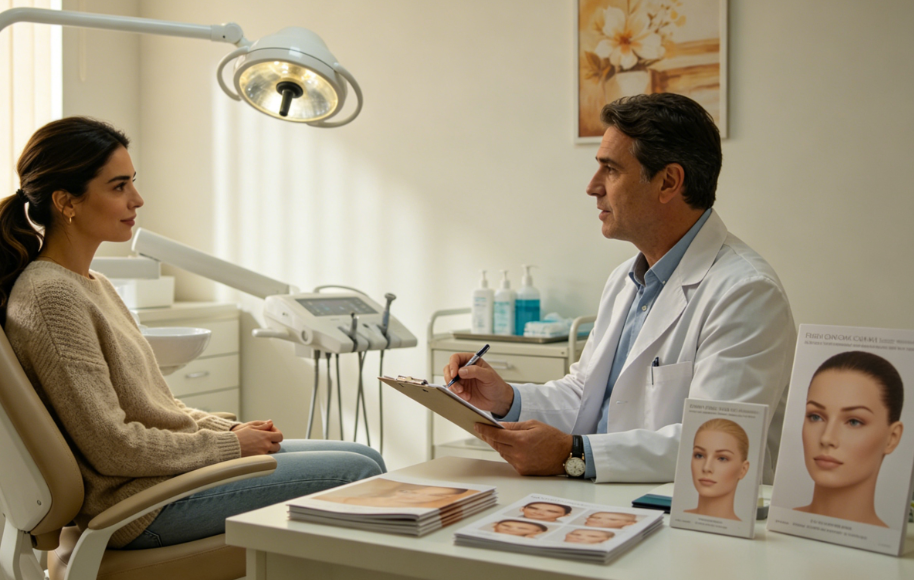
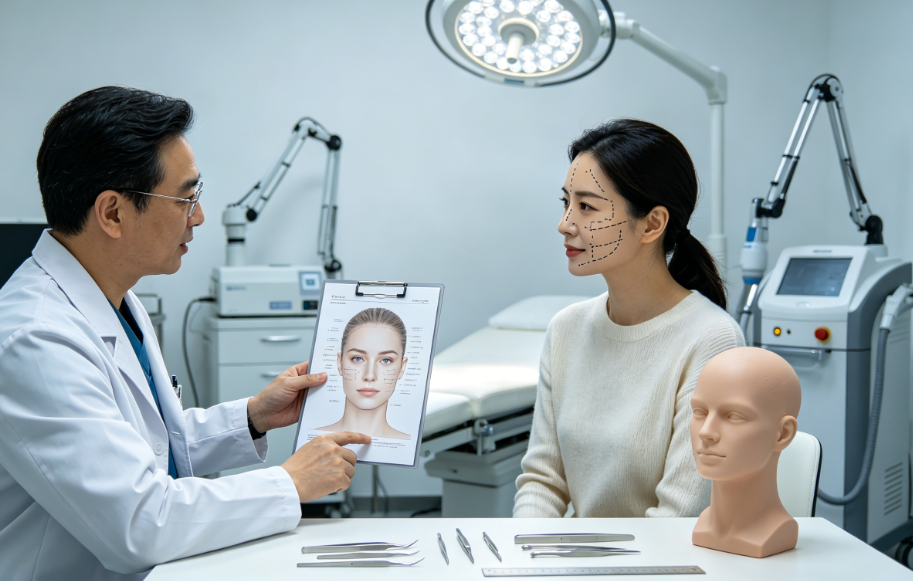
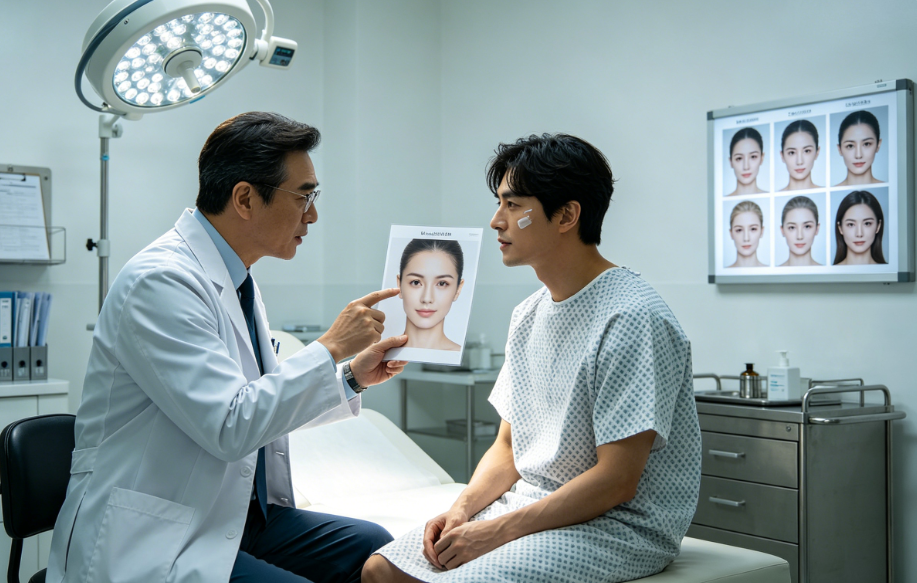
For moderate to severe acne—characterized by frequent, inflamed pimples, nodules, or cysts that do not respond to OTC treatments—it’s essential to consult a dermatologist. A licensed dermatologist can evaluate your skin and recommend prescription treatments tailored to your needs. Topical retinoids (e.g., tretinoin, adapalene) are often prescribed to unclog pores, promote skin cell turnover, and prevent new breakouts. Oral antibiotics may be used to fight bacterial infections and reduce inflammation, but they are typically used short-term to avoid antibiotic resistance. For hormonal acne, oral contraceptives or anti-androgen medications can help balance hormone levels and reduce sebum production. In severe cases, isotretinoin (a powerful oral medication) may be recommended to target all causes of acne, but it requires close monitoring due to potential side effects.
In addition to targeted treatments, a gentle, consistent skincare routine is essential for managing and preventing acne. Cleanse your face twice a day (morning and night) with a mild, non-comedogenic cleanser to remove excess oil, dirt, and makeup—avoid harsh soaps or scrubbing vigorously, as this can irritate the skin. Follow cleansing with a non-comedogenic moisturizer to keep the skin hydrated; even oily skin needs moisture, as dryness can trigger more sebum production. Apply a broad-spectrum sunscreen with SPF 30 or higher every morning, as UV rays can worsen inflammation and leave dark post-inflammatory hyperpigmentation (PIH) after breakouts.
Lifestyle adjustments can also play a significant role in preventing acne. Drink plenty of water to keep the skin hydrated and flush out toxins. Maintain a balanced diet rich in fruits, vegetables, whole grains, and lean proteins, and limit intake of refined sugars, processed foods, and dairy if you notice they trigger your breakouts. Get 7-8 hours of quality sleep each night, as poor sleep increases stress and disrupts hormone balance. Manage stress through activities like exercise, meditation, or yoga, as stress hormones can exacerbate acne. Avoid touching your face, picking at pimples, or popping them—this spreads bacteria, deepens inflammation, and increases the risk of scarring and PIH.
It’s important to approach acne treatment with patience and realistic expectations. There is no “quick fix,” and rushing treatment or using harsh products can do more harm than good. It may take several weeks or months to see significant improvement, even with prescription treatments. If you experience irritation from any product, stop using it and consult a dermatologist. Remember, everyone’s skin is unique—what works for one person may not work for another, so it’s important to listen to your skin and adjust your routine as needed.
In conclusion, acne is a common but manageable skin condition. By understanding its causes, using the right treatments for your severity level, and adopting healthy skincare and lifestyle habits, you can achieve clear, healthy skin. Whether you’re dealing with mild occasional breakouts or severe persistent acne, the key is to be consistent, gentle, and proactive. Don’t hesitate to seek professional help if OTC treatments aren’t working—dermatologists are trained to provide personalized care that addresses your specific needs and helps you maintain clear skin long-term.