How to Effectively Treat Acne: A Comprehensive Guide to Clear Skin
Acne is one of the most common skin conditions worldwide, affecting people of all ages—from teenagers going through hormonal changes to adults dealing with stress, diet, or environmental triggers. Characterized by pimples, blackheads, whiteheads, and even cystic lesions, acne can significantly impact self-confidence and daily life. However, with the right knowledge and consistent care, clear, healthy skin is achievable. This article breaks down the causes of acne, safe and effective treatment methods, and essential skincare habits to prevent breakouts and maintain a clear complexion.
Acne forms when hair follicles become clogged with oil, dead skin cells, and bacteria. The primary culprit is sebum—an oily substance produced by sebaceous glands to keep the skin moisturized. When sebum production is excessive, it mixes with dead skin cells and bacteria, forming a plug that blocks the follicle. This plug can manifest as a blackhead (if open to the air) or a whitehead (if closed). More severe acne, such as cystic acne, occurs when the 堵塞 spreads deep into the skin, causing inflammation, redness, and painful bumps that can leave scars if not treated properly.
Several factors contribute to acne development, and understanding them is key to effective treatment. Hormonal fluctuations are the most common trigger—during puberty, menstruation, pregnancy, or while taking certain medications, hormone levels shift, leading to increased sebum production. Other factors include a diet high in refined sugars and dairy, poor skincare habits (such as over-cleansing or using harsh products), stress, lack of sleep, and even certain fabrics that trap sweat and oil against the skin.
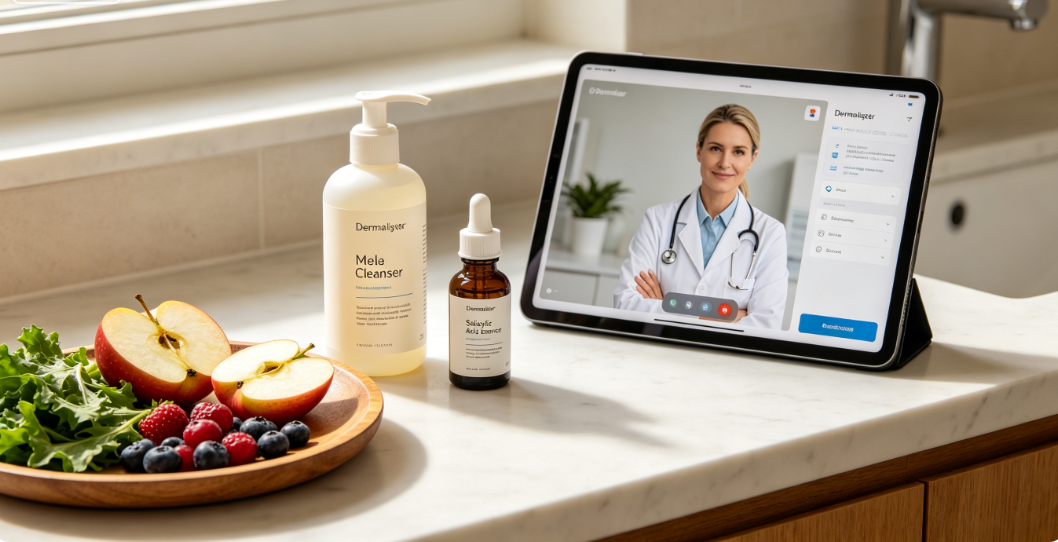
When it comes to treating acne, the goal is to unclog pores, reduce inflammation, control sebum production, and prevent bacterial growth—all while protecting the skin’s natural barrier. For mild to moderate acne, over-the-counter (OTC) products are often effective. Look for products containing benzoyl peroxide, which kills acne-causing bacteria and unclogs pores; salicylic acid, which exfoliates dead skin cells and penetrates pores to clear blockages; or niacinamide, which regulates sebum production and reduces redness. It’s important to start with low concentrations to avoid irritation, and to use these products consistently—results typically take 4-6 weeks to become visible.
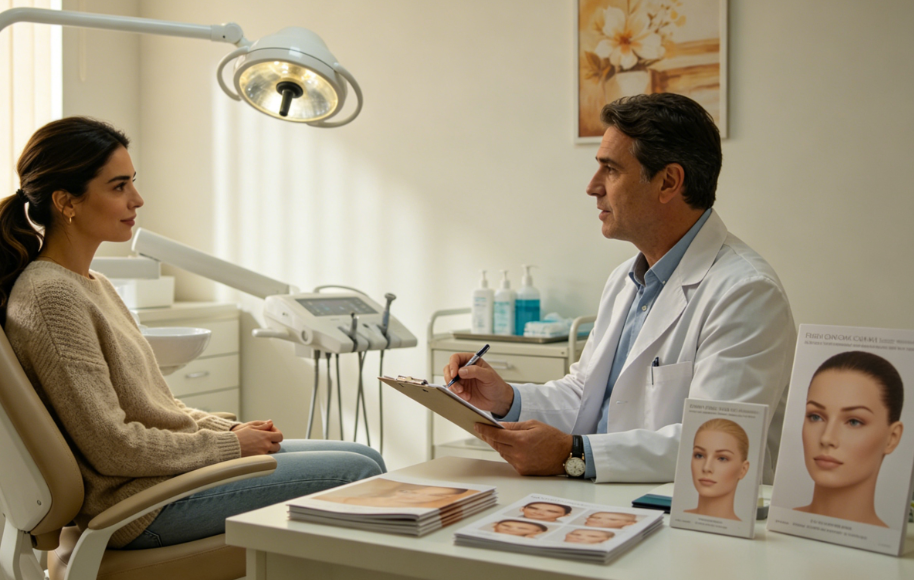
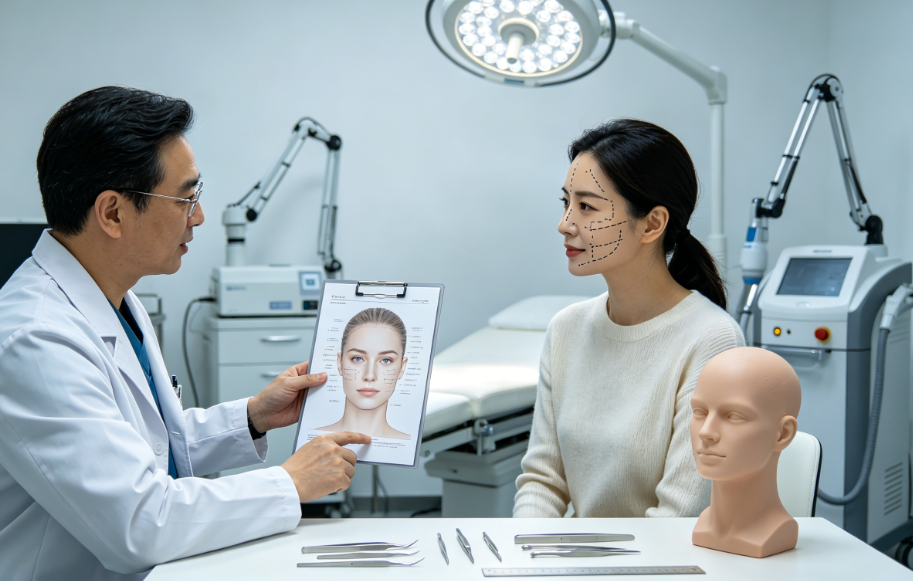
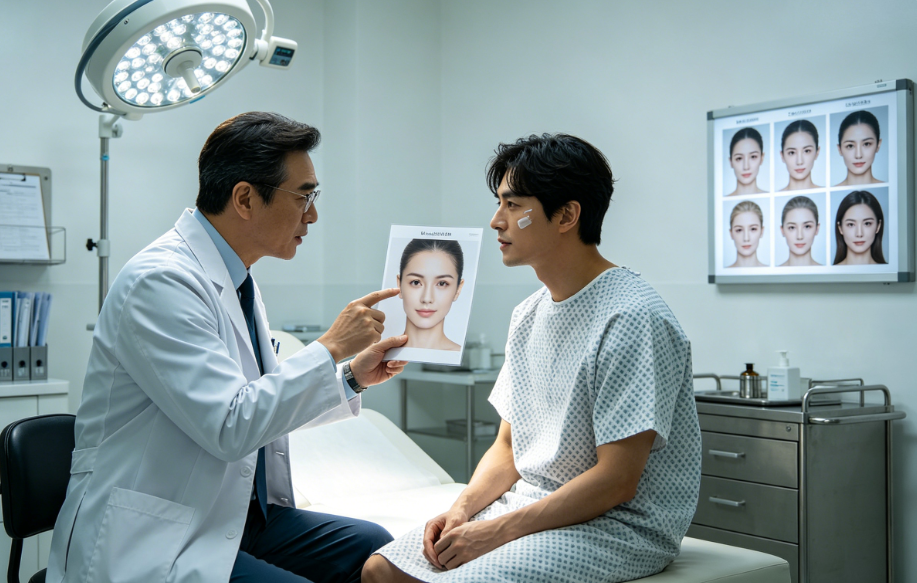
For more severe acne, such as cystic or nodular acne that does not respond to OTC products, it’s essential to consult a dermatologist. They may recommend prescription treatments, such as topical retinoids (which unclog pores and promote skin cell turnover), oral antibiotics (to fight bacterial infections), or hormonal medications (to balance hormone levels and reduce sebum production). In some cases, procedures like chemical peels or laser therapy may be used to target stubborn breakouts and reduce acne scars.
Prevention is just as important as treatment when it comes to acne. Establishing a simple, gentle skincare routine is crucial. Cleanse your face twice a day with a mild, non-comedogenic cleanser (one that does not clog pores) to remove excess oil, dirt, and makeup. Avoid over-cleansing, as this can strip the skin of its natural oils and trigger more sebum production. Use non-comedogenic moisturizers and sunscreen—even if you have oily skin—to keep the skin hydrated and protected from UV damage, which can worsen acne and leave dark spots.
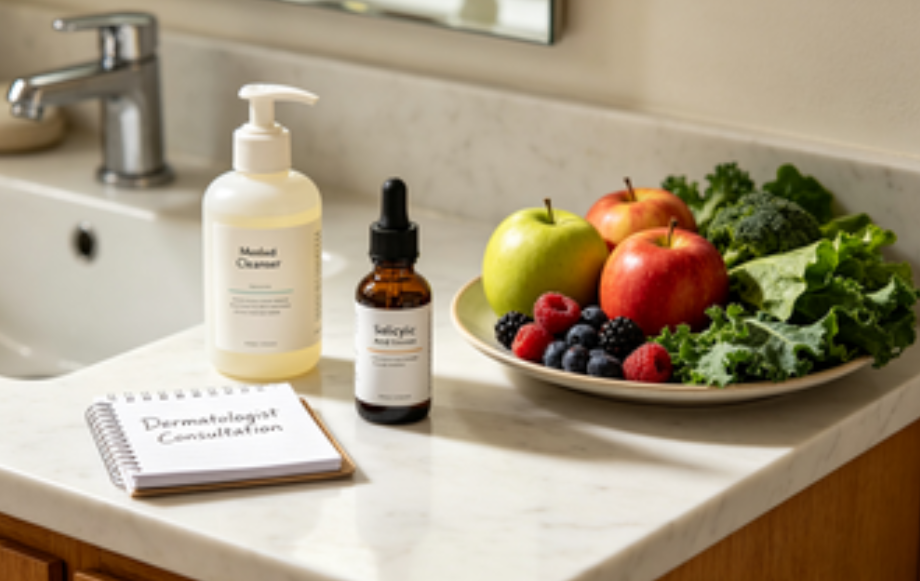
Additionally, adopting healthy lifestyle habits can help prevent breakouts. Drink plenty of water to keep the skin hydrated and flush out toxins. Maintain a balanced diet rich in fruits, vegetables, and whole grains, and limit refined sugars and dairy if you notice they trigger your acne. Get enough sleep, manage stress through exercise or meditation, and avoid touching or picking at your face—this can spread bacteria and lead to more breakouts or scarring.
It’s important to note that acne treatment requires patience. There is no “quick fix,” and rushing treatment or using harsh products can irritate the skin and make acne worse. Avoid popping pimples, as this can push bacteria deeper into the skin and cause scarring or dark post-inflammatory hyperpigmentation. Instead, stick to your skincare routine and follow your dermatologist’s advice if you’re using prescription treatments.
In summary, acne is a manageable condition with the right approach. By understanding the causes, using gentle and effective treatments, and adopting healthy skincare and lifestyle habits, you can achieve and maintain clear, healthy skin. Remember, everyone’s skin is different—what works for one person may not work for another. Be patient, listen to your skin, and don’t hesitate to seek professional help if your acne is severe or persistent. Clear skin is not about perfection, but about caring for your skin in a way that supports its health and vitality.