Dark Spot Removal: Safe, Effective Methods for a Brighter Complexion
Hyperpigmentation, commonly referred to as dark spots, is a widespread skincare issue that impacts individuals of all skin tones and ages. These discolored patches can appear anywhere on the body but are most prevalent on sun-exposed areas like the face, neck, hands, and décolletage. While dark spots are typically harmless, they often cause self-consciousness, prompting many to seek reliable ways to reduce their appearance and restore an even, radiant skin tone. This article delves into the causes of dark spots, breaks down proven removal methods—from at-home remedies to professional treatments—and shares essential tips to maintain clear, healthy skin long-term.

To effectively address dark spot removal, it’s crucial to first understand what causes these spots to form. The primary culprit is overproduction of melanin, the pigment responsible for skin color. When melanin production becomes uneven—due to external or internal factors—concentrated areas of pigmentation develop. Sun exposure is the most common trigger: UV rays damage skin cells, stimulating excess melanin production to protect the skin, which leads to sun spots (also called age spots or liver spots). Hormonal changes, such as those during pregnancy, menopause, or while using hormonal birth control, can cause melasma, a type of hyperpigmentation characterized by large, patchy dark areas on the face. Post-inflammatory hyperpigmentation (PIH) is another common type, forming after skin irritation or injury—such as acne breakouts, scratches, or chemical burns—as the skin produces extra melanin during the healing process. Genetic predisposition can also make some individuals more prone to developing dark spots.
Dark spot removal solutions fall into two main categories: at-home treatments for mild to moderate spots, and professional dermatological procedures for more stubborn or severe hyperpigmentation. Choosing the right method depends on the type of spot, its depth, your skin type, and personal preferences.
At-home dark spot treatments are convenient, affordable, and ideal for those with mild hyperpigmentation or who prefer non-invasive options. Over-the-counter (OTC) skincare products with active ingredients are the cornerstone of at-home care. Hydroquinone is a widely used skin-lightening ingredient that works by inhibiting tyrosinase, an enzyme involved in melanin production, effectively fading dark spots over time. Vitamin C, a powerful antioxidant, not only brightens the skin by reducing existing melanin but also protects against future sun damage and boosts collagen production. Niacinamide (vitamin B3) is gentle yet effective, fading hyperpigmentation while strengthening the skin barrier, making it suitable for sensitive skin. Alpha hydroxy acids (AHAs) like glycolic acid and lactic acid exfoliate the outer layer of dead skin cells, revealing fresher, brighter skin underneath and accelerating the fading of dark spots. For best results, use these products consistently—most require 6-8 weeks of daily application to see noticeable improvement—and start with low concentrations to avoid irritation.
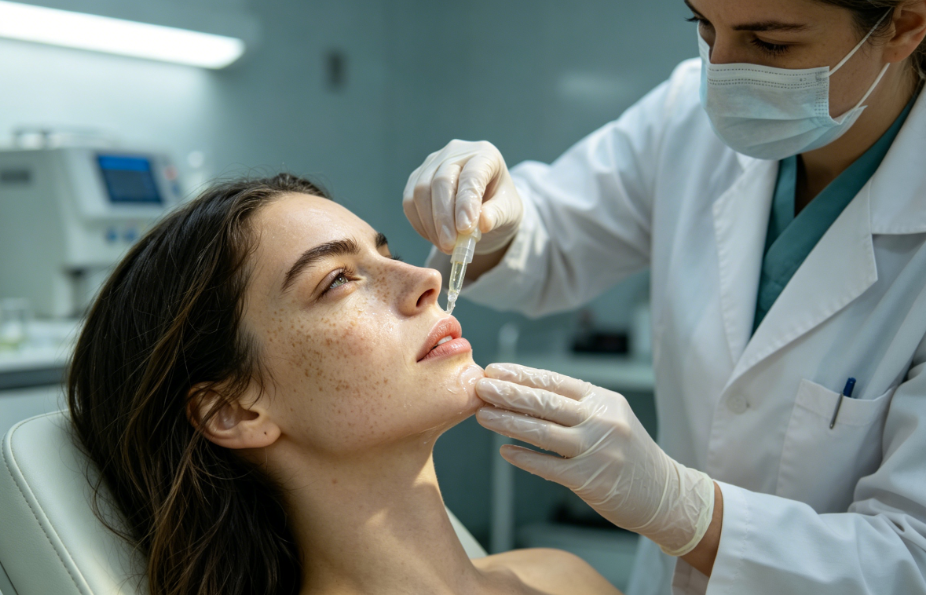
For more severe, deep-set dark spots or melasma that doesn’t respond to at-home treatments, professional procedures offer faster, more targeted results. Laser dark spot removal is one of the most effective and popular options. Dermatologists use focused laser energy to target and break down melanin particles in the spot, which the body then naturally eliminates through its lymphatic system. This method is precise, customizable for different skin tones, and works well for sun spots, PIH, and even some cases of melasma. Chemical peels are another effective professional treatment: a controlled chemical solution is applied to the skin to exfoliate damaged, pigmented layers, stimulating the growth of new, even-toned skin. Peels range from mild (for subtle brightening) to deep (for severe hyperpigmentation), with recovery time varying based on strength.
Intense Pulsed Light (IPL) therapy is a versatile alternative to laser treatment, using broad-spectrum light to target melanin and blood vessels. Unlike lasers, which use a single wavelength, IPL can address multiple concerns at once—dark spots, redness, sun damage, and fine lines—making it a popular choice for overall skin rejuvenation. Microdermabrasion is a gentler professional option, using tiny crystals to exfoliate the skin’s surface, reducing the appearance of mild dark spots and improving texture. For deeper spots or acne scars, microneedling may be recommended: tiny micro-channels are created in the skin to stimulate collagen production and allow skin-brightening ingredients to penetrate deeper, fading spots and smoothing skin.
No matter which dark spot removal method you choose, sun protection is non-negotiable. UV rays are the primary cause of new dark spots and can reverse the results of any treatment by stimulating more melanin production. To protect your skin, apply a broad-spectrum sunscreen with an SPF of 30 or higher every morning, even on cloudy days. Reapply sunscreen every 2 hours when outdoors, and wear protective clothing—such as wide-brimmed hats, long sleeves, and sunglasses—to minimize direct sun exposure. Avoiding sun exposure during peak hours (10 AM to 4 PM) also helps prevent hyperpigmentation.
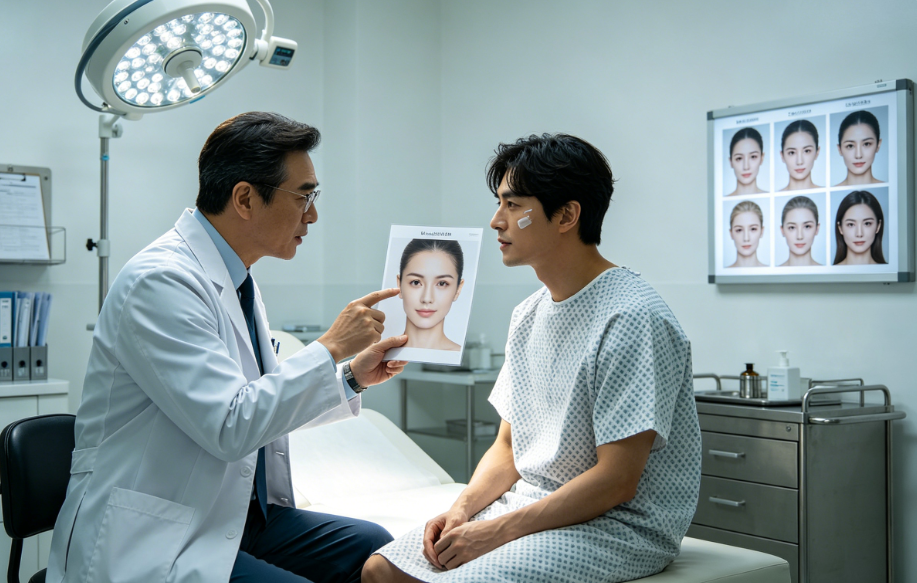
When pursuing dark spot removal, patience is key. Results are not immediate, and multiple treatments—whether at-home or professional—may be needed to achieve the desired outcome. It’s also important to avoid harsh products, over-exfoliation, or picking at the skin, as these can irritate the skin and worsen pigmentation. If you’re unsure about the type of dark spot or the best treatment for your skin, consult a dermatologist. They can assess your skin, identify the root cause of the spots, and recommend a personalized treatment plan tailored to your needs.
In conclusion, dark spots are a common but treatable skincare concern. With the right combination of at-home care, professional treatments, and consistent sun protection, you can effectively fade existing hyperpigmentation and prevent new spots from forming. By understanding the causes of dark spots and choosing the right removal method for your skin, you can achieve a clearer, more even complexion and feel confident in your skin’s natural beauty.