Effective Spot Removal: A Guide to Clearing Hyperpigmentation and Brightening Skin

Dark spots, hyperpigmentation, and uneven skin tone are among the most common skincare concerns, affecting individuals across all skin types and ages. These unwanted marks can stem from a variety of factors—prolonged sun exposure, hormonal fluctuations, acne scarring, aging, or even genetic predisposition—and often leave people feeling self-conscious about their complexion. Fortunately, there are numerous safe and effective spot removal methods available, ranging from at-home skincare routines to professional dermatological treatments, each designed to target specific types of spots and deliver noticeable results. This article explores the science behind spot formation, the most reliable spot removal solutions, and key tips to achieve and maintain clear, radiant skin.
To effectively address spot removal, it’s first important to understand the different types of hyperpigmentation and their root causes. Sun spots, also known as age spots or liver spots, are small, flat, dark patches that typically appear on areas exposed to the sun, such as the face, hands, neck, and décolletage. They form when UV rays trigger an overproduction of melanin, the pigment that gives skin its color, leading to concentrated areas of discoloration. Melasma, on the other hand, presents as larger, irregular brown or gray patches, most commonly on the cheeks, forehead, and upper lip. This type of hyperpigmentation is often linked to hormonal changes, such as pregnancy, menopause, or the use of hormonal birth control, making it more common in women. Post-inflammatory hyperpigmentation (PIH) occurs after the skin experiences inflammation—from acne, eczema, scratches, or other injuries—and leaves behind dark marks as the skin heals. Identifying the type of spot you’re dealing with is crucial for choosing the most effective spot removal approach.
For mild to moderate spots, at-home spot removal solutions offer a convenient and affordable option, especially for those who prefer non-invasive treatments. Over-the-counter (OTC) skincare products formulated with active ingredients are the foundation of at-home spot removal. Key ingredients to look for include hydroquinone, a powerful melanin inhibitor that fades dark spots by slowing the production of pigment; vitamin C, an antioxidant that brightens skin, reduces melanin buildup, and protects against future sun damage; niacinamide (vitamin B3), which improves skin barrier function, reduces redness, and fades hyperpigmentation without irritation; and alpha hydroxy acids (AHAs) like glycolic acid, which exfoliate the top layer of skin to reveal brighter, more even-toned skin underneath. When using these products, consistency is essential—most require 6-8 weeks of daily use to see visible improvement, and it’s important to start with low concentrations to avoid skin irritation, especially for sensitive skin types.
For more stubborn spots or severe hyperpigmentation, professional spot removal treatments provide faster, more targeted results. These treatments, performed by dermatologists or licensed skincare professionals, penetrate deeper into the skin to address pigmentation at its source. Laser spot removal is one of the most popular and effective professional treatments: it uses focused laser energy to break down melanin in the spot into tiny particles, which the body then naturally eliminates through its lymphatic system. Laser treatments are precise, customizable for different skin tones, and effective for all types of spots, though multiple sessions may be needed to achieve optimal results. Another widely used option is chemical peels, which involve applying a controlled chemical solution to the skin to exfoliate damaged, pigmented layers and stimulate the growth of new, healthy skin. Chemical peels range from mild (ideal for mild hyperpigmentation) to deep (for more severe spots and scarring), with recovery time varying based on the peel’s strength.
Intense Pulsed Light (IPL) therapy is another versatile professional spot removal treatment, using broad-spectrum light to target both melanin and blood vessels. Unlike lasers, which use a single wavelength, IPL uses multiple wavelengths, making it effective for fading dark spots, redness, sun damage, and even fine lines in one treatment. Microdermabrasion is a gentler professional option, using tiny crystals to exfoliate the outer layer of dead skin cells, reducing the appearance of mild spots and improving overall skin texture. For deeper spots or acne scars, microneedling may be recommended: this treatment creates tiny micro-channels in the skin, stimulating collagen production and allowing skin-brightening ingredients to penetrate deeper, resulting in faded spots and smoother skin.
A critical component of any spot removal journey—whether at-home or professional—is sun protection. UV radiation is the primary cause of new spots and can significantly worsen existing hyperpigmentation, undoing the results of your treatment. To prevent spots from forming or darkening, it’s essential to apply a broad-spectrum sunscreen with an SPF of 30 or higher every morning, even on cloudy days, and reapply every 2 hours when outdoors. Additionally, wearing protective clothing (such as wide-brimmed hats and long sleeves) and avoiding direct sun exposure during peak hours (10 AM to 4 PM) will help safeguard your skin and maintain the results of your spot removal efforts.
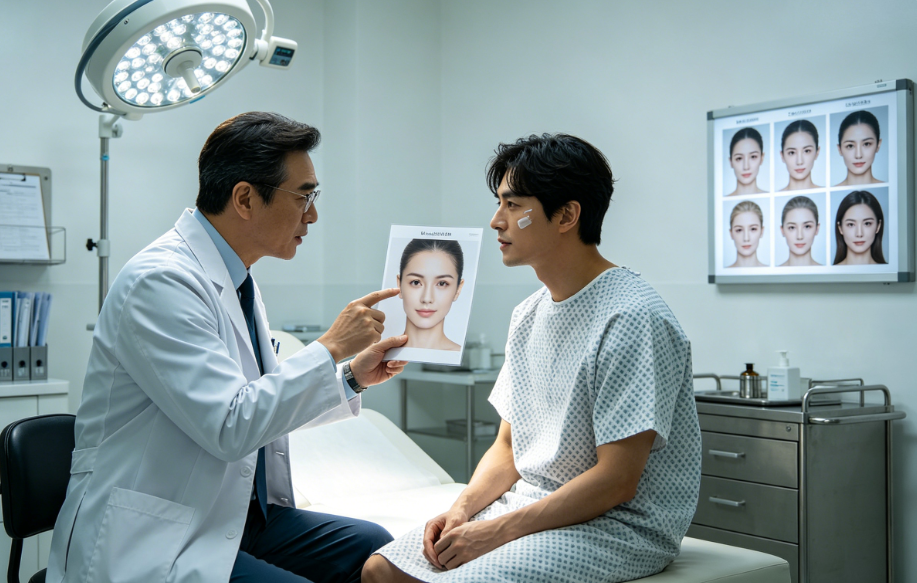
Before starting any spot removal treatment, it’s advisable to consult with a dermatologist, especially if you have severe hyperpigmentation, sensitive skin, or are unsure about the type of spots you have. A dermatologist can evaluate your skin, recommend the most suitable treatment plan, and ensure the procedure is safe for your skin tone. They can also inform you about potential side effects—such as temporary redness, irritation, or darkening of spots—and provide guidance on how to manage them. It’s also important to set realistic expectations: spot removal is a gradual process, and results will vary based on the spot’s type, depth, and your skin’s unique characteristics. Most people require multiple treatments to achieve their desired level of clarity.
In addition to spot removal treatments, maintaining a consistent skincare routine can help prevent future hyperpigmentation and keep your skin looking bright. This includes cleansing twice daily, using a gentle exfoliant 2-3 times a week, applying a moisturizer to keep skin hydrated, and incorporating antioxidants (like vitamin C) to protect against free radical damage. Avoiding picking at acne or skin irritations can also prevent post-inflammatory hyperpigmentation, reducing the need for spot removal in the first place.
In conclusion, spot removal is an achievable goal with the right approach, whether you opt for at-home products, professional treatments, or a combination of both. By understanding the type of spots you have, choosing the appropriate treatment, and prioritizing sun protection, you can fade existing hyperpigmentation, prevent new spots from forming, and enjoy a clearer, more radiant complexion. Remember, the goal of spot removal is to enhance your skin’s natural beauty, not to achieve an unrealistic “perfect” tone—embracing your skin’s uniqueness while addressing concerns is the key to feeling confident and comfortable in your own skin.