Spot Removal: A Comprehensive Guide to Safe and Effective Skin Brightening

Uneven skin tone, dark spots, and hyperpigmentation are common skin concerns that affect people of all ages and skin types. These spots—caused by sun exposure, hormonal changes, aging, acne scars, or genetic factors—can impact self-confidence and leave many seeking safe, effective spot removal solutions. From at-home remedies to professional treatments, the world of spot removal offers a range of options tailored to different spot types, skin tones, and personal preferences. This guide explores the most popular spot removal methods, their benefits, how they work, and key considerations to help you achieve clearer, brighter, and more even-toned skin.
Before diving into spot removal treatments, it’s essential to understand the different types of spots and their causes, as this determines the most effective approach. The most common types include sun spots (also called age spots or liver spots), which form due to prolonged UV exposure and appear as small, dark, flat patches on areas frequently exposed to the sun—such as the face, hands, neck, and shoulders. Melasma, another common form of hyperpigmentation, presents as large, irregular brown or gray patches, often triggered by hormonal changes during pregnancy, menopause, or while taking birth control pills. Post-inflammatory hyperpigmentation (PIH) occurs after skin inflammation, such as acne, eczema, or injury, leaving dark marks that fade over time but can be stubborn without treatment. Understanding your spot type is the first step to choosing the right spot removal method.
At-home spot removal options are ideal for mild to moderate spots and those who prefer a non-invasive, budget-friendly approach. These include over-the-counter (OTC) products formulated with active ingredients that target pigmentation, such as hydroquinone, vitamin C, niacinamide, alpha hydroxy acids (AHAs), and kojic acid. Hydroquinone is a powerful skin-lightening agent that works by inhibiting melanin production—the pigment that gives skin its color—effectively fading dark spots over time. Vitamin C, a potent antioxidant, brightens the skin, reduces melanin production, and helps protect against future sun damage. Niacinamide (vitamin B3) improves skin barrier function, reduces redness, and fades hyperpigmentation, making it suitable for sensitive skin types. When using at-home products, consistency is key—most require 4-8 weeks of regular use to see visible results, and it’s crucial to follow instructions to avoid skin irritation.
For more stubborn or severe spots, professional spot removal treatments offer faster, more dramatic results. These treatments are performed by dermatologists or licensed skincare professionals and target spots at the source, often penetrating deeper into the skin than at-home products. One of the most popular professional treatments is laser spot removal, which uses targeted laser energy to break down melanin in the spot, allowing the body to naturally eliminate the pigmented cells. Laser treatments are precise, effective for all spot types, and require minimal downtime—though multiple sessions may be needed for optimal results. Another common professional option is chemical peels, which use a controlled chemical solution to exfoliate the top layer of skin, removing pigmented cells and revealing brighter, smoother skin underneath. Chemical peels range from mild to deep, with deeper peels targeting more severe hyperpigmentation but requiring longer recovery time.
Intense Pulsed Light (IPL) therapy is another effective professional spot removal treatment, using broad-spectrum light to target melanin and blood vessels, fading dark spots, redness, and sun damage. Unlike laser treatments, which use a single wavelength, IPL uses multiple wavelengths, making it suitable for treating multiple skin concerns at once, such as spots, redness, and fine lines. Microdermabrasion, a gentle exfoliation treatment, uses tiny crystals to remove the outer layer of dead skin cells, reducing the appearance of mild spots and improving overall skin texture. For deeper spots or scars, microneedling may be recommended—this treatment creates tiny micro-channels in the skin, stimulating collagen production and allowing skin-lightening ingredients to penetrate deeper, fading spots and improving skin tone.
Regardless of the spot removal method you choose, sun protection is non-negotiable. UV exposure is the primary cause of new spots and can worsen existing hyperpigmentation, undoing the results of your treatment. It’s essential to apply a broad-spectrum sunscreen with an SPF of 30 or higher every day, even on cloudy days, and reapply every 2 hours when outdoors. Wearing protective clothing, such as hats and long sleeves, and avoiding direct sun exposure during peak hours (10 AM to 4 PM) also helps prevent spots from forming or darkening.
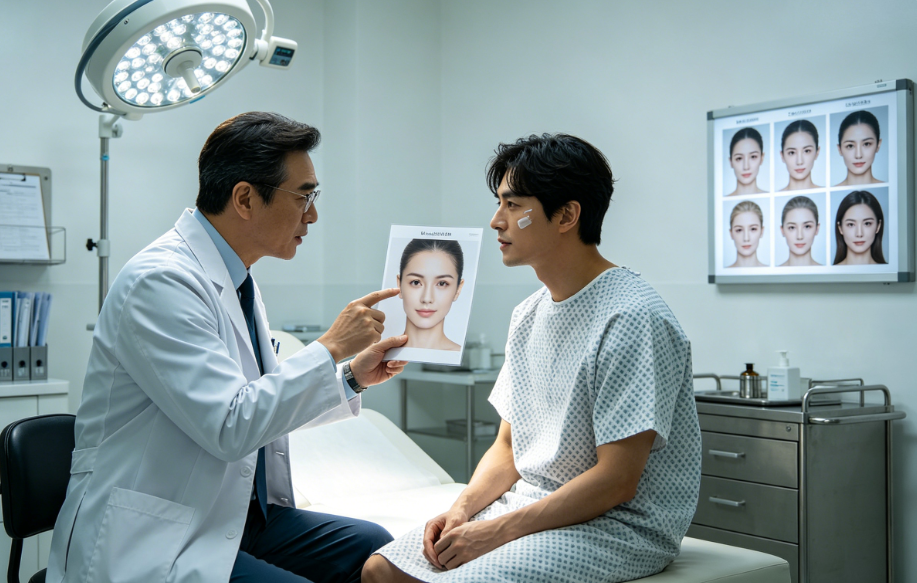
When considering spot removal, it’s important to consult with a dermatologist, especially if you have severe hyperpigmentation, sensitive skin, or are unsure about your spot type. A dermatologist can evaluate your skin, recommend the most suitable treatment, and ensure the procedure is safe for your skin tone. They can also advise on potential side effects—such as redness, irritation, or temporary darkening of spots—and how to manage them. It’s also crucial to have realistic expectations: spot removal takes time, and results vary depending on the spot type, depth, and treatment method. Most spots will fade gradually, and multiple treatments may be needed to achieve the desired results.
In conclusion, spot removal is a safe and effective way to address hyperpigmentation and achieve clearer, brighter skin. Whether you opt for at-home products with active ingredients or professional treatments like laser therapy, chemical peels, or IPL, the key is to choose a method that aligns with your spot type, skin tone, and lifestyle. By combining spot removal treatments with consistent sun protection and a healthy skincare routine, you can fade existing spots, prevent new ones from forming, and enjoy a more even, radiant complexion. Remember, healthy skin is beautiful skin, and the goal of spot removal is to enhance your natural glow, not alter your unique skin tone.