Relieving Cervical Pain: Holistic Treatments for a Healthy Neck
Cervical pain, or neck pain, is a prevalent issue that plagues people across all walks of life—from office workers glued to computer screens to students buried in books and frequent smartphone users. It can range from a mild, occasional ache to a persistent, debilitating pain that limits mobility, disrupts sleep, and hinders daily activities. The neck, or cervical spine, is a delicate structure composed of vertebrae, muscles, ligaments, and nerves, making it vulnerable to strain and injury. Fortunately, most cervical pain can be effectively treated with holistic, non-invasive methods that address both the symptoms and the root causes. This article explores practical, science-backed treatments to relieve cervical pain and restore long-term neck health.
Common Causes of Cervical Pain
Understanding the underlying cause of your cervical pain is key to choosing the right treatment. The most common triggers include: poor posture (especially “text neck” from hunching over devices or slouching at a desk), muscle strain from repetitive movements (such as typing or lifting), sleeping in an awkward position with an unsupportive pillow, stress-induced muscle tension, and minor injuries (like a sudden twist or whiplash). Over time, these factors can lead to tightness in the neck and shoulder muscles, irritation of the cervical nerves, or misalignment of the vertebrae, all of which contribute to pain, stiffness, and reduced mobility.
Holistic Treatments for Cervical Pain Relief
Holistic treatment focuses on addressing the whole body, not just the pain itself. It combines gentle physical techniques, lifestyle adjustments, and self-care to relieve discomfort, improve mobility, and prevent future strain. Below are effective, accessible treatments to try:
1. Gentle Stretching and Mobility Exercises
Stretching is one of the most effective ways to relax tight neck muscles, reduce stiffness, and improve flexibility. It’s important to perform stretches slowly and gently—never force a movement that causes sharp pain. Incorporate these exercises into your daily routine, holding each stretch for 20–30 seconds:
– Chin Tuck: Sit or stand with your back straight. Gently pull your chin toward your chest, feeling a stretch at the back of your neck. This helps correct forward head posture, a major cause of cervical strain.
– Neck Rotation: Slowly turn your head to the left until you feel a gentle stretch along the right side of your neck, hold, then turn to the right. Repeat 3–4 times on each side.
– Shoulder Blade Squeeze: Sit tall, squeeze your shoulder blades together behind your back, hold for 5 seconds, then release. This relieves tension in the upper back, which often radiates to the neck.
2. Heat and Cold Therapy
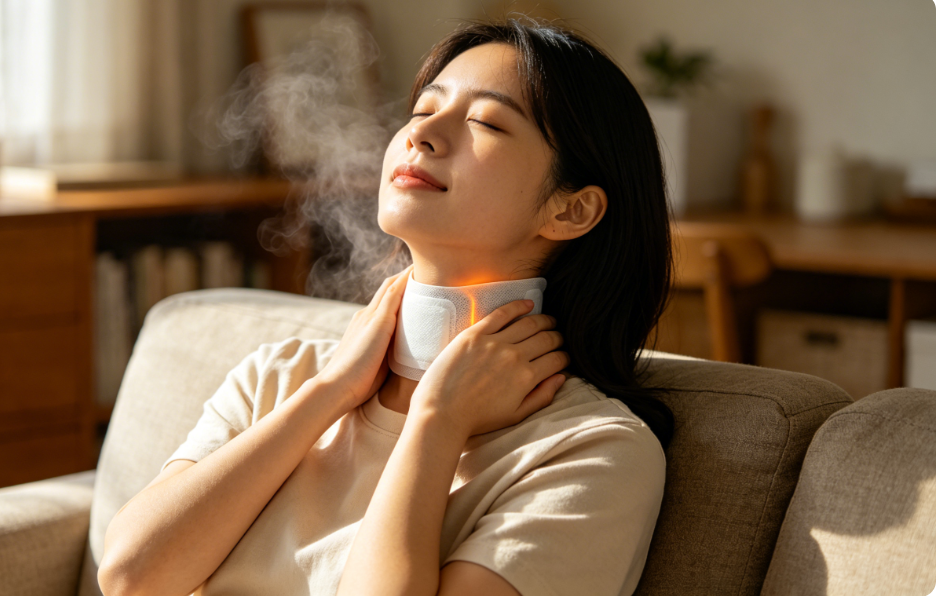
Heat and cold therapy are simple yet powerful tools for relieving cervical pain. For acute pain (pain that starts suddenly, such as after a strain or injury), apply a cold pack wrapped in a thin towel to the affected area for 10–15 minutes. Cold helps reduce inflammation and numb the pain. For chronic stiffness (pain that lasts more than a few days), use a warm compress, heating pad, or hot water bottle for 15–20 minutes. Heat increases blood flow to the neck, relaxing tight muscles and easing discomfort. You can also alternate between heat and cold for more severe pain, starting with cold to reduce inflammation, then heat to relax muscles.
3. Posture Correction and Ergonomic Adjustments
Poor posture is the leading cause of chronic cervical pain, so correcting it is essential for both treatment and prevention. When sitting at a desk, ensure your back is supported by a chair with lumbar support, your shoulders are relaxed, and your head is aligned with your spine. Position your computer screen at eye level to avoid craning your neck upward or downward. When using a smartphone, hold it at eye level instead of bending your neck downward—this simple change can drastically reduce strain. Take a 5-minute break every 30 minutes to stand up, stretch, and reset your posture.
4. Massage and Muscle Relaxation
Gentle massage can help release tight muscle knots (trigger points) and reduce tension in the neck and shoulders. You can perform self-massage using your fingertips: apply gentle pressure to the tight areas of your neck and shoulders, and knead in circular motions. For more persistent tension, consider a professional massage from a licensed therapist who specializes in neck and shoulder pain. Additionally, relaxation techniques such as deep breathing, meditation, or progressive muscle relaxation can help reduce stress-induced muscle tension, which often worsens cervical pain. Try taking 5 minutes each day to breathe deeply—inhale for 4 counts, hold for 4, exhale for 6—to calm your mind and relax your muscles.
5. Supportive Sleep and Pillow Selection
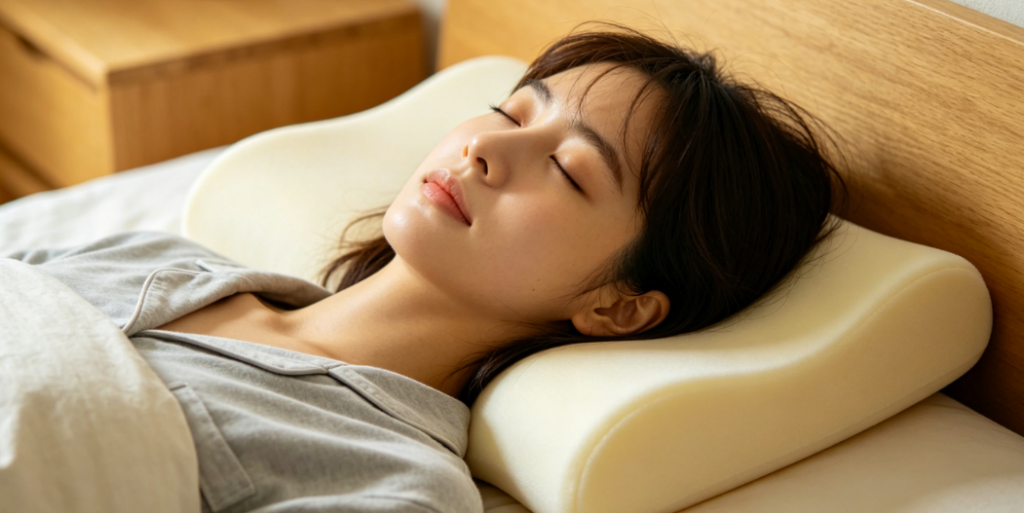
Sleeping with the right pillow is crucial for cervical health, as poor sleep posture can worsen neck pain. Choose a pillow that supports your neck’s natural curve—avoid pillows that are too thick, too flat, or too soft. Memory foam or latex pillows are often a good choice, as they conform to the shape of your neck and provide consistent support. Sleep on your back or side (avoid sleeping on your stomach, as it strains the neck and misaligns the spine). If you sleep on your side, place a pillow between your knees to keep your body aligned, which reduces strain on the neck.
When to Consult a Healthcare Professional
Most cervical pain improves with home treatments, but it’s important to seek medical help if you experience any of the following:
– Pain that lasts more than 2 weeks and does not improve with stretching, heat/cold therapy, or posture adjustments.
– Pain that radiates down your arm, causing numbness, tingling, or weakness in your fingers.
– Difficulty moving your neck, or accompanying symptoms such as dizziness, severe headaches, blurred vision, or difficulty swallowing.
A healthcare provider may recommend physical therapy, chiropractic adjustments, or other targeted treatments for more severe cases. In rare instances, they may order imaging tests (such as an X-ray or MRI) to rule out more serious issues, such as a herniated disc.
Preventing Cervical Pain Long-Term
The best treatment for cervical pain is prevention. Incorporate these habits into your daily life to protect your neck:
– Maintain good posture at all times, whether sitting, standing, or walking.
– Limit screen time, and take frequent breaks to stretch your neck and shoulders.
– Strengthen the muscles in your neck and shoulders with gentle exercises (such as shoulder squeezes or resistance band exercises) to provide better support for your cervical spine.
– Invest in an ergonomic chair and desk setup to reduce strain during work or study.
Cervical pain is a manageable condition with the right approach. By combining gentle stretching, heat/cold therapy, posture correction, and self-care, you can relieve discomfort, improve mobility, and protect your neck health for the long term. Remember, taking care of your cervical spine is an investment in your overall well-being—small, consistent changes can make a big difference.