Hypertension Treatment: A Holistic Approach to Lower Blood Pressure and Boost Heart Health

Hypertension, or high blood pressure, is a silent but serious condition that affects a large portion of the global population. It occurs when the force of blood against the walls of the arteries is consistently too high, putting extra strain on the heart, blood vessels, and other vital organs. While it often has no visible symptoms, untreated hypertension can lead to life-threatening complications such as heart attacks, strokes, kidney disease, and heart failure. Fortunately, hypertension can be effectively managed with a holistic approach that combines medical care, lifestyle modifications, and self-awareness. This article explores a comprehensive guide to treating hypertension, helping you achieve and maintain healthy blood pressure levels.
The Importance of Early Detection and Diagnosis
The first step in treating hypertension is early detection. Regular blood pressure screenings are essential, as hypertension often develops without any signs or symptoms. A normal blood pressure reading is below 120/80 mmHg; pre-hypertension ranges from 120-129/80 mmHg, and hypertension is diagnosed when readings consistently reach 130/80 mmHg or higher. If you have pre-hypertension, making immediate lifestyle changes can prevent the condition from progressing. For those already diagnosed with hypertension, prompt treatment is key to reducing health risks and preventing long-term damage.
Medical Treatments for Hypertension
When lifestyle changes alone are not enough to lower blood pressure, healthcare providers may recommend prescription medication. The choice of medication depends on factors such as your age, overall health, and other existing conditions. Below are common types of hypertension medications and how they work:
1. Diuretics
Diuretics, also known as “water pills,” help the kidneys eliminate excess sodium and water from the body. By reducing the volume of blood in the arteries, they lower the pressure exerted on the vessel walls. They are often the first-line medication for hypertension, especially for older adults and those with fluid retention.
2. ACE Inhibitors and ARBs
Angiotensin-Converting Enzyme (ACE) inhibitors block the production of angiotensin II, a hormone that narrows blood vessels. Angiotensin II Receptor Blockers (ARBs) prevent angiotensin II from binding to blood vessel receptors, allowing arteries to relax and blood pressure to drop. Both types are often prescribed for people with diabetes or kidney disease, as they also protect these organs.
3. Calcium Channel Blockers
These medications prevent calcium from entering the muscle cells of blood vessels, which helps relax the vessel walls and improve blood flow. They are effective for lowering blood pressure and are often used for people with other conditions such as angina or arrhythmias.
4. Beta-Blockers
Beta-blockers slow the heart rate and reduce the heart’s output of blood, which lowers blood pressure. They are sometimes prescribed for people with hypertension who also have heart disease or a history of heart attacks.
It is critical to take medication exactly as prescribed. Skipping doses or stopping medication without medical approval can cause blood pressure to spike, increasing the risk of complications. Your healthcare provider will monitor your progress and adjust your medication as needed to ensure it is effective and safe.
Lifestyle Modifications: The Core of Hypertension Treatment
Medication works best when combined with healthy lifestyle habits. These changes not only lower blood pressure but also improve overall health and reduce the need for higher medication doses. Here are key lifestyle adjustments to incorporate into your daily routine:
1. Follow a Low-Sodium, Nutritious Diet
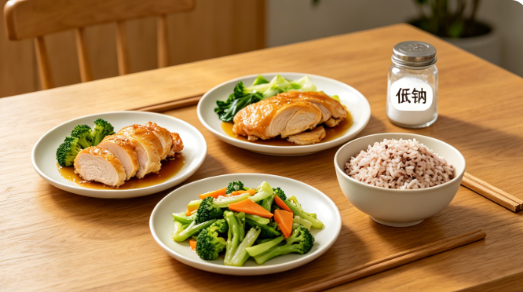
Sodium is a major contributor to high blood pressure, as it causes the body to retain water. Aim to limit sodium intake to 1,500 milligrams per day, which is about ½ teaspoon of salt. Avoid processed foods, canned soups, frozen dinners, and salty snacks, as these are high in hidden sodium. Instead, focus on the DASH diet, which emphasizes fruits, vegetables, whole grains, lean proteins, and low-fat dairy products. These foods are rich in potassium, magnesium, and fiber—nutrients that help regulate blood pressure.
2. Engage in Regular Physical Activity
Regular exercise strengthens the heart, improves circulation, and helps lower blood pressure. Aim for at least 150 minutes of moderate-intensity exercise per week, such as brisk walking, cycling, swimming, or dancing. Even short 10-minute sessions throughout the day can add up to meet this goal. If you are new to exercise, start slowly and gradually increase the duration and intensity. Always consult your healthcare provider before starting a new exercise program.
3. Maintain a Healthy Weight
Excess weight, especially around the waist, increases the heart’s workload and raises blood pressure. Losing just 5-10% of your body weight can lead to a significant reduction in blood pressure. Focus on gradual weight loss through a balanced diet and regular exercise, rather than extreme diets that are unsustainable. Small, consistent changes—such as eating smaller portions or choosing healthy snacks—can lead to long-term success.
4. Limit Alcohol and Avoid Tobacco
Excessive alcohol consumption can raise blood pressure and reduce the effectiveness of hypertension medication. If you drink, limit yourself to one drink per day for women and two drinks per day for men. Smoking damages blood vessels, narrows arteries, and increases the risk of heart disease and stroke. Quitting smoking is one of the most important steps you can take to improve your heart health and lower blood pressure.
5. Manage Stress and Improve Sleep
Chronic stress can cause temporary spikes in blood pressure, and long-term stress can contribute to sustained hypertension. Practice stress-management techniques such as deep breathing, meditation, yoga, or mindfulness. Additionally, poor sleep disrupts the body’s hormone balance, leading to higher blood pressure. Aim for 7-9 hours of quality sleep each night, and establish a consistent sleep routine to improve sleep quality.
Self-Management and Long-Term Care
Managing hypertension requires ongoing effort and self-awareness. Here are some tips to help you stay on track:
- Monitor your blood pressure at home: Use a reliable blood pressure monitor to check your readings regularly. Keep a log of your results and share them with your healthcare provider during check-ups.
- Attend regular follow-up appointments: Your provider will review your blood pressure, adjust your treatment plan if needed, and screen for complications.
- Educate yourself: Learn about hypertension, its risks, and how your lifestyle choices affect your blood pressure. The more you know, the better equipped you are to make healthy decisions.
- Seek support: Share your goals with family and friends, or join a support group. Having support can help you stay motivated and accountable.
Hypertension is a manageable condition, and with the right approach, you can live a healthy, active life. By combining medical treatment with lifestyle modifications and self-management, you can lower your blood pressure, reduce your risk of complications, and protect your heart health for years to come. Remember, every small step you take toward better health is a step in the right direction.