Renter-Friendly Utility Saving Tips (No-Drill, Non-Invasive Ways to Cut Electric & Water Bills)
One of the biggest ongoing expenses for apartment renters is high monthly utility costs. Many older rental units feature outdated lighting, inefficient appliances, leaky fixtures, poor insulation, and unoptimized airflow that lead to wasted electricity and running water. Unlike homeowners who can upgrade HVAC systems, install low-flow plumbing fixtures, replace old appliances, and add permanent home insulation to cut utility usage, renters are limited to temporary, non-damaging adjustments. Lease agreements almost always forbid fixture replacement, electrical modifications, plumbing changes, and structural upgrades. Many tenants unknowingly waste massive amounts of power and water through bad daily habits and unoptimized apartment setups, resulting in extremely high monthly bills. Fortunately, there are dozens of renter-safe, no-drill, reversible utility-saving tips that drastically reduce electricity and water waste, lower monthly utility expenses, and create a more eco-friendly living space without risking security deposit deductions or lease violations.
Why rental utilities are always higher than expected. Most rental apartments come with builder-grade, low-efficiency equipment that consumes far more power and water than modern upgraded homes. Old incandescent light fixtures, outdated refrigerators, inefficient window seals, and basic bathroom plumbing cause constant resource waste. Additionally, most renters follow unoptimized daily habits: leaving devices on standby, running partial laundry loads, letting faucets drip, overusing air conditioning, and ignoring hidden air leaks. Unlike permanent home renovations, renter utility savings rely entirely on behavioral changes, portable accessories, and temporary adjustments. The core principle of renter-friendly utility saving is zero-damage optimization, standby power elimination, efficient resource usage, temporary insulation, and no fixture modification.
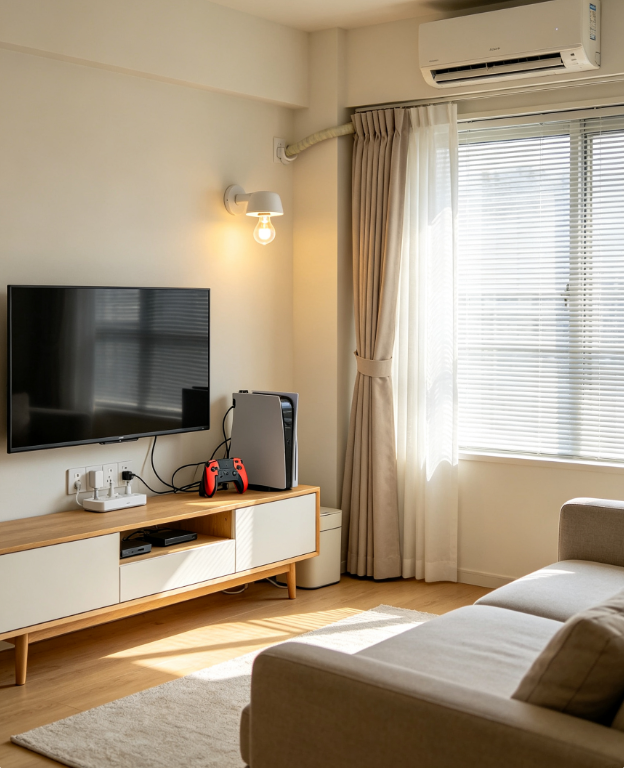
No-damage electricity saving hacks for lighting & appliances. Lighting is one of the largest daily electricity drains in small apartments. Traditional incandescent bulbs consume excessive power and generate unnecessary heat. Renters cannot replace fixed light fixtures, but swapping out bulbs for energy-efficient LED bulbs instantly cuts lighting power consumption with zero installation changes. LED bulbs fit all standard rental fixtures, produce less heat, and last far longer while remaining fully reversible at move-out. Beyond lighting, standby power waste costs renters significant money yearly. TVs, game consoles, kitchen appliances, and chargers draw phantom power 24/7 even when not in use. Using portable smart power strips to cut standby power eliminates this hidden electricity waste completely. Simply turning off unused devices instead of leaving them in sleep mode creates consistent monthly savings with zero cost.
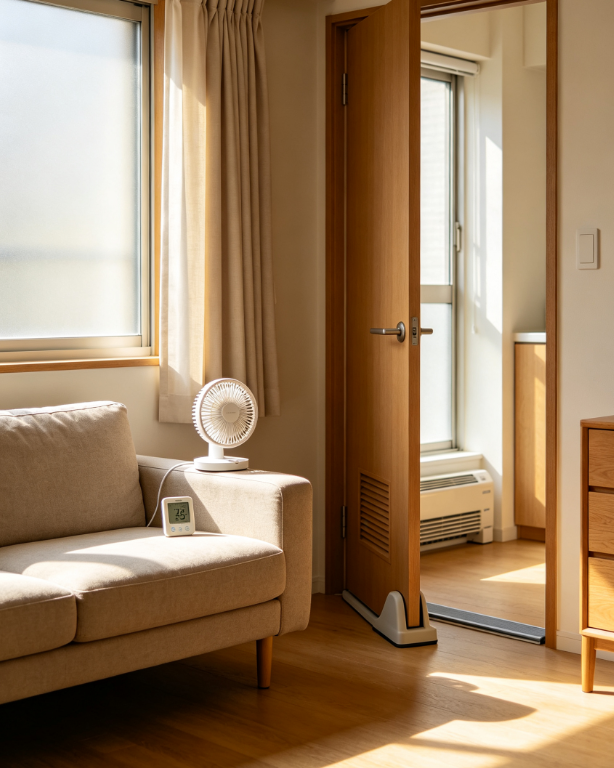
AC & heater energy optimization to slash power bills. Heating and cooling account for the largest portion of rental utility bills. Most renters run HVAC systems inefficiently, overworking units while allowing conditioned air to escape through window gaps, door leaks, and uninsulated walls. Permanent insulation and HVAC upgrades are off-limits for tenants, but temporary reversible solutions boost climate control efficiency. Removable window insulation films, thermal curtains, and door draft stoppers prevent heated and cooled air from escaping, reducing how often your AC or heater runs. Simple thermostat habits also save massive energy: keeping temperatures moderate instead of extreme, utilizing fan circulation to distribute air evenly, and closing doors of unused rooms to contain conditioned air. These lease-safe adjustments reduce HVAC load without any unit modifications.
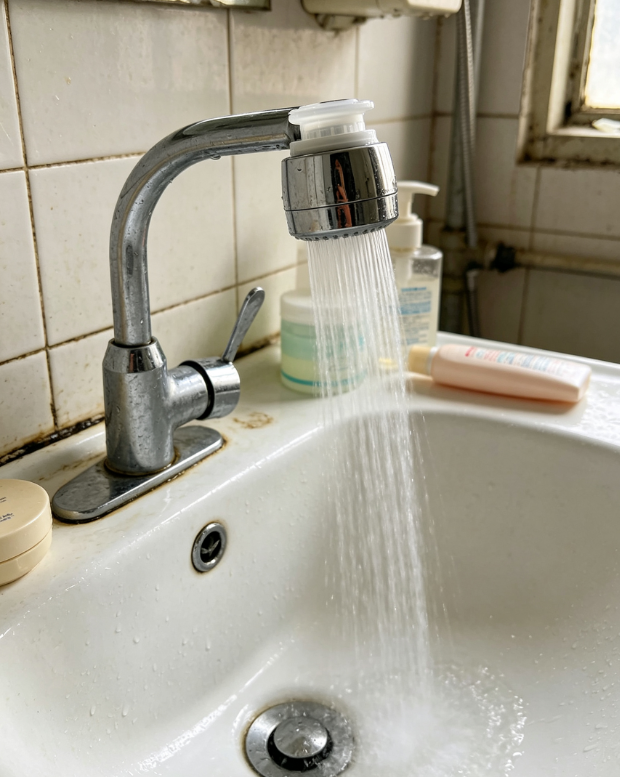
Renter-safe water-saving tips for bathroom & kitchen waste. Rental bathrooms and kitchens are major sources of wasted water. Older rental faucets and showerheads have unregulated high water pressure, causing excessive running water during daily use. Tenants cannot replace fixed plumbing fixtures, but temporary water-saving aerators and pressure regulators reduce water flow without altering original hardware. These small, removable accessories screw on and off easily, lowering hot water consumption and cutting water heating electricity costs. Simple daily habits further reduce waste: turning off water while brushing teeth, taking shorter showers, only running dishwashers and washing machines with full loads, and fixing minor faucet drips with temporary sealers. Eliminating continuous small water leaks prevents gallons of wasted water monthly.
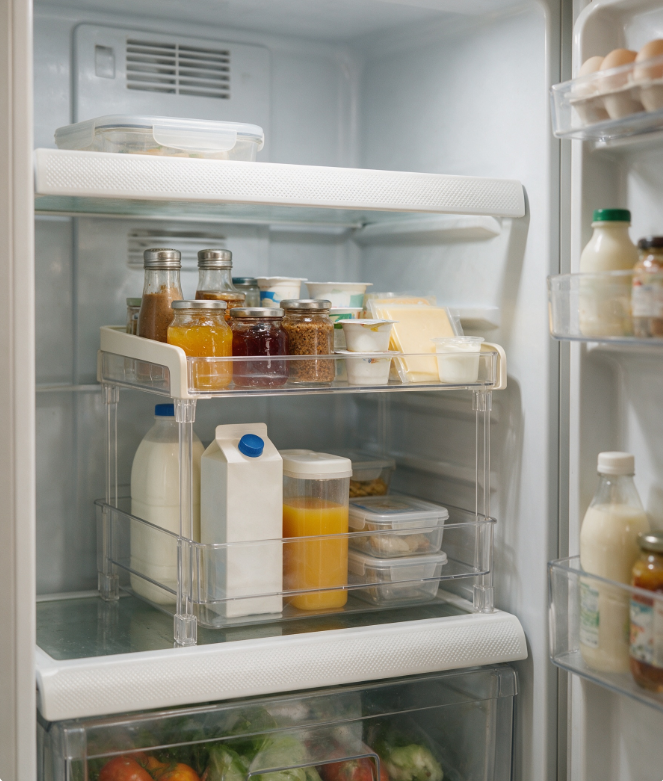
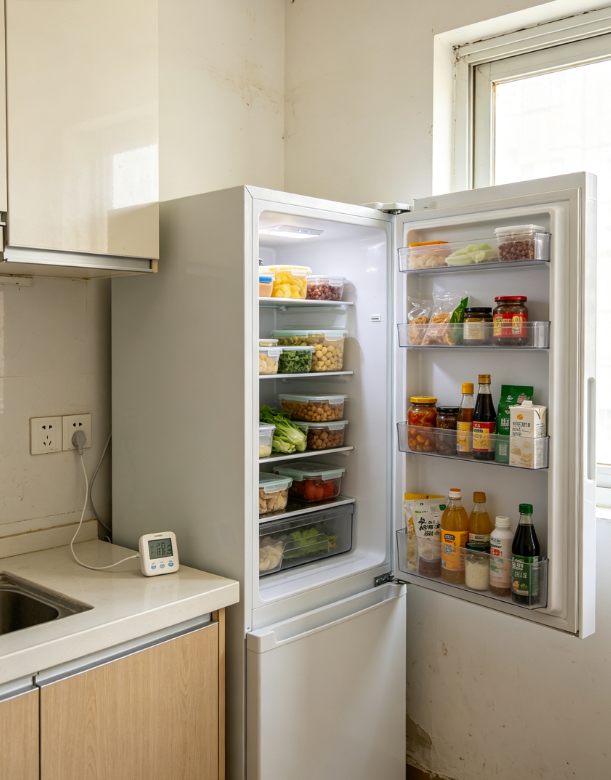
Refrigerator & kitchen appliance efficiency tricks. Old rental refrigerators often run nonstop and consume excess electricity due to poor internal circulation and warm air seepage. Loose door seals and overstuffed fridge interiors force cooling units to overwork constantly. Renters can clean fridge gaskets regularly to restore tight seals, organize interiors to improve cold airflow, and avoid placing hot food directly inside. Keeping fridges slightly full (but not overcrowded) helps maintain stable cold temperatures with less power. Avoiding blocking appliance ventilation grilles also prevents overheating and excessive energy consumption for all kitchen devices.
Seasonal utility adjustment routines for year-round savings. Utility waste changes drastically with seasons, and renter-friendly seasonal tweaks maintain efficiency all year long. In winter, sealing drafts and using passive solar heat from daytime sunlight reduces heater runtime. In summer, blocking solar heat gain with window films and blackout curtains lowers AC dependency. Adjusting device usage according to natural temperature changes avoids over-reliance on electric heating and cooling systems, keeping utility bills low throughout every season.
Smart low-cost portable tools for maximum savings. Tenants can use affordable, fully reversible portable tools to monitor and reduce utility usage. Plug-in power meters track device consumption to identify energy-wasting appliances. Hygrometers monitor humidity to reduce unnecessary AC and dehumidifier usage. Water flow testers help track daily water waste. All tools require no installation, no wiring changes, and leave zero damage, making them perfect for temporary rental use and reusable for future apartments.
Move-out utility reset routine (100% compliant). Remove all temporary faucet aerators and flow regulators. Replace original light bulbs if swapped. Take down window films and draft stoppers. Reset smart power strips and portable utility tools. Restore all fixtures, windows, and appliances to their original landlord-standard condition with zero modifications or damage.
All utility-saving methods are lease-safe and reversible. Every energy-saving bulb, power strip, temporary insulator, water-saving accessory, and daily habit requires no drilling, no permanent installation, no plumbing or electrical changes, and no structural alterations. All adjustments are fully temporary, removable, residue-free, and designed to protect your security deposit.
Overall, renters do not need expensive home renovations or appliance upgrades to drastically lower monthly utility bills. With smart lighting upgrades, standby power elimination, optimized HVAC usage, water-saving habits, and seasonal efficiency tweaks, any rental apartment can achieve significantly lower electricity and water waste. These budget-friendly, non-destructive utility-saving tips reduce monthly living expenses, extend appliance lifespans, support eco-friendly living, and help renters save money long-term while fully complying with all rental lease rules and building policies.