Renter-Friendly Noise Reduction Hacks (No-Drill, Non-Damaging Apartment Soundproofing)
Noisy rental apartments are one of the most common and frustrating problems for modern tenants. Thin apartment walls, hollow entry doors, single-pane windows, and shared floor/ceiling structures allow loud neighbor chatter, footsteps, furniture dragging, traffic noise, and late-night music to invade your living space constantly. Unlike homeowners who can install permanent soundproof drywall, insulated windows, acoustic wall panels, and floating ceiling systems, renters face strict lease rules that ban drilling, wall alterations, permanent installations, and structural upgrades. Many traditional soundproofing methods involve glued foam panels, drilled mounting hardware, and permanent wall treatments that peel paint, leave holes, and cost hundreds in security deposit fees. However, tenants do not need permanent renovations to enjoy quieter living spaces. Fully removable, non-damaging renter-friendly noise reduction hacks block airborne sound, muffle impact noise, and soften echo without a single permanent modification to your rental unit.
Understanding apartment noise types & common renter mistakes. To effectively quiet a noisy apartment, renters must distinguish between two main rental noise issues: airborne noise and impact noise. Airborne noise includes voices, television sound, traffic, music, and pet barking that travels through wall and window gaps. Impact noise includes upstairs footsteps, dropped objects, furniture sliding, and floor vibration that transmits through building structures. Many renters waste money on thin foam stickers and basic wall decals that fail to block low-frequency vibration noise. Others make lease-breaking mistakes by stapling fabrics, drilling acoustic panels, or using heavy permanent adhesives that damage surfaces. The core principle of renter-safe soundproofing is gap sealing, soft material layering, vibration absorption, portable acoustic treatment, and zero structural damage.
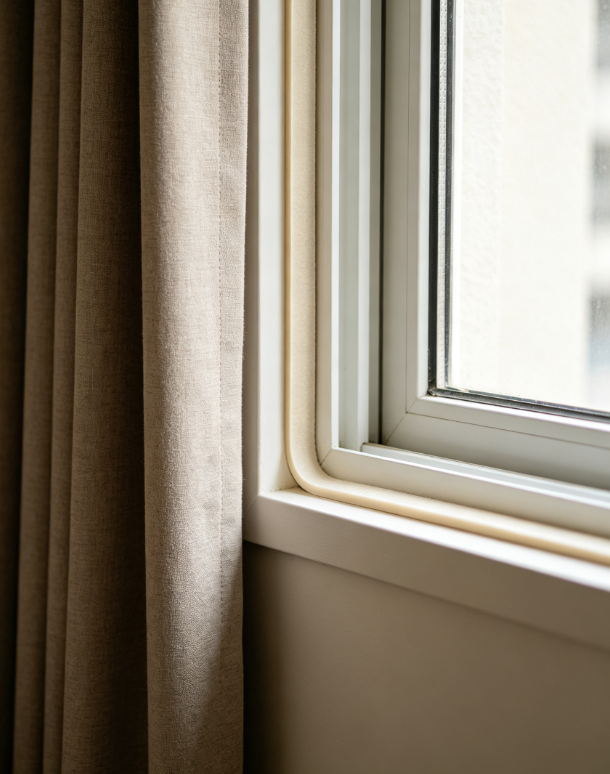
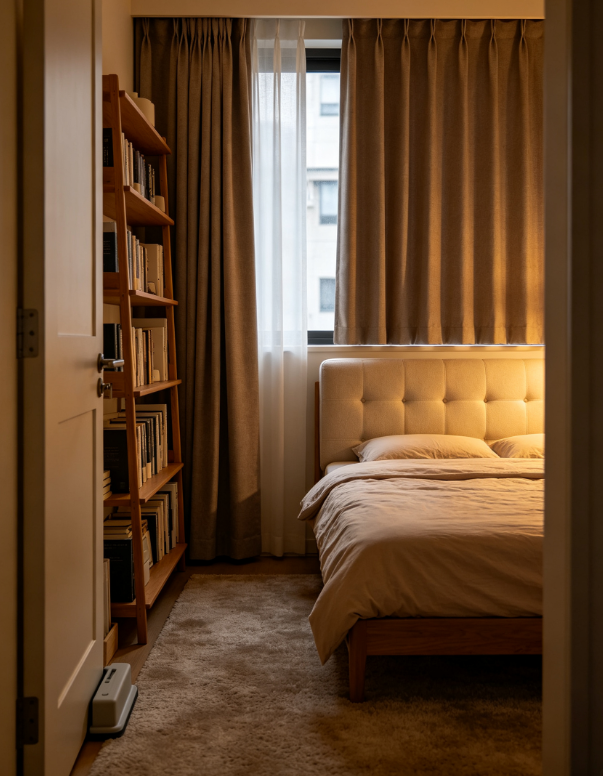
Window noise blocking for traffic & outdoor sound. Windows are the weakest sound barrier in any rental apartment. Thin glass and loose window seals allow the majority of outdoor street noise, wind sound, and neighborhood chatter to enter rooms. Renters cannot replace windows or install permanent double-glazing insulation, but temporary layered window treatments drastically reduce sound transmission. Thick triple-layer thermal acoustic curtains with dense fabric lining absorb outdoor noise and block sound wave penetration. Removable window gap seals and foam weatherstripping plug tiny frame cracks where sound leaks indoors. These lease-safe solutions attach without glue or drilling and peel off cleanly at move-out, significantly lowering daytime and nighttime outdoor noise pollution.
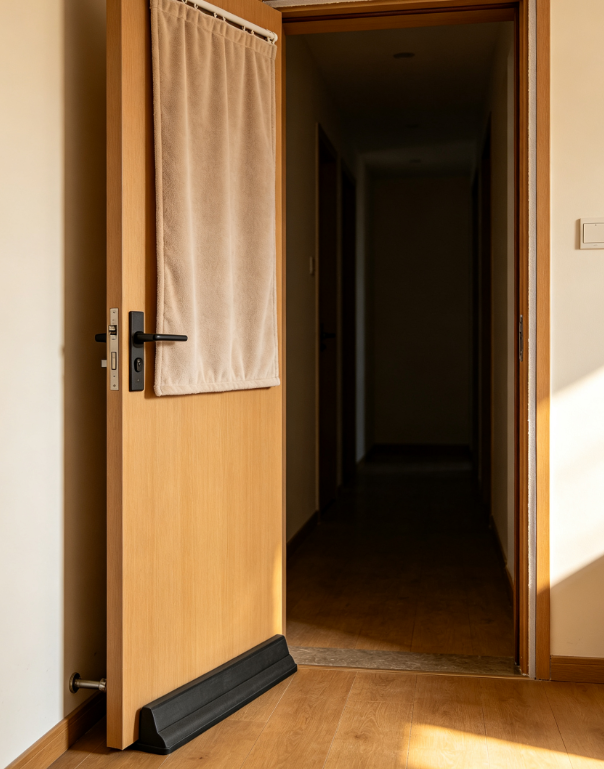
Door soundproofing for hallway & neighbor noise. Hollow rental entry doors and loose door gaps are major hidden noise sources. Hallway echoes, neighbor conversations, elevator noise, and walking sounds easily penetrate thin doors and open bottom gaps. Permanent door replacements and fixed door insulation are prohibited for renters, but temporary door blockers create instant sound barriers. Weighted door draft stoppers seal floor gaps to block traveling hallway noise. Removable door acoustic fabric covers and soft adhesive gap buffers muffle hollow door vibration sounds. All door noise solutions are fully removable, leave no residue, and require zero tool installation.
Wall noise softening for thin shared walls. Thin drywall shared walls between apartments make neighbor voices, TV noise, and indoor activity sounds extremely audible. Tenants cannot add permanent wall insulation or mounted acoustic panels, but portable, freestanding sound-absorbing furniture and decor soften wall echo and reduce sound transmission. Tall bookshelves filled with books, thick fabric headboards, large upholstered furniture, and heavy hanging textiles create dense acoustic buffer zones against noisy shared walls. Freestanding acoustic room dividers also block direct sound waves without any wall attachment. These strategic furniture layouts absorb bouncing indoor noise and weaken incoming neighbor sound effectively.
Floor noise absorption for echo & downstairs noise. Bare hardwood, tile, and laminate floors create strong acoustic echo and amplify indoor noise. Loud footsteps, chair sliding, and dropped items also generate impact noise that disturbs downstairs neighbors, leading to rental complaints. Renters cannot install permanent carpet or underlayment, but thick high-pile area rugs, non-slip rug pads, and soft floor mats absorb vibration and muffle sharp sound. Covering high-traffic floor areas reduces both outgoing impact noise and incoming reflected room echo, creating a quieter, calmer indoor environment.
Ceiling noise relief for upstairs footsteps. Upstairs walking noise, furniture dragging, and dropped objects are the most disruptive rental noise issues. Since tenants cannot modify ceilings or install permanent ceiling soundproofing, indirect portable solutions reduce perceived ceiling noise. Placing tall fabric plants, thick wall tapestries, and large upholstered furniture below noisy ceiling zones helps diffuse sound reflection. White noise machines and portable sound conditioners mask inconsistent upstairs impact noise by creating steady, neutral background sound that disrupts harsh noise peaks.
Acoustic layout tweaks to reduce room echo. Empty rooms with hard surfaces create loud echo and amplify all indoor noise. Simple renter-friendly layout adjustments improve room acoustics instantly. Adding layered soft textiles including curtains, rugs, cushions, and blankets increases sound absorption. Breaking up empty wall and floor space with varied furniture placements stops sound wave bouncing. Keeping fabric-based decor and soft furnishings evenly distributed eliminates dead echo zones without permanent changes.
Move-out noise treatment reset routine. Remove all temporary window and door gap seals gently. Take down acoustic curtains and portable fabric treatments. Relocate sound-absorbing furniture and room dividers. Restore all walls, doors, windows, and floors to their original bare condition with zero residue or damage.

All noise reduction upgrades are 100% lease compliant. Every acoustic curtain, gap seal, floor mat, furniture layout tweak, and portable sound device requires no drilling, no permanent adhesion, no structural modification, and no building fixture changes. All soundproofing methods are temporary, reversible, residue-free, and security-deposit safe.
Overall, renters do not need expensive construction or professional soundproofing renovations to fix noisy apartments. With targeted window and door noise blocking, shared wall acoustic buffering, floor vibration absorption, and smart room layout optimization, any loud, echoey rental apartment can become significantly quieter and more peaceful. These budget-friendly, non-destructive noise reduction hacks minimize outdoor traffic sound, neighbor disturbances, and indoor echo, improving sleep quality, focus, and home comfort while fully complying with all rental lease terms.