Renter-Friendly Energy Saving Hacks (No-Damage, No-Renovation Utility Bill Reduction)
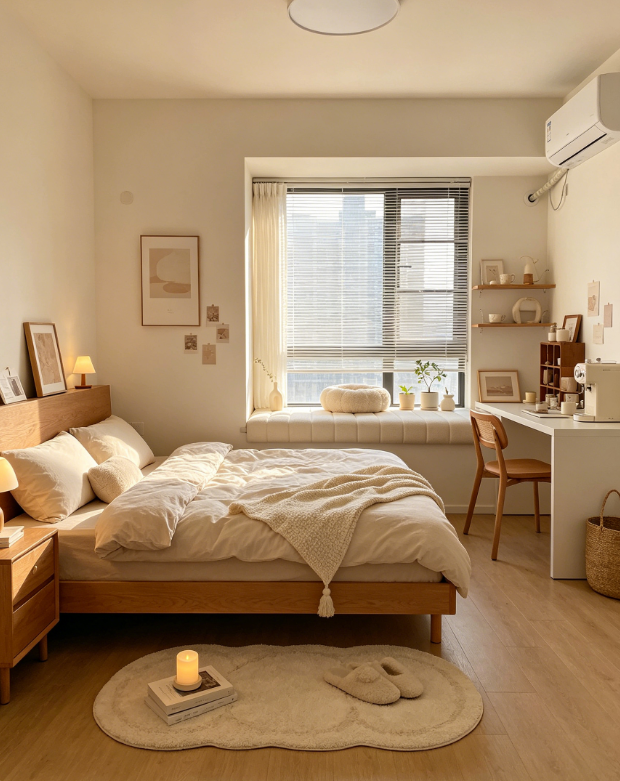
High utility bills are one of the biggest recurring financial burdens for apartment renters worldwide. Most rental homes feature outdated inefficient fixtures, leaky thermal envelopes, old HVAC systems, and standard lighting setups that waste massive amounts of electricity, gas, and water every month. Unlike homeowners who can upgrade insulation, replace windows, install smart thermostats, swap out old appliances, and renovate plumbing systems for efficiency, renters face strict lease rules that forbid permanent fixture changes, wiring modifications, structural upgrades, and appliance replacement. Many tenants feel powerless against sky-high utility costs, believing they have no control over outdated rental hardware. However, most apartment energy waste does not stem from faulty building systems alone—it comes from poor daily habits, unaddressed energy leaks, and inefficient temporary setups that accumulate massive monthly waste. Fortunately, fully removable, non-destructive renter-friendly energy-saving hacks slash electricity, gas, and water bills significantly without any permanent renovations, fixture replacements, or security deposit risks.
The biggest energy-wasting mistakes renters make are ignoring phantom power drain and unoptimized temperature control. Most tenants leave electronics plugged in 24/7, allowing standby power devices—televisions, chargers, gaming consoles, kitchen appliances, and smart devices—to drain continuous phantom electricity. Many renters also crank heaters and air conditioners to extreme settings instead of fixing hidden air leaks, resulting in nonstop system operation with minimal temperature gain. Another common error is inefficient natural light usage, over-reliance on artificial lighting during daytime, and running water unnecessarily during daily routines. Attempting permanent energy upgrades like new light fixtures, hardwired smart thermostats, or sealed wall insulation violates rental agreements and causes property damage. The core principle of renter-safe energy saving is phantom power elimination, passive temperature regulation, smart habit optimization, temporary leak sealing, and zero structural modification.
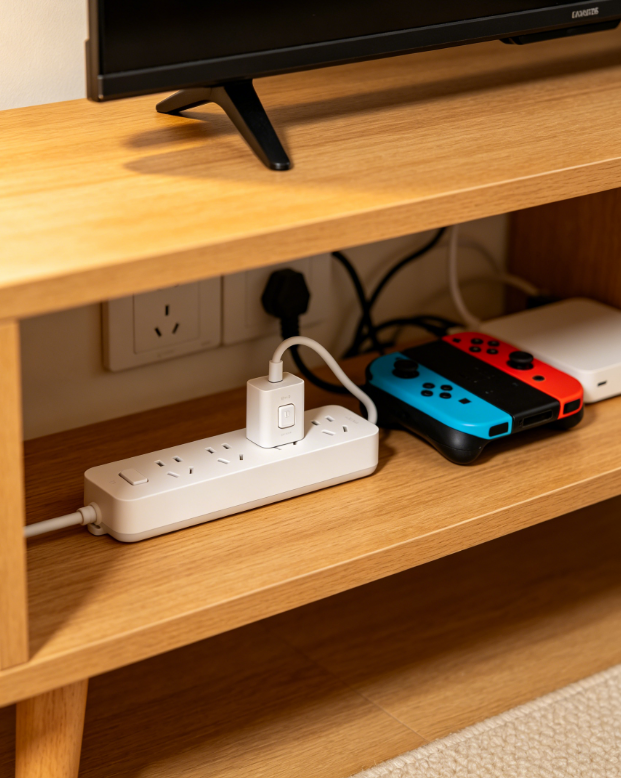
Smart power strip usage to eliminate phantom energy drain. Phantom standby power accounts for up to 15% of residential apartment electricity waste. Traditional wall outlets provide constant power to idle electronics, even when devices are turned off. Renters cannot modify wall outlets or wiring, but affordable smart and surge-protecting power strips completely solve this issue. Group related devices on dedicated power strips and turn off the strip entirely when not in use, cutting all standby power to televisions, gaming setups, kitchen appliances, and office electronics instantly. Timer-controlled power strips automate energy saving, eliminating forgotten idle power waste without any electrical installation or wall changes.
Passive heating & cooling hacks to reduce HVAC reliance. Running heaters and air conditioners nonstop is the single largest utility expense for renters. Instead of adjusting thermostat temperatures drastically, tenants can use passive, no-drill methods to stabilize indoor temperatures. In winter, open curtains during sunny daytime hours to capture free solar heat and close thermal curtains at night to trap indoor warmth. In summer, block harsh midday sunlight with light-filtering window coverings to prevent indoor overheating and reduce AC runtime. Portable floor fans and air circulators distribute hot and cold air evenly, allowing thermostats to run less frequently while maintaining consistent room comfort.
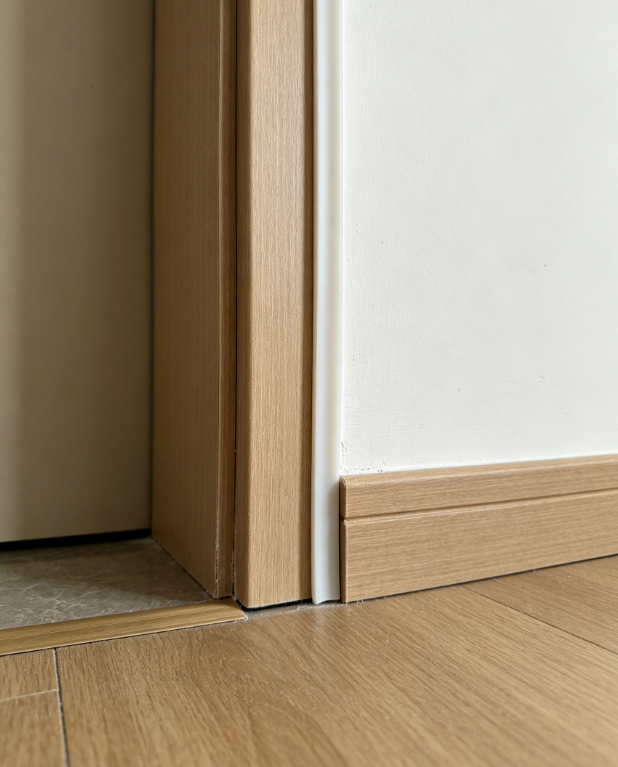
Removable window & door air leak sealing. Hidden air gaps around windows, door frames, and baseboards force heating and cooling systems to work overtime to compensate for escaping treated air. Permanent caulking and structural sealing are prohibited for renters, but temporary peel-and-stick weatherstripping, foam gap fillers, and window insulation film seal all leak points effectively. These low-cost, fully removable blocks stop cold air intrusion in winter and cool air escape in summer, drastically cutting HVAC energy consumption without damaging walls, frames, or paint.
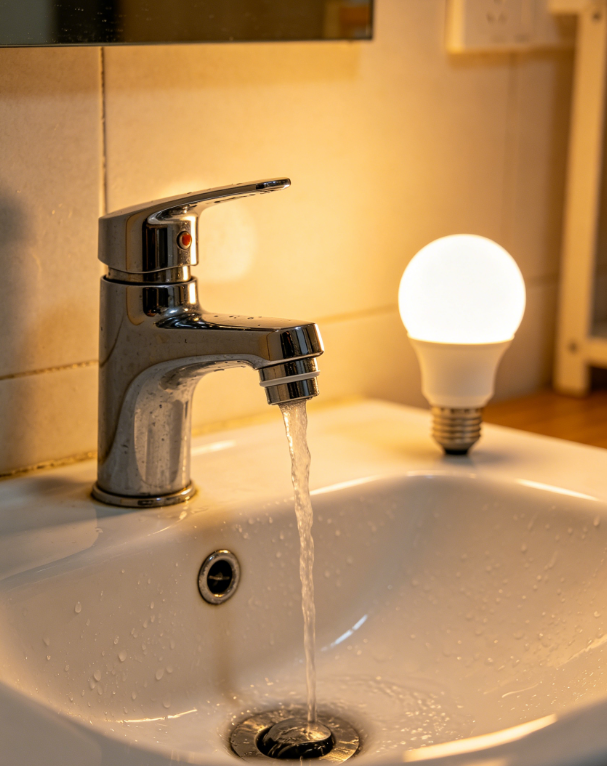
Low-energy portable lighting upgrades. Most rental apartments come with harsh, power-hungry incandescent or fluorescent overhead lights that waste excess electricity and generate unnecessary heat. Renters cannot replace fixed ceiling fixtures, but portable LED bulbs, battery-powered task lights, and low-wattage floor lamps deliver brighter, more efficient lighting. Replacing high-power permanent fixture usage with targeted portable lighting reduces overall light energy waste significantly. LED accessories consume a fraction of traditional power, last longer, and produce less indoor heat to avoid overworking cooling systems.
Water-saving renter-safe tricks for lower water bills. Hot water usage drives both water and gas/electric utility costs for renters. Simple temporary adjustments drastically reduce waste without plumbing modifications. Low-flow portable shower heads, faucet aerators, and water-saving shower accessories reduce water flow volume while maintaining strong pressure, cutting hot water consumption instantly. Adopting shorter shower routines, turning off faucet water during hand washing and dish cleaning, and collecting cold tap water for plants further eliminate unnecessary water waste and lower monthly utility totals.
Portable smart temperature control tools. Many older rentals have outdated, inaccurate manual thermostats that cycle inefficiently and waste energy. Renters unable to install hardwired smart thermostats can use portable temperature monitors and plug-in smart HVAC adapters to track indoor temperature fluctuations and optimize runtime. These battery-powered devices require no wiring changes, provide precise energy usage data, and help tenants avoid over-conditioning empty rooms and wasted energy.
Renter-friendly daily energy-saving routine. Unplug all non-essential devices or switch off power strips nightly. Optimize natural light usage to avoid daytime artificial lighting. Seal window and door gaps seasonally for winter and summer protection. Adjust thermostat settings slightly higher in summer and lower in winter while using passive temperature hacks to maintain comfort. Turn off all temporary energy-saving accessories and remove sealants before move-out to restore original apartment conditions.
All energy-saving upgrades are 100% lease compliant. Every power strip, window seal, thermal covering, portable LED light, water-saving accessory, and temperature monitor requires no drilling, no wiring changes, no permanent adhesion, and no structural damage. All tools and hacks are fully removable, reusable, and residue-free for complete rental compliance and security deposit protection.
Overall, renters do not need expensive appliance upgrades or building renovations to slash monthly utility bills. With phantom power elimination, passive seasonal temperature control, temporary air leak sealing, efficient portable lighting, and water-saving habits, any rental apartment can achieve drastically lower energy consumption. These affordable, non-destructive energy-saving hacks reduce monthly living costs, minimize environmental waste, extend appliance lifespans, and help renters save hundreds of dollars every year without violating lease terms or damaging rental property.