Renter-Friendly Soundproofing Hacks (No-Drill, No-Damage Noise Reduction for Apartments)
Noise pollution is one of the top reasons renters break leases, move frequently, and struggle with sleep and focus in apartment living. Most rental units feature thin drywall, hollow entry doors, single-pane windows, uninsulated floors, and loose structural gaps that offer zero natural sound insulation. Unlike homeowners who can install permanent soundproof drywall, acoustic insulation, double-pane windows, solid core doors, and floor underlayment, renters are strictly forbidden from structural upgrades, drilling, wall modification, or permanent fixture installation. Street traffic noise, neighbor chatter, footstep noise from upstairs, pet barking, hallway echoes, and indoor room reverb create constant disruption for sleepers, remote workers, students, and light sleepers. Many traditional soundproofing solutions involve glued foam panels, drilled hanging systems, and permanent wall treatments that peel paint, leave residue, and result in massive security deposit deductions. Fortunately, fully removable, renter-safe soundproofing hacks block external noise, absorb internal echo, and drastically improve apartment quietness without a single permanent change to the rental property.
The biggest apartment noise mistakes renters make are ignoring sound leakage gaps and using ineffective hard decor. Most tenants believe thick furniture alone can block noise, but airborne sound travels through tiny unsealed cracks around windows, door frames, baseboards, and electrical outlets—these hidden gaps cause 60% of apartment noise infiltration. Many renters also keep hard, bare walls, empty floors, and thin window coverings that create sharp indoor echo and amplify outside sounds. Attempting DIY permanent soundproofing with spray foam, glued acoustic tiles, or drilled sound panels damages rental surfaces and violates standard lease policies. The core principle of renter-safe soundproofing is gap sealing, soft acoustic layering, vibration damping, echo absorption, and zero structural alteration.
Temporary gap sealing for noise leakage points. Tiny unsealed gaps are the primary culprit of persistent neighbor and street noise. Window perimeter cracks, door frame gaps, baseboard seams, and wall fixture openings let airborne sound waves penetrate freely into living spaces. Permanent caulking and structural sealing are not allowed for renters, but removable foam weather stripping, soft gap filler strips, and peel-and-stick acoustic seals block sound leakage completely. These flexible temporary fillers fit uneven wall and frame gaps, reduce incoming noise transmission, and peel off cleanly without damaging paint or wood surfaces during move-out.
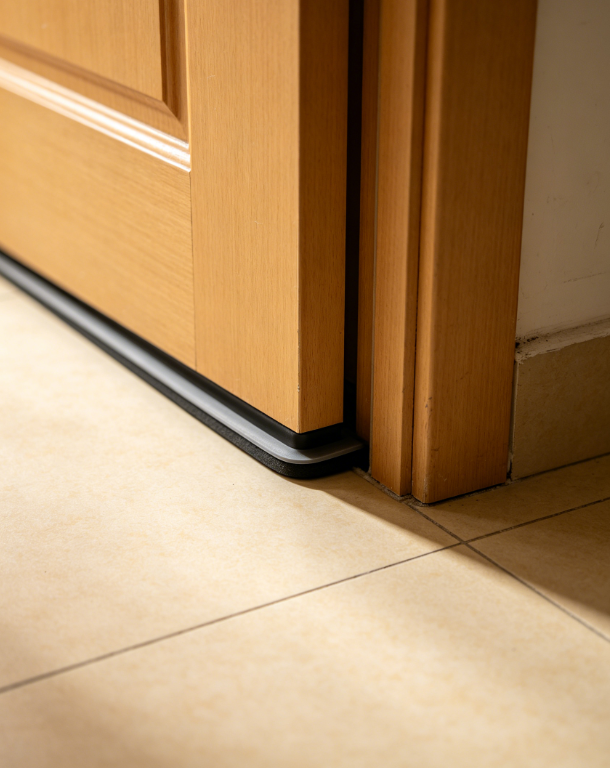
Renter-safe door soundproofing solutions. Hollow rental entry doors and bedroom doors offer almost no noise resistance, letting hallway chatter, building echoes, and corridor traffic noise flood indoors. Renters cannot replace doors or install permanent door panels, but thick reusable door draft noise stoppers and removable door acoustic liners add dense sound-absorbing layers. Adjustable bottom door blockers seal the largest sound gap instantly, while soft fabric door covers dampen door vibration and airborne noise transmission. All solutions hang or slide on without drilling, screws, or adhesive residue.
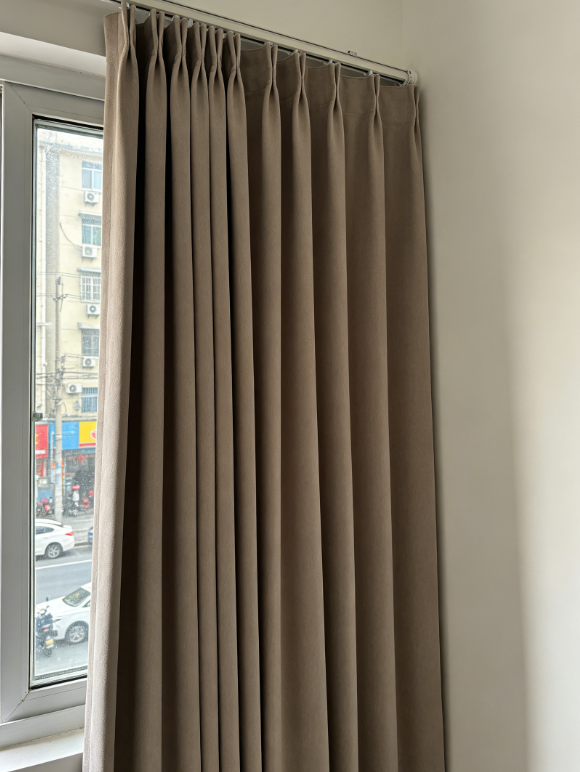
Acoustic layered window treatments for street noise reduction. Single-pane rental windows are the weakest sound barrier in any apartment, allowing traffic noise, pedestrian chatter, and outdoor wind noise to dominate indoor environments. Permanent window upgrades are impossible for tenants, but triple-layer thick thermal acoustic curtains deliver powerful noise-dampening effects. Heavy dense fabric absorbs high-frequency street noise, reduces glass vibration, and blocks sound waves from penetrating indoors. Tension curtain rods and damage-free adhesive brackets require no wall drilling, making them fully lease-compliant. Closing curtains during nighttime hours drastically quieten bedrooms and living spaces.
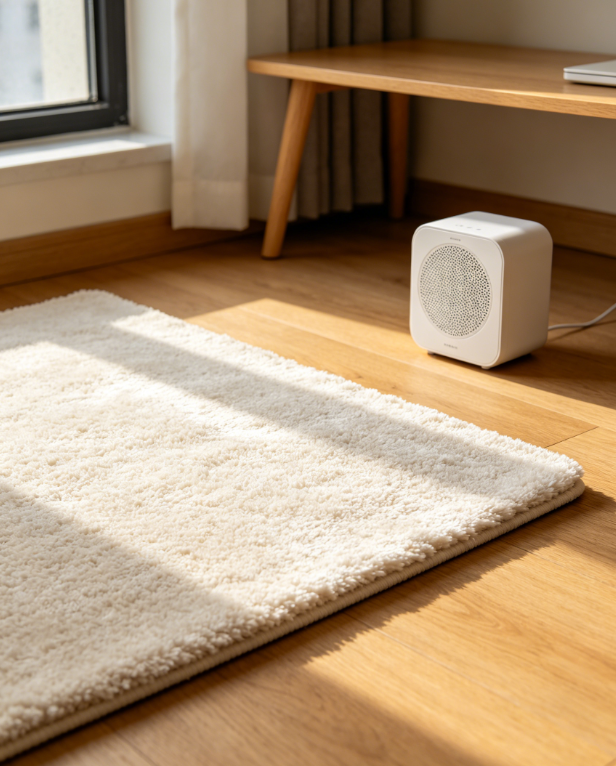
Floor noise insulation for upstairs echo & internal reverb. Hard tile and hardwood floors amplify indoor echo, magnify furniture movement sound, and reflect outside noise throughout the room. Thick plush area rugs, non-slip rug pads, and layered floor textiles absorb sound vibration and eliminate hollow room reverb. The dense padding under rugs dampens low-frequency noise, softens indoor acoustics, and makes entire rooms feel significantly quieter. All floor coverings are fully portable and require zero installation or floor modification.
Freestanding acoustic absorber panels & fabric furniture layering. Empty bare walls create hollow, echoey acoustics that make outside noise feel louder. Freestanding fabric acoustic panels, large upholstered furniture, padded headboards, and thick wall tapestries act as portable sound absorbers. Unlike glued foam tiles that damage paint, freestanding and tension-mounted acoustic decor softens wall reflection, reduces indoor reverb, and muffles incoming neighbor noise. Strategic furniture placement against noisy shared walls creates a buffered sound barrier without permanent construction.
Portable white noise machines for consistent sleep masking. Irregular sudden noises—door slams, neighbor pets, late-night chatter, and traffic peaks—disrupt sleep and focus even with physical soundproofing in place. Compact portable white noise machines generate consistent ambient sound that masks abrupt noise spikes, creating a stable quiet environment for sleeping, studying, and remote work. Battery and plug-in models require no installation and are fully movable between rooms.
Renter-friendly quiet lifestyle routine. Seal all window and door gaps before nighttime hours. Keep thick acoustic curtains closed during peak traffic noise. Place large upholstered furniture against shared walls to maximize sound buffering. Maintain open soft textile layers (rugs, cushions, blankets) to reduce indoor echo. Remove all temporary gap seals and acoustic accessories before lease termination to restore original apartment conditions.
All soundproofing upgrades are 100% lease compliant. Every gap strip, door blocker, acoustic curtain, rug pad, fabric panel, and white noise machine requires no drilling, no permanent adhesion, no wall alteration, and no structural damage. All noise-reduction solutions are fully removable, reusable, and residue-free to protect security deposits entirely.
Overall, renters do not need expensive construction or professional soundproofing renovations to enjoy a quiet apartment. With targeted gap sealing, door and window noise blocking, soft acoustic layering, floor vibration damping, and sound-masking devices, any noisy rental unit can become calm, quiet, and echo-free. These affordable, non-destructive soundproofing hacks reduce neighbor and street noise drastically, improve sleep quality, boost remote work focus, and create a peaceful home environment without violating rental lease rules.