Lisbon: Portugal’s Sun-Kissed Capital of Hills, Tile and Coastal Charm
Perched on seven rolling hills along Portugal’s Atlantic coast, Lisbon is a city that radiates warmth, history, and laid-back Mediterranean charm. As Portugal’s capital and oldest city, it blends centuries of maritime heritage with vibrant modern energy, offering visitors a perfect mix of old-world cobblestone streets, colorful tile-clad buildings, stunning viewpoints, and fresh coastal cuisine. With its mild climate, friendly locals, and breathtaking views of the Tagus River, Lisbon feels like a hidden gem—one that invites travelers to slow down, wander, and fall in love with its unpretentious beauty. Whether you’re riding a vintage tram up a steep hill, savoring a pastel de nata in a historic café, or watching the sunset over the river, Lisbon promises an unforgettable journey filled with warmth and character.
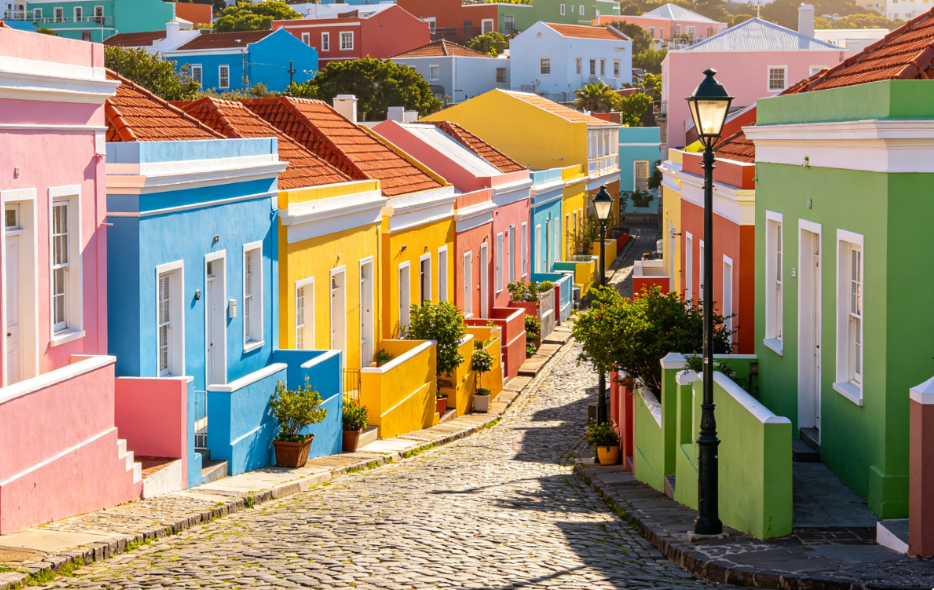
Lisbon’s most iconic feature is its network of hills, each offering unique views and distinct neighborhoods. The historic district of Alfama, the oldest part of the city, winds up one of these hills, with narrow cobblestone streets, whitewashed houses adorned with colorful tiles (azulejos), and hidden plazas lined with Fado bars. Fado, Portugal’s traditional melancholic music, is the soul of Alfama—locals and visitors gather in intimate bars to listen to singers accompanied by guitarists, their voices echoing through the narrow streets and capturing the essence of Lisbon’s history and emotion. A walk through Alfama leads to the São Jorge Castle, a medieval fortress perched on the highest hill, offering panoramic views of the city, the Tagus River, and the distant Atlantic Ocean.
No visit to Lisbon is complete without a ride on one of its vintage trams, which have become symbols of the city. Tram 28, in particular, is a beloved attraction, winding its way through the historic center, past iconic landmarks like the Rossio Square, the Praça do Comércio, and the Basilica da Estrela. The tram’s wooden interiors and clattering wheels add to the nostalgic charm, making it not just a mode of transportation but an experience in itself. Another iconic way to explore the hills is by funicular—such as the Bica Funicular, which climbs a steep slope to the Bairro Alto neighborhood, known for its lively nightlife, trendy bars, and stunning views.
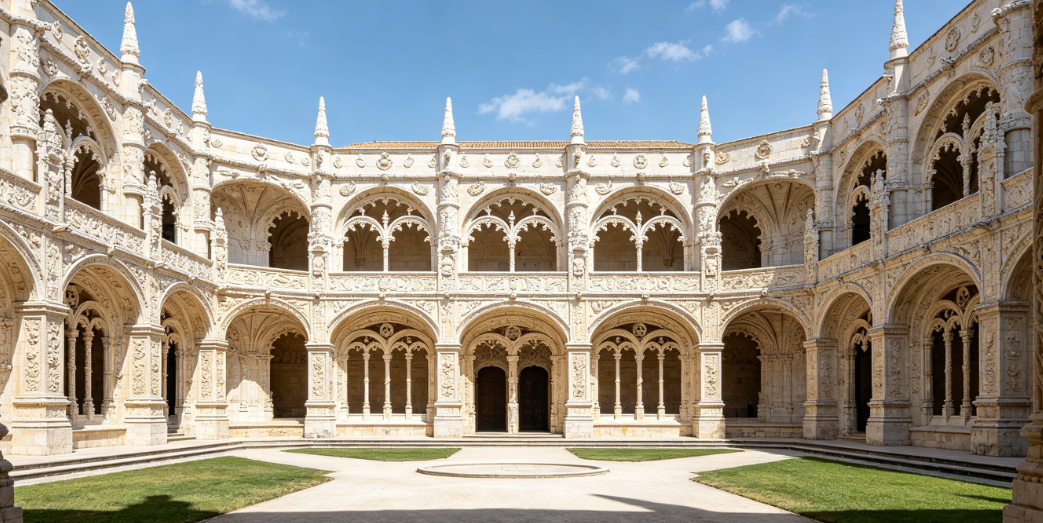
Lisbon’s architecture is a beautiful mix of styles, reflecting its rich history. The Praça do Comércio, a grand square facing the Tagus River, is lined with elegant 18th-century buildings, including the Arco da Rua Augusta, a triumphal arch that leads to the historic center. The Jerónimos Monastery, a UNESCO World Heritage Site, is a masterpiece of Manueline architecture—intricately carved stonework, maritime motifs, and grand arches that pay homage to Portugal’s Age of Discovery. Nearby, the Belém Tower, a fortified tower on the riverbank, was once a defense post and a departure point for explorers like Vasco da Gama, and its distinctive shape makes it one of Lisbon’s most recognizable landmarks.
Lisbon’s coastal location means fresh seafood is a staple of its cuisine, and the city is home to countless restaurants and taverns serving delicious local dishes. Pasteis de nata, Portugal’s famous custard tarts, are a must-try—crisp pastry shells filled with creamy custard, sprinkled with cinnamon and powdered sugar. You can taste the original at Pastéis de Belém, a historic bakery founded in 1837. Other local specialties include bacalhau (salted cod), prepared in dozens of ways, caldo verde (a hearty green soup with potatoes and chorizo), and grilled sardines, a summertime favorite served with bread and olive oil. Wash it all down with a glass of port wine, Portugal’s iconic fortified wine, or a crisp vinho verde (green wine) for a refreshing pairing.
Beyond the historic center, Lisbon’s neighborhoods each have their own unique vibe. Bairro Alto, perched on a hill, is lively and trendy, with narrow streets lined with bars, restaurants, and live music venues—perfect for exploring in the evening. Chiado, a more upscale neighborhood, is home to boutique shops, art galleries, and historic cafes like Café A Brasileira, a favorite haunt of poets and artists, including Fernando Pessoa. The Belem neighborhood, along the river, is a hub of history and culture, with the Jerónimos Monastery, Belém Tower, and the Padrão dos Descobrimentos (Monument to the Discoveries), a striking monument honoring Portugal’s explorers.
Lisbon also offers plenty of opportunities to relax and enjoy the outdoors. The Tagus River promenade, a long stretch of walkways along the river, is perfect for a leisurely stroll, bike ride, or picnic, with views of the river, bridges, and distant hills. The Jardim Botânico (Botanical Garden), founded in the 18th century, is a peaceful oasis in the city, with lush greenery, exotic plants, and quiet paths ideal for unwinding. For a day trip, head to Cascais, a charming coastal town just outside Lisbon, with beautiful beaches, a historic center, and a lively marina. Or visit Sintra, a UNESCO World Heritage Site known for its fairy-tale palaces, lush forests, and stunning mountain views.
What makes Lisbon truly special is its warm, laid-back atmosphere and the kindness of its people. Locals, known as lisboetas, are friendly and welcoming, always happy to help visitors navigate the city’s hills or recommend a hidden gem. The city’s slow pace encourages travelers to take their time—to wander the cobblestone streets, savor a pastry, listen to Fado, and soak in the sun. Whether you’re exploring its historic landmarks, indulging in delicious cuisine, or simply enjoying the views from a hilltop, Lisbon offers a sense of warmth and authenticity that is hard to find elsewhere. It’s a city that feels like home, a place where every corner holds a new discovery, and where the sun shines bright on its colorful streets and coastal beauty—truly a jewel of the Iberian Peninsula.