Kyoto: Japan’s Timeless City of Temples, Gardens and Traditional Elegance
Nestled in the Kansai region of Japan, Kyoto is a city that feels like a living museum, where ancient traditions, serene temples, and meticulously crafted gardens coexist in perfect harmony. For over 1,000 years, Kyoto served as Japan’s imperial capital, and its streets still echo with the elegance of a bygone era—from the rustle of kimono sleeves to the fragrance of matcha tea wafting from traditional tea houses. Unlike Japan’s bustling modern cities, Kyoto embraces slowness and mindfulness, inviting visitors to step into a world of tranquility, beauty, and cultural depth. Whether you’re wandering through a Zen garden, admiring a centuries-old temple, savoring authentic kaiseki cuisine, or watching a geisha glide through the streets of Gion, Kyoto offers an immersive journey into the heart of traditional Japanese culture, leaving you captivated by its timeless charm.
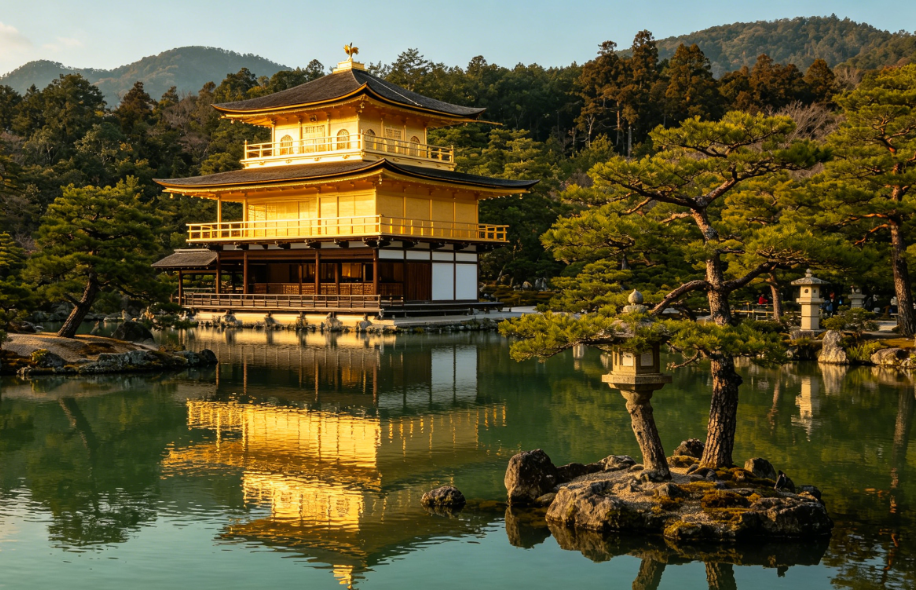
Kyoto is home to over 1,600 temples and shrines, each a masterpiece of Japanese architecture and spirituality. Kinkaku-ji (the Golden Pavilion), one of Kyoto’s most iconic landmarks, is a Zen temple covered in gold leaf, reflecting beautifully in the tranquil pond surrounding it. Built in the 14th century, this stunning structure embodies the elegance of Japanese design, with its tiered roofs and intricate details that glow in the sunlight. Another must-visit is Fushimi Inari Taisha, famous for its thousands of vermilion torii gates that wind up a forested mountain. Hiking through the gates—each donated by businesses and individuals—is a meditative experience, with the path leading to panoramic views of Kyoto. Kiyomizu-dera, a UNESCO World Heritage Site, is a wooden temple perched on a cliff, offering breathtaking views of the city and featuring a large wooden terrace that juts out over the hillside, built without a single nail.
Zen gardens are an integral part of Kyoto’s charm, designed to inspire calm and contemplation. Ryoan-ji Temple is home to one of the most famous rock gardens in the world—a simple yet profound arrangement of 15 rocks placed in a bed of white gravel, meant to be viewed from a seated position in the temple’s veranda. The garden encourages mindfulness, inviting visitors to reflect and find peace in the simplicity of the design. Another stunning garden is the one at Ginkaku-ji (the Silver Pavilion), a serene space with meticulously raked gravel, moss-covered rocks, and a small pond surrounded by maple trees that burst into vibrant red and gold in the autumn. These gardens are not just beautiful—they are a reflection of Japanese philosophy, emphasizing harmony with nature and the beauty of imperfection.
Gion, Kyoto’s most famous geisha district, is a place where traditional Japanese culture comes to life. The narrow, cobblestone streets of Gion are lined with wooden machiya (traditional townhouses), tea houses, and boutiques selling kimono and traditional crafts. In the early evening, you may spot geisha (or maiko, apprentice geisha) gliding through the streets, dressed in elaborate kimono, white makeup, and intricate hairstyles, on their way to appointments at tea houses. While photographing geisha is discouraged out of respect, simply observing them from a distance offers a glimpse into a world of grace and tradition. Gion is also home to beautiful temples and shrines, including Kennin-ji Temple, one of Kyoto’s oldest Zen temples, and Yasaka Shrine, which hosts the famous Gion Matsuri (Gion Festival)—one of Japan’s most important festivals, held every July.
Kyoto’s cuisine is a celebration of seasonal ingredients and meticulous preparation, with kaiseki being the pinnacle of traditional Japanese dining. Kaiseki is a multi-course meal that highlights the flavors of the season, with each dish beautifully presented to resemble a work of art. Dishes may include fresh sashimi, simmered vegetables, grilled fish, and miso soup, all made with the freshest local ingredients. Another must-try is matcha, a finely ground green tea that is central to Kyoto’s culture. You can enjoy matcha tea and traditional wagashi (Japanese sweets) at a tea house, where the tea ceremony is performed with ritualistic precision. Other local specialties include yudofu (tofu hot pot), a simple yet delicious dish popular in Kyoto’s temples, and obanzai (home-style Kyoto cuisine), which features hearty, comforting dishes made with seasonal vegetables.
Kyoto’s beauty changes dramatically with the seasons, making it a destination worth visiting year-round. In spring (March to May), the city is blanketed in cherry blossoms (sakura), with parks like Maruyama Park and Philosopher’s Path offering stunning views of the pink blooms. Cherry blossom viewing (hanami) is a beloved tradition, with locals and visitors alike picnicking under the trees. In autumn (October to November), Kyoto’s maple trees turn vibrant shades of red, orange, and gold, transforming the city into a sea of color. Places like Tofuku-ji Temple and Arashiyama Bamboo Grove are particularly beautiful during this time, with the bamboo stalks towering overhead and the maple leaves adding a splash of color. In winter, Kyoto occasionally sees snow, which dusts the temples and gardens, creating a magical, serene atmosphere. Summer brings warm weather and festivals, including the Gion Matsuri, which fills the streets with parades and celebrations.
Arashiyama, a district on the western outskirts of Kyoto, is a must-visit for its natural beauty and cultural attractions. The Arashiyama Bamboo Grove is a iconic spot, with towering bamboo stalks that create a peaceful, otherworldly atmosphere as the wind rustles through them. Nearby, Tenryu-ji Temple, a UNESCO World Heritage Site, features a stunning Zen garden and beautiful views of the surrounding mountains. The Togetsukyo Bridge, which crosses the Hozu River, offers picturesque views of the river and the mountains, and is a popular spot for photos. Arashiyama is also home to the Monkey Park Iwatayama, where you can interact with over 120 Japanese macaques, and the Okochi Sanso Villa, a beautiful garden and former residence of a famous actor, offering stunning views of the area.
What makes Kyoto truly special is its unwavering commitment to preserving its traditional culture while embracing subtle modernity. It’s a city where you can wear a kimono and walk through ancient temples in the morning, then enjoy a cup of matcha latte in a trendy café in the afternoon. The people of Kyoto are warm and respectful, taking pride in their city’s heritage and eager to share it with visitors. Whether you’re seeking tranquility in a Zen garden, admiring the beauty of a temple, savoring delicious cuisine, or immersing yourself in traditional culture, Kyoto offers an experience that is both authentic and unforgettable. It’s a city that slows you down, invites you to appreciate the beauty of the moment, and leaves you with memories of elegance, serenity, and the timeless magic of Japan.