Cape Town: South Africa’s Coastal Jewel of Mountains, Beaches and Diversity
Perched at the southern tip of Africa, where the Atlantic Ocean meets the Indian Ocean, Cape Town is a city of breathtaking contrasts and unparalleled natural beauty. Surrounded by dramatic mountains, pristine beaches, and lush winelands, it blends rich history, vibrant culture, and awe-inspiring landscapes into an unforgettable travel experience. Known as the “Mother City” of South Africa, Cape Town is a melting pot of cultures—African, European, and Asian—each contributing to its unique charm and energy. Whether you’re hiking the iconic Table Mountain, relaxing on a sun-drenched beach, exploring historic neighborhoods, or savoring world-class wine, Cape Town offers something for every traveler, leaving visitors captivated by its raw beauty and warm hospitality.
Table Mountain, Cape Town’s most iconic landmark, dominates the city’s skyline and is a UNESCO World Heritage Site. This flat-topped mountain, named for its table-like shape, offers panoramic views of the city, the ocean, and the surrounding landscapes. The easiest way to reach the summit is by the Table Mountain Aerial Cableway, a rotating cable car that glides up the mountain, providing stunning views along the way. Once at the top, visitors can hike along the plateau, explore rocky trails, or simply relax and take in the sweeping vistas—on clear days, you can even see as far as Robben Island and the distant Cape of Good Hope. For adventure seekers, hiking up the mountain via trails like Platteklip Gorge is a popular challenge, rewarding hikers with a sense of accomplishment and unbeatable views.
Cape Town’s coastline is a treasure trove of beautiful beaches, each with its own unique character. Camps Bay, often ranked among the world’s most beautiful beaches, is a stretch of white sand lined with palm trees and upscale restaurants, with the Twelve Apostles mountains as a dramatic backdrop. Here, you can swim in the cool Atlantic waters, relax on the sand, or enjoy a meal with a view of the ocean. Clifton Beach, a series of four small coves, is another popular spot, known for its calm waters and secluded atmosphere—perfect for families and those seeking a quieter beach experience. For surfers, Muizenberg Beach is a must-visit, with its gentle waves ideal for beginners and colorful beach huts adding a cheerful touch to the landscape.
Robben Island, a small island in Table Bay, is a powerful symbol of South Africa’s history and a UNESCO World Heritage Site. For decades, it was a prison where Nelson Mandela and other anti-apartheid activists were incarcerated, and today, it serves as a museum and memorial to the struggle for freedom. A ferry ride to the island offers stunning views of Table Mountain, and guided tours by former prisoners provide a moving insight into the island’s dark past and the resilience of those who fought for justice. The tour includes a visit to Mandela’s cell, where he spent 18 of his 27 years in prison, making it a deeply meaningful experience for visitors.
Cape Town’s winelands, located just a short drive from the city, are among the world’s most renowned wine regions. The Stellenbosch, Franschhoek, and Paarl valleys are home to hundreds of vineyards, many of which offer tastings and tours. These lush valleys, surrounded by mountains, produce world-class wines—particularly Sauvignon Blanc and Pinotage, South Africa’s signature red wine. A day trip to the winelands is a must for wine lovers, who can sample award-winning wines, learn about the winemaking process, and enjoy delicious food paired with local wines. Franschhoek, often called the “French Corner” of South Africa, is particularly charming, with its tree-lined streets, Cape Dutch architecture, and gourmet restaurants.
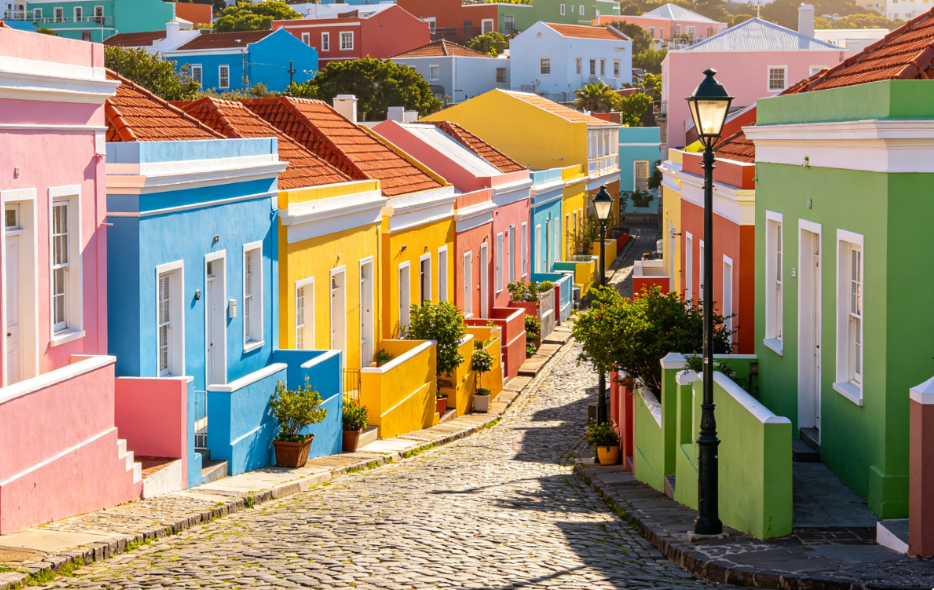
Cape Town’s neighborhoods are a reflection of its diverse culture, each with its own unique vibe. Bo-Kaap, a colorful neighborhood on the slopes of Signal Hill, is famous for its brightly painted houses in shades of pink, blue, yellow, and green—originally built by Malay slaves in the 18th century. Today, it’s a vibrant community with cobblestone streets, mosques, and local cafes, offering a glimpse into Cape Town’s Malay heritage. The V&A Waterfront, a bustling harbor area, is a popular spot for shopping, dining, and entertainment—with luxury boutiques, waterfront restaurants, and attractions like the Two Oceans Aquarium, which showcases the marine life of the Atlantic and Indian Oceans.
South African cuisine, influenced by diverse cultures, is a highlight of any trip to Cape Town. Braai, a traditional South African barbecue, is a beloved tradition—meats like boerewors (sausage), lamb chops, and steak are grilled over an open fire, often served with pap (maize porridge) and chakalaka (a spicy vegetable relish). For seafood lovers, fresh catches like kingklip, snoek, and mussels are widely available, often served with lemon and butter. Don’t miss bobotie, a classic South African dish made with minced meat, spices, and a creamy egg topping, or vetkoek, a fried dough bread filled with savory or sweet fillings. Wash it all down with a glass of local wine or a refreshing mampoer (a traditional fruit brandy).
What makes Cape Town truly special is its unparalleled natural beauty and its warm, diverse spirit. It’s a city where you can hike a mountain in the morning, relax on a beach in the afternoon, and enjoy a gourmet meal with wine in the evening. The people of Cape Town are friendly and welcoming, proud of their city’s history and natural wonders. Whether you’re exploring the rugged coastline, learning about South Africa’s past, savoring local cuisine, or simply taking in the views of Table Mountain, Cape Town offers an experience that is both awe-inspiring and authentic. It’s a city that captures the heart, inspires adventure, and leaves visitors with memories that will last a lifetime—truly a jewel of the African continent.