Kyoto: Japan’s Timeless City of Temples, Gardens and Traditional Elegance
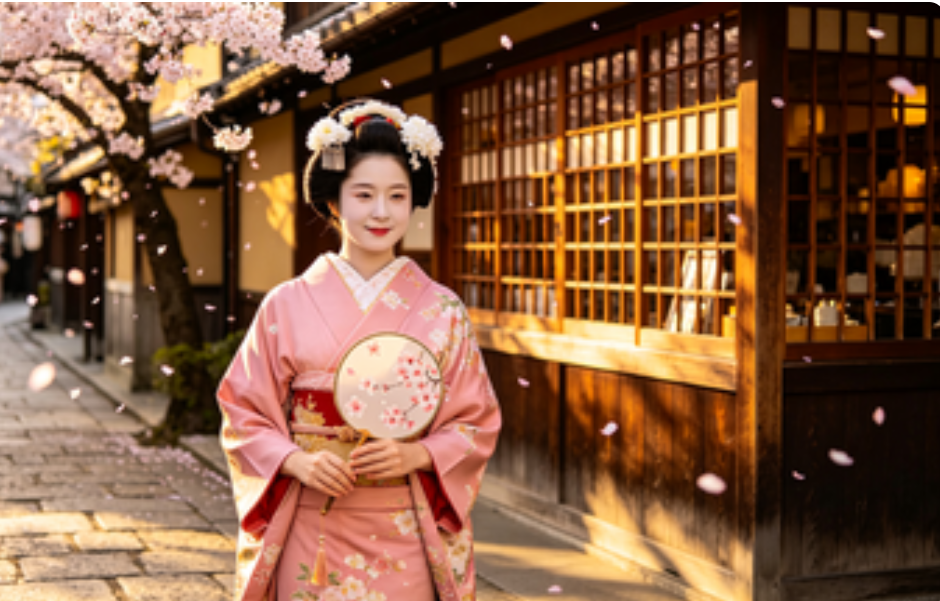
Nestled in the Kansai region of Japan, Kyoto is a city that feels like a living museum, where ancient traditions, serene temples, and meticulously crafted gardens coexist in perfect harmony. For over a thousand years, Kyoto served as Japan’s imperial capital, and its streets still bear the mark of centuries of history, art, and culture. Unlike the bustling modernity of Tokyo, Kyoto exudes a quiet elegance—where geisha glide through wooden machiya streets, cherry blossoms paint the city in pink each spring, and the changing seasons transform its landscapes into breathtaking works of art. Whether you’re exploring its iconic temples, wandering through tranquil gardens, or savoring traditional kaiseki cuisine, Kyoto offers a journey into the heart of Japan’s rich cultural heritage, leaving visitors enchanted by its timeless charm.
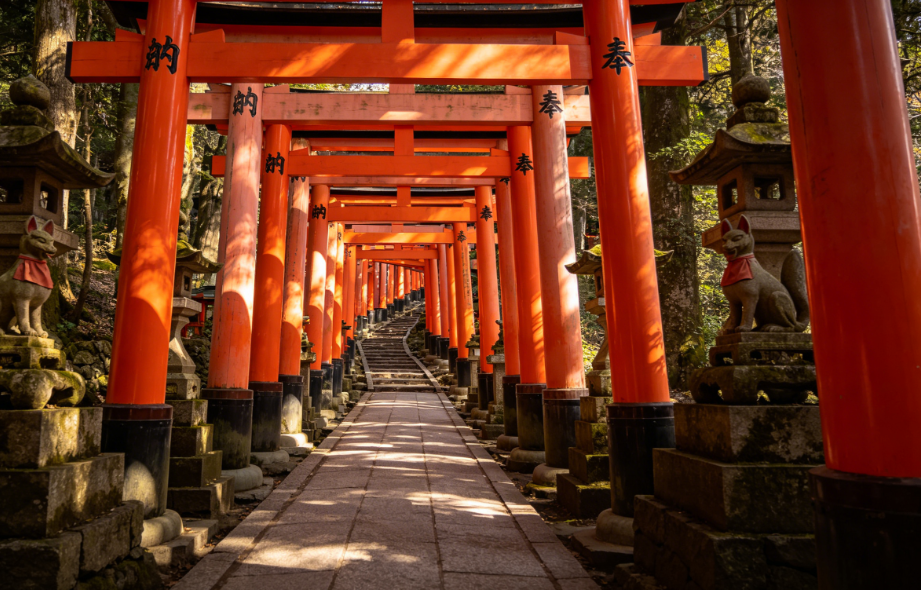
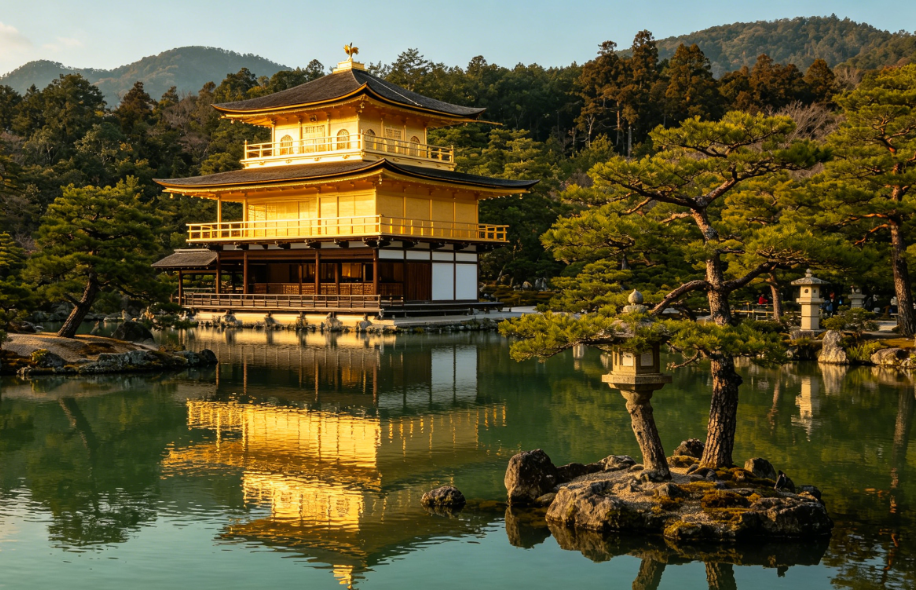
Kyoto is home to over 1,600 temples and shrines, each with its own unique beauty and significance. Kinkaku-ji, also known as the Golden Pavilion, is one of the city’s most iconic landmarks. This Zen temple, covered in gold leaf, reflects perfectly in the tranquil pond surrounding it, creating a scene straight out of a fairy tale. The temple’s gold exterior symbolizes enlightenment, and its serene setting—with carefully manicured gardens and stone lanterns—invites visitors to slow down and embrace the peace of Zen Buddhism. Another must-visit is Fushimi Inari Taisha, famous for its thousands of vermilion torii gates that wind up the sacred Mount Inari. Hiking through the torii gates, which are donated by businesses and individuals, is a surreal experience, with the path leading past shrines, fox statues (considered messengers of the gods), and stunning views of Kyoto below.
Kiyomizu-dera, a UNESCO World Heritage Site, is another architectural masterpiece that showcases Kyoto’s traditional beauty. Perched on a wooden terrace carved into the side of a mountain, this Buddhist temple offers panoramic views of the city, especially stunning during cherry blossom season (spring) and autumn, when the leaves turn vibrant shades of red and gold. The temple’s main hall, with its wooden pillars and open-air design, is a marvel of traditional Japanese architecture—no nails were used in its construction, a testament to the skill of ancient craftsmen. Inside, visitors can drink from the spring water, said to bring good luck, and admire the temple’s beautiful gardens and statues.
Kyoto’s gardens are works of art in themselves, designed to reflect the beauty of nature and promote peace and contemplation. Ryoan-ji Temple is home to Japan’s most famous rock garden, a minimalist masterpiece consisting of 15 rocks arranged in a bed of white gravel. The garden is meant to be viewed from a wooden veranda, and its design encourages meditation, with visitors invited to interpret the arrangement of rocks in their own way. Ginkaku-ji, or the Silver Pavilion, boasts a stunning sand garden (kare-sansui) and a moss garden, where lush green moss covers the ground, creating a serene and otherworldly atmosphere. The garden’s path winds past ponds, stone bridges, and carefully pruned trees, offering a peaceful escape from the city’s quiet bustle.
No visit to Kyoto is complete without experiencing its traditional culture, and the Gion district is the perfect place to immerse yourself in the world of geisha and maiko (apprentice geisha). Gion’s narrow wooden streets, lined with traditional machiya houses (wooden townhouses), are often filled with geisha and maiko, dressed in elaborate kimono, white makeup, and intricate hairstyles, as they head to tea houses for performances. While it’s important to respect their privacy (photography is often discouraged without permission), simply walking through Gion offers a glimpse into a bygone era. For a deeper understanding, visit the Gion Corner, where you can watch traditional performances such as tea ceremony, koto (traditional string instrument), and dance.
Kyoto’s cuisine is a celebration of seasonal ingredients and meticulous preparation, with kaiseki being the pinnacle of traditional Japanese dining. Kaiseki is a multi-course meal that highlights the flavors of the season, with each dish carefully presented to resemble works of art. Dishes may include fresh sashimi, simmered vegetables, grilled fish, and delicate desserts, all made with local, seasonal ingredients. For a more casual experience, try yudofu (tofu hot pot), a Kyoto specialty made with soft, silken tofu simmered in a clear dashi broth, often served with soy sauce and green onions. Don’t miss matcha (green tea) in all its forms—from matcha tea to matcha desserts like parfaits, mochi, and wagashi (traditional Japanese sweets), which are the perfect complement to Kyoto’s serene atmosphere.
Kyoto’s beauty changes with the seasons, making it a destination worth visiting year-round. Spring (March to May) brings cherry blossoms, with spots like Maruyama Park and Philosopher’s Path (Tetsugaku-no-Michi) offering stunning views of pink blossoms lining the streets and canals. Summer (June to August) is hot and humid, but it’s also the season of festivals, including the Gion Matsuri, one of Japan’s most famous festivals, featuring elaborate floats and traditional performances. Autumn (September to November) is a highlight, with the leaves turning vibrant red, orange, and gold—Kiyomizu-dera, Tofuku-ji Temple, and Arashiyama Bamboo Grove are among the best spots to admire the autumn foliage. Winter (December to February) is quiet and serene, with occasional snowfall adding a magical touch to the temples and gardens.
What makes Kyoto truly special is its ability to preserve its traditional heritage while embracing subtle modernity. It’s a city where you can spend the morning meditating in a Zen garden, the afternoon exploring an ancient temple, and the evening savoring a kaiseki meal, all while feeling a deep connection to Japan’s past. The people of Kyoto are warm and respectful, taking great pride in their city’s culture and traditions. Whether you’re wandering through the Arashiyama Bamboo Grove (a serene path lined with towering bamboo stalks), participating in a tea ceremony, or simply watching the sunset over the city’s rooftops, Kyoto offers an experience that is both peaceful and profound. It’s a city that lingers in your heart, a place where time slows down, and where the beauty of tradition shines bright—truly a timeless gem of Japan.