Realistic Home Cleaning Strategies: Practical, Hype-Free Tips for Consistent Results
Countless home cleaning articles push quick-fix hacks, specialized cleaning products, and intensive deep-clean routines that do not fit everyday residential life. Most of these suggestions either deliver short-lived results, wear down household surfaces over time, or demand unrealistic amounts of time and energy from regular homeowners. The end result is a repetitive cycle of cleaning, only for dirt, odors, and dull surfaces to return within days.
Foundational Cleaning Rules That Eliminate Wasted Effort
Most cleaning fatigue stems from incorrect operational habits rather than insufficient cleaning frequency. Mastering a few basic rules can drastically improve cleaning efficiency and extend the lifespan of household surfaces.
Treat fresh stains immediately before they set. Food spills, beverage splatters, and cosmetic smudges bond tightly to surfaces once fully dry and oxidized. Fresh stains can be removed with simple wiping and warm water, while cured stains require repeated scrubbing and stronger chemical solutions. Timely intervention cuts down most stubborn stain problems fundamentally.
Match cleaning methods to specific materials. No single cleaning approach works for all household surfaces. Wooden surfaces require minimal moisture, natural stone rejects acidic cleaners, and electronic screens cannot tolerate abrasive wiping. Using universal cleaning methods blindly leads to fading, scratching, and permanent surface damage.
Clean from low-pollution areas to high-pollution areas. Clean living rooms and bedrooms first, then kitchens and bathrooms. This avoids cross-contaminating relatively clean spaces with grease, bacteria, and mold residues from heavily soiled areas, ensuring cleaner results without extra rework.
Kitchen Cleaning: Resolve Layered Grease and Hidden Organic Buildup
Kitchens accumulate invisible layered pollution that daily surface wiping cannot eliminate. Invisible oil mist, fermented food residues, and hidden appliance grime are the core causes of sticky surfaces and persistent peculiar smells.
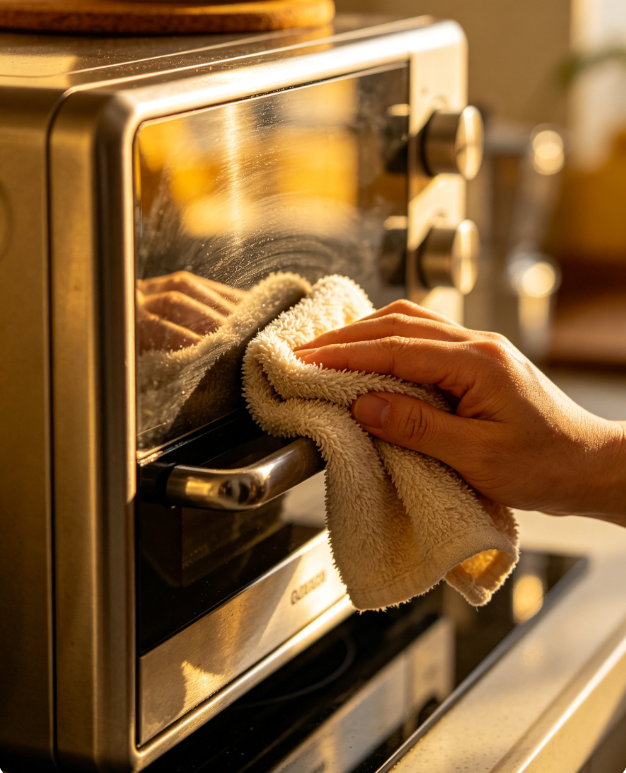
Clean microwave interior splatters weekly. Sauce, soup, and oil splatters inside microwaves bake onto inner walls during repeated heating cycles, forming hardened, odor-causing residue. Wiping the interior with a warm damp cloth during residual heat easily dissolves soft grease, avoiding stubborn carbonized buildup over time.
Maintain kitchen cabinet bottom cleanliness. The gap between cabinet bottoms and the floor easily accumulates fallen crumbs, dust, and pet hair. These tiny organic debris decompose in dark, enclosed spaces, attracting small insects and releasing faint odors. Monthly vacuuming and wiping keeps these hidden areas hygienic.
Refresh garbage disposal blades regularly. Food fiber and grease residue adhere to disposal blades after use, which cannot be completely washed away by running water. Regular flushing with warm water and gentle grinding of clean, non-abrasive materials removes residual buildup and prevents stale food odors.
Wipe dish soap dispensers regularly. Dispenser nozzles and surfaces accumulate dried soap residue and kitchen dust, forming sticky layers that contaminate clean hands and tableware during use. Regular light wiping maintains sanitation at key food-contact points.
Bathroom Cleaning: Control Humidity and Erase Recurring Limescale
Nearly all long-term bathroom problems, including mold growth, foggy fixtures, and musty air, originate from unmanaged residual humidity and hard water mineral accumulation. Regular targeted maintenance is far more effective than post-damage scrubbing.
Clean shower niche and shelf crevices. Built-in shower niches and shelf gaps trap soap scum, fine sand, and standing water. These narrow gaps are easily overlooked, gradually breeding mold and turning dark. Cleaning with a narrow soft brush weekly keeps tiled walls neat and hygienic.
Remove residual water from toilet seat undersides. The inner folds and undersides of toilet seats retain flushing water and tiny splashed residues. Long-term moisture accumulation causes hidden mold and odor. Flipping the seat up for drying and wiping eliminates these hidden pollution sources.
Clean bathroom exhaust fan covers. Dust and hair block fan covers, reducing ventilation efficiency and slowing indoor humidity dissipation. Poor ventilation prolongs surface wet time and accelerates overall bathroom mold growth. Regular dust removal ensures stable air circulation.
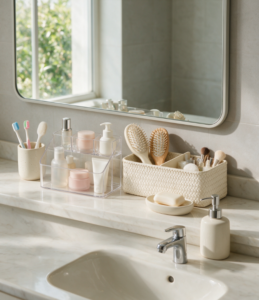
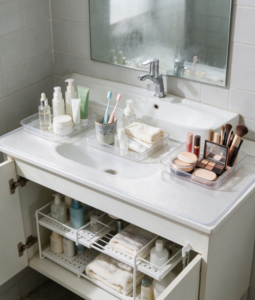
Wash and deodorize bathroom storage baskets. Plastic and fabric storage baskets collect dust, skin residue, and moisture during daily use. Regular cleaning prevents bacterial growth and avoids cross-contaminating clean toiletries and towels.
Living Room & Bedroom: Reduce Static Dust and Hidden Allergens
Living and sleeping spaces have no obvious heavy dirt, but static dust, fabric shedding, and human dander continuously accumulate, leading to stuffy indoor air and recurring fine dust.
Clean furniture leg and floor contact points. Sofa legs, table legs, and bed frame bases generate static electricity that traps large amounts of dust and hair. These low hidden areas release dust with walking and air flow, causing continuous indoor dust circulation. Monthly cleaning effectively reduces floating dust.
Dust curtain rod and top rail gaps. Curtain rails accumulate thick static dust that falls randomly when opening and closing curtains. Regular dust removal avoids sudden dust dispersion and keeps room air clean.
Flip and clean throw pillows and blankets. The back and hidden sides of decorative pillows and blankets accumulate dust and allergens. Regular flipping and vacuuming ensures overall fabric cleanliness and reduces indoor allergen levels.
Home Office & Electronics Damage-Free Cleaning
Office work areas feature high-frequency hand contact and low cleaning frequency, while electronic devices have delicate coatings that are easily damaged by incorrect cleaning methods.
Remove surface dust from headphones and charging cases. Bluetooth headphones and their storage cases contact hands and facial skin frequently, accumulating sweat dust and oil residue. Regular dry wiping maintains hygiene without damaging electronic components.
Clean desk edge and keyboard tray gaps. Pull-out keyboard trays and desk edge gaps trap crumbs, dust, and tiny debris that cannot be reached by ordinary wiping. Regular gap cleaning eliminates hidden dead corners and prevents bacterial accumulation.
Sanitize laptop touchpads and mouse surfaces. These high-contact electronic surfaces accumulate hand grease and bacteria daily. Gentle wiping with lint-free dry cloths or mild disinfectant wipes ensures hygiene without damaging sensitive surfaces.
Common Cleaning Habits That Cause Long-Term Home Deterioration
Many daily cleaning behaviors inadvertently damage home materials and accelerate dirt accumulation, shortening the service life of furniture and decoration surfaces.
Avoid repeated dry scrubbing of stained surfaces. Dry scrubbing creates micro scratches on tiles, glass, and paint walls. These tiny scratches increase surface roughness, making dirt and grease adhere more firmly and harder to clean in the future.
Do not use single cleaner for all stains. Different dirt types, including grease, mineral limescale, and organic mold, require targeted cleaning solutions. Blindly using one cleaner leads to poor cleaning results and unnecessary surface corrosion.
Avoid incomplete cleaning tool maintenance. Partially cleaned mops, cloths, and brushes retain residual dirt and bacteria. Using unclean tools is equivalent to spreading pollutants across the entire room.
Sustainable Zero-Burnout Cleaning Routine
The most reliable household cleaning mode is lightweight, regular maintenance, not occasional exhaustive deep cleaning.
Daily 4-minute surface reset. Dispose of wet garbage, dry residual water in humid areas, and tidy scattered sundries to cut off the initial accumulation of dirt.
Weekly classified maintenance. Rotate tasks including grease removal, mold prevention, dust cleaning, and high-touch sanitization to average workload and avoid cleaning burnout.
Bi-monthly hidden corner overhaul. Focus on appliance gaps, furniture bottoms, pipeline peripherals, and decorative dead corners to eliminate long-term accumulated dirt.
Conclusion
Genuine home cleanliness is built on scientific methods and stable small habits, not expensive products or excessive time investment. Understanding dirt accumulation logic, abandoning incorrect cleaning habits, and insisting on targeted maintenance can keep the home environment fresh, hygienic, and durable all year round. All content in this article is summarized from real household scenarios, with no false propaganda, no exaggerated effects, and high practicality for every ordinary family.