No-Fuss Home Cleaning Tips: Practical, Long-Lasting Results for Lived-In Homes
Most home cleaning content caters to staged, perfect homes rather than real, everyday living spaces. It promotes time-consuming deep cleans, unnecessary specialty products, and unrealistic standards that do not fit busy schedules, kids, pets, and regular household wear and tear. The result is a frustrating cycle: clean thoroughly, then watch dirt, odors, and stains return within days.
Why Traditional Cleaning Fails for Most Households
The biggest mistake homeowners make is cleaning for appearance instead of cleanliness. Wiping only visible surface dirt ignores invisible residue, including thin oil films, microscopic mineral deposits, embedded dust, and lingering moisture. These unseen contaminants build up over time, dull surfaces, harbor bacteria, and create faint, persistent odors that routine wiping cannot fix.
Sustainable cleaning focuses on prevention and complete residue removal. Small, consistent corrective habits eliminate most recurring household cleaning struggles without extra work or expensive supplies.
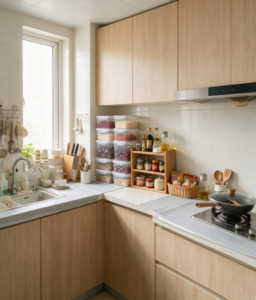
Kitchen Cleaning: Stop Sticky Surfaces and Hidden Food Odors
Kitchen messes age quickly. Fresh food splatters and oil mist wipe away easily, but within days, they harden into bonded residue that requires heavy scrubbing. Targeted routine maintenance prevents permanent buildup.
Wipe small appliance exteriors after each use. Coffee makers, toasters, blenders, and air fryers collect fine oil mist, dust, and food particles during operation. These tiny deposits layer into a sticky, yellowed film that is difficult to remove once cured. A 30-second post-use wipe with a microfiber cloth keeps appliances spotless long-term.
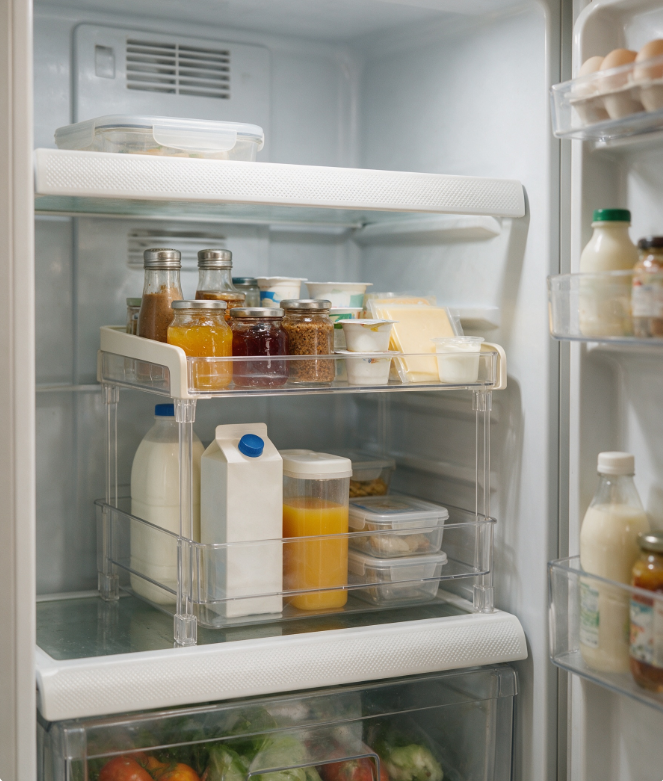
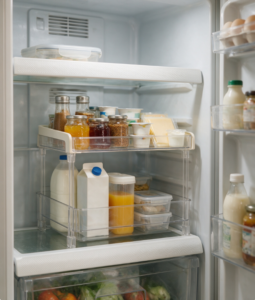
Clean interior refrigerator walls and shelf undersides monthly. Spilled drinks, thaw condensation, and sauce drips often seep under shelves and into corner crevices. These hidden residues ferment in cool, dark conditions, creating subtle persistent odors that affect all stored food. Monthly targeted wiping eliminates hidden odor sources without full defrosting.
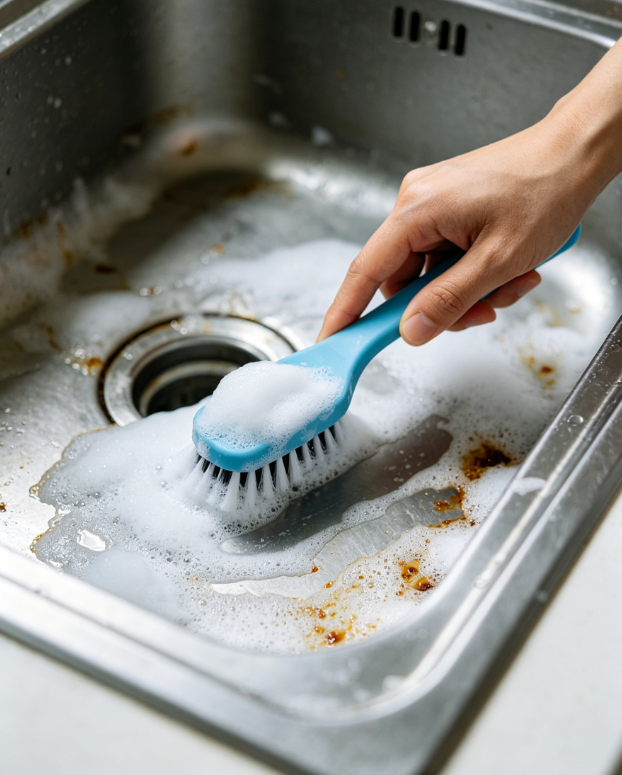
Deep clean sink stoppers and drain baskets. Kitchen sink drains trap food debris, grease, and organic sludge that regular rinsing misses. This decaying material causes slow drainage and sour kitchen odors. Removing, scrubbing, and rinsing stoppers weekly prevents sludge buildup and drain smells.
Avoid overusing dish soap for daily wiping. Excess soap leaves a thin residue on countertops and tables. This sticky film attracts dust and crumbs, making surfaces feel constantly dirty. Plain warm water is sufficient for most daily kitchen surface maintenance.
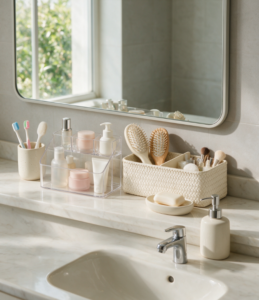
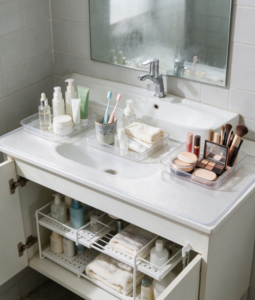
Bathroom Cleaning: Eliminate Cyclical Limescale, Mold and Mildew Odors
Bathroom deterioration stems from two unavoidable issues in every home: hard water minerals and trapped humidity. Scrubbing existing mold and limescale is far less effective than stopping their formation early.
Dry all wet surfaces after showering or hand washing. Shower walls, glass panels, sink basins, and faucets hold residual water that evaporates and leaves mineral deposits. A quick post-use dry wipe prevents cloudy limescale and soap scum before it can harden.
Scrub tile grout lines every two weeks. Grout is porous and absorbs soap scum, body oils, and dirt. Untreated grout gradually darkens and grows surface mold. Regular light scrubbing with a soft bristle brush keeps grout clean without harsh chemical treatments.
Clean behind the toilet tank and base. These out-of-sight areas collect dust, humidity, and airborne bacteria. Over time, they develop musty odors that people incorrectly attribute to the toilet bowl itself. Monthly wiping and sanitizing removes hidden bathroom odor sources.
Replace shower loofahs and sponges regularly. Bath sponges retain water, soap residue, and dead skin cells. They develop bacteria and mildew rapidly, even with regular rinsing. Routine replacement prevents skin irritation and persistent shower odors.
Living Room & Bedroom: Reduce Hidden Dust and Allergens
These low-traffic mess-free zones hide the majority of household allergens. Floating dust, fabric fibers, pet dander, and dead skin cells accumulate in undisturbed areas, causing stuffy air and frequent dust resettlement.
Vacuum upholstery seams and cushion crevices. Sofa and mattress flat surfaces look clean, but seam lines, edges, and gaps trap crumbs, hair, and deep dust. Vacuuming these specific areas reduces indoor dust and allergens far more effectively than general surface cleaning.
Dust ceiling fans and air vent grilles monthly. Dust buildup on ventilation fixtures circulates throughout rooms every time heating or cooling systems run. Regular cleaning cuts down continuous indoor dust circulation significantly.
Wipe baseboards and door bottoms quarterly. These edges collect sweeping debris and pet hair, creating dark, dusty lines that make entire rooms look unkempt. Quick seasonal touch-ups maintain a consistently tidy visual appearance.
Home Office & Electronic Device Safe Cleaning
Workspaces harbor high bacterial levels due to constant hand contact, yet they are the most overlooked cleaning zone in most homes. Electronic surfaces also require careful, damage-free maintenance.
Sanitize high-touch desk accessories. Pens, staplers, tape dispensers, and headset frames are touched daily but rarely cleaned. Gentle sanitizing wipes reduce germ transfer without damaging plastic or metal surfaces.
Clean keyboard gaps with dry soft brushes. Crumbs and dust trapped between keys cause sticky inputs and harbor bacteria. Dry brushing removes debris safely without pushing particles deeper or damaging internal components.
Avoid liquid cleaners on screens and lenses. Excess moisture seeps into device edges and destroys delicate anti-glare and oleophobic coatings. Dry microfiber cloths are enough to remove fingerprints and daily dust safely.
Overlooked Cleaning Tool Maintenance
Cleaning tools directly determine cleaning quality. Dirty tools redistribute bacteria, dust, and residue, undoing cleaning progress.
Wash microfiber cloths after every use. These cloths trap grease and fine dust deep in fibers. Simple rinsing does not remove buildup. Regular laundry washing restores fiber effectiveness and prevents secondary surface contamination.
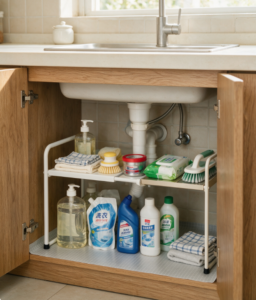
Hang mops and brush tools to air dry. Storing damp cleaning tools in closed cabinets breeds mold and mildew, creating odors that transfer to floors and surfaces during use.
Realistic Low-Effort Cleaning Routine
Busy households thrive on short, repeatable habits instead of occasional exhausting deep cleans.
Daily 3-minute reset. Clear wet trash, dry residual water, and wipe fresh stains. This prevents minor messes from aging into stubborn buildup.
Weekly targeted cleaning. Rotate one focus area per week: kitchen residue control, bathroom moisture prevention, living room dust reduction, or office sanitization.
Quarterly deep hidden-area cleaning. Address appliance interiors, furniture undersides, and wall gaps to clear long-term accumulated hidden dirt.
Conclusion
Reliable home cleanliness does not require perfection or excessive time investment. It comes from understanding how dirt accumulates, fixing ineffective cleaning habits, and maintaining simple, consistent routines. By focusing on residue removal, moisture control, and hidden dirt prevention, homeowners can maintain a fresh, hygienic home year-round with minimal burnout. All methods featured are real, verifiable, and designed for everyday lived-in homes.