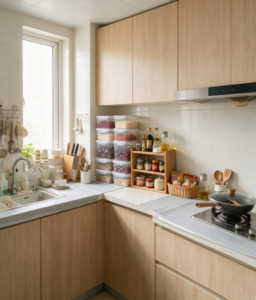
Practical Home Cleaning Tips: Real, Actionable Methods for a Cleaner Home
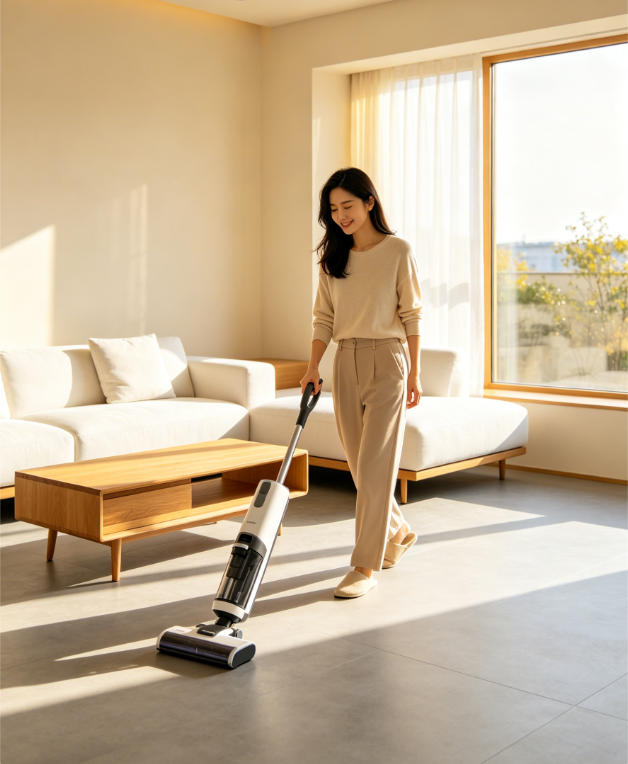
Many home cleaning articles promote quick-fix tricks, expensive specialty products, or unrealistic deep-clean routines that do not fit ordinary household lifestyles. In reality, effective home cleaning relies on repeatable, low-effort methods, correct product usage, and targeted stain removal techniques. These practical approaches deliver consistent results without overpromising instant perfection or requiring hours of daily work.
Basic Ground Rules for Effective Cleaning
Most people struggle with recurring dirt and grime due to incorrect cleaning sequences and misplaced priorities, not insufficient cleaning frequency. Following these simple rules improves cleaning efficiency significantly.
Clean from top to bottom and from dry to wet. Dust and debris always fall downward during cleaning. Wiping floors first before cleaning ceiling corners, shelf surfaces, and window sills leads to repeated dirt accumulation and double work. Start with dry dusting for high surfaces, then perform wet wiping for middle and low areas, and finish with floor cleaning to avoid redundant labor.
Prioritize high-traffic areas over full-house deep cleaning. Living room floors, kitchen countertops, bathroom sinks, and doorknobs accumulate 80% of daily dirt and bacteria. Instead of spending entire weekends cleaning every corner, maintain daily upkeep on frequently used zones and arrange thorough deep cleaning for low-traffic areas once monthly. This method balances cleaning quality and time cost.
Avoid overusing cleaning agents. Excessive detergent, disinfectant, or glass cleaner leaves chemical residues, sticky films, and streaks on surfaces. Residues will attract more dust and make surfaces dirtier faster. Most daily cleaning scenarios only require a small amount of cleaner or even pure water for basic wiping.
Room-by-Room Practical Cleaning Techniques
Kitchen Cleaning (Target Grease & Food Residue)
Treat kitchen grease while surfaces are warm. Cold, solidified kitchen grease requires strong chemical cleaners and heavy scrubbing. After cooking, while the stove and range hood surfaces are still slightly warm, wipe them with a damp microfiber cloth paired with a mild degreaser. Warm grease dissolves easily, reducing scrubbing effort and avoiding surface scratches caused by excessive friction.
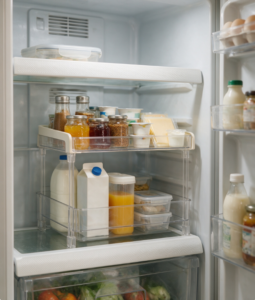
Clean refrigerator door seals regularly. Food spills and mold spores easily hide in refrigerator rubber gaskets, which are often overlooked in daily cleaning. Use a cotton swab dipped in diluted neutral disinfectant to clean gaps every two weeks. This prevents black mold growth and avoids odor cross-contamination with stored food.
Remove sink stains with gentle, non-damaging methods. Kitchen stainless steel sinks easily develop water spots and rust marks from long-term use. Avoid harsh abrasive powders that wear down the surface protective layer. Wipe stains with a soft sponge and diluted white vinegar solution, then rinse thoroughly with clean water and dry immediately to restore surface brightness.
Empty and clean kitchen trash cans daily. Hidden food residues and residual moisture at the bottom of trash cans are the main cause of kitchen odors and small insect breeding. Rinse the trash can with clean water every day after use, and dry it before replacing the garbage bag to keep the kitchen environment fresh.
Bathroom Cleaning (Solve Mold, Odor & Water Scale)
Prevent bathroom mold with post-use drying. Bathroom mold mainly grows in humid, enclosed environments. After bathing or washing, turn on ventilation fans or open windows for 10 to 15 minutes to exhaust humid air. Wipe dry shower walls, glass partitions, and sink surfaces to eliminate standing water. Simple daily drying effectively reduces mold and water scale formation without frequent deep scrubbing.
Clean shower drain gaps regularly. Hair, soap scum, and dust accumulate in drain gaps, causing slow drainage and unpleasant odors. Use tweezers or small hook tools to remove hair buildup weekly, and flush the drain with warm water to dissolve residual soap scum. This avoids stubborn blockages that require professional cleaning.
Remove toilet bowl ring stains safely. Long-term standing water forms yellow ring stains on toilet bowls. Pour an appropriate amount of toilet cleaner along the inner wall, let it soak for 15 minutes to decompose mineral deposits and stains, then scrub with a toilet brush. Soaking is more effective than brute-force scrubbing and protects the ceramic glaze from damage.
Living Room & Bedroom Cleaning (Reduce Dust & Allergens)
Dust fabric surfaces before vacuuming. Sofas, cushions, curtains, and bed sheets absorb a large amount of floating dust and mites. Use a static dust removal cloth to wipe surface dust first, then vacuum fabric gaps and crevices. This prevents dry dust from flying around and re-settling on cleaned surfaces.
Clean air conditioner and fan dust monthly. Dust accumulated on air outlet baffles and fan blades will blow into the room during operation, causing recurring floating dust. Wipe air conditioner outlets with a damp cloth and clean fan surface dust monthly to reduce indoor dust circulation.
Wash pillowcases and bed sheets weekly. Human sweat, dead skin cells, and oil stains are the main sources of bed dirt and mites. Weekly replacement and cleaning effectively reduce allergens and keep bedding hygienic, which is more practical than occasional large-scale mattress cleaning.
Home Office & Desktop Cleaning
Clean electronic devices with dedicated soft tools. Keyboard gaps, mouse surfaces, and monitor screens accumulate dust and fingerprints easily. Do not wipe electronic screens with wet rags or harsh cleaners, which may damage coating layers. Use dry microfiber cloths for screens and soft keyboard brushes to clean gap dust to ensure safety and cleaning effect.
Disinfect high-frequency contact points daily. Desktops, mouse, keyboards, and desk lamp switches are touched most frequently every day. Wipe these contact points with mild disinfectant wipes daily to reduce bacterial accumulation, which is critical for long-term home office hygiene.
Low-Maintenance Daily & Weekly Cleaning Schedule
Sustained home cleanliness depends on regular small maintenance, not occasional exhausting deep cleaning. A fixed lightweight routine avoids dirt buildup and reduces long-term cleaning pressure.
Daily 5-minute quick cleaning. Before bedtime, wipe kitchen countertops and bathroom sinks, sweep obvious floor debris, and take out wet garbage. These trivial operations prevent daily dirt from turning into stubborn stains.
Weekly 30-minute targeted deep cleaning. Every weekend, focus on one key area: clean kitchen grease, remove bathroom water scale, vacuum fabric furniture, and sort out desktop sundries. Zone-based weekly cleaning avoids overwhelming full-house cleaning tasks.
Monthly equipment and gap cleaning. Check and clean household appliance surfaces, door and window gaps, cabinet bottoms, and drain holes every month to clean up hidden dirt that is ignored in daily cleaning.
Practical Cleaning Mistakes to Avoid
Mixing different cleaning agents is unsafe and ineffective. Many people mix vinegar, bleach, and detergent for stronger cleaning effects, but this may produce harmful chemical gases and cause surface corrosion. Use single cleaning agents separately according to different stain types.
Scrubbing hard at dry stains worsens surface damage. Dry solid stains on glass, ceramics, and wood surfaces require wet soaking first. Hard scrubbing directly will scratch surfaces and leave permanent marks.
Neglecting cleaning tool maintenance. Dirty rags, sponges, and vacuum filters carry a large number of bacteria. Cleaning with contaminated tools will only spread dirt again. Rinse and dry cleaning tools after use, and replace sponges and rags regularly.
Conclusion
High-quality home cleaning is not about spotless perfection or time-consuming deep cleaning. It is a set of scientific, low-cost, and sustainable daily routines. Correct cleaning sequences, targeted stain removal methods, and regular lightweight maintenance can keep the home hygienic, fresh, and tidy all year round. All techniques in this article are summarized from real household cleaning scenarios, with no exaggerated effects, no false propaganda, and strong practicality for every family.