Seasonal Home Cleaning Guide: Adapt Your Routine for Year-Round Freshness
Home cleaning is not a one-size-fits-all task. As seasons change, temperature, humidity, air quality, and household living habits shift dramatically, bringing unique cleaning challenges to every home. Dust, pollen, humidity, mold, and dry-air static problems vary significantly throughout the year. A fixed cleaning routine often fails to address seasonal dirt and hidden hygiene risks. A tailored seasonal home cleaning strategy allows homeowners to target different environmental changes, eliminate seasonal pollutants, and maintain a consistently clean, fresh, and healthy living space all year long.
Why Seasonal Cleaning Is Critical for Household Health
Each season creates distinct indoor hygiene issues that regular daily cleaning cannot fully resolve. Spring brings heavy pollen and floating dust that easily adhere to windows, curtains, and furniture. Summer’s high temperature and humidity accelerate mold and bacterial reproduction in bathrooms and kitchens. Autumn fills the air with dry dust and fallen debris that accumulate rapidly indoors. Winter’s closed ventilation leads to stale air, residual odor, and accumulated indoor pollutants.
Without targeted seasonal cleaning, these hidden problems continue to affect indoor air quality and family health. Pollen and dust trigger allergies, mold causes respiratory discomfort, and stale air reduces living comfort. Seasonal cleaning adjusts cleaning focus, frequency, and methods according to environmental changes, effectively solving seasonal hygiene pain points and making household maintenance more scientific and accurate.
Spring Cleaning: Remove Pollen and Renew Indoor Air
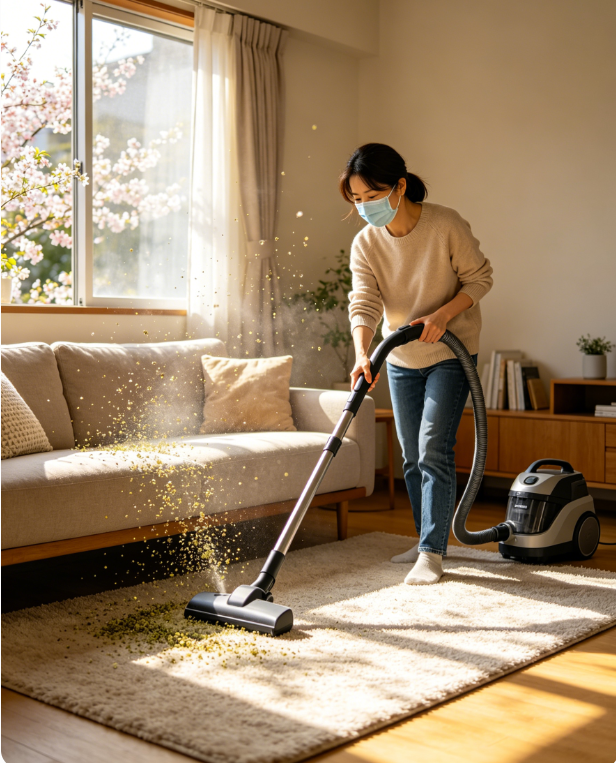
Spring is the best season for home renewal, yet it is also the peak period for pollen, floating dust, and fine particulate matter. Windows are frequently opened for ventilation, causing large amounts of outdoor dust and pollen to enter the room and attach to soft furnishings, window sills, and wall surfaces.
The core of spring cleaning is dust removal and allergen control. Thoroughly clean window tracks, screen windows, and window sills, which are the heaviest dust accumulation areas in spring. Deep clean curtains, sofa covers, carpets, and other soft textiles to remove trapped pollen and fine dust particles. Use vacuum cleaners with high-efficiency filtration systems to reduce indoor floating particles and avoid secondary dust dispersion.
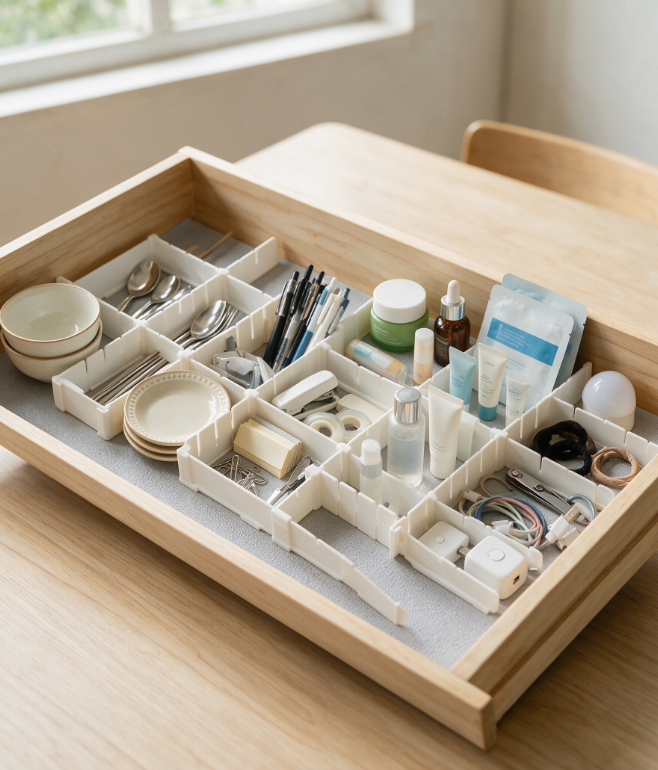
In addition, spring temperature rise accelerates bacterial activity. Conduct a comprehensive sanitation disinfection of high-touch surfaces such as door handles, remote controls, and cabinet surfaces. Clean up winter idle items and thoroughly tidy storage spaces to eliminate hidden dust and create a fresh and breathable home environment suitable for spring.
Summer Cleaning: Anti-Mold, Dehumidification and Odor Removal
Summer features high temperature and high humidity, which are the main causes of household mold, mildew, and peculiar odors. Bathrooms, kitchen corners, tile gaps, and closed cabinets are extremely prone to mold growth, while high temperatures easily ferment food residues, producing unpleasant odors and breeding bacteria.
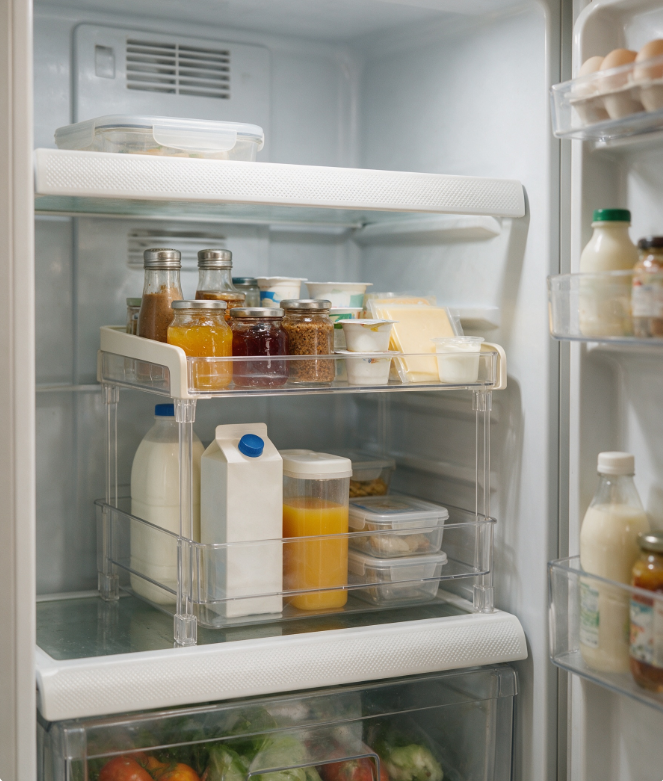
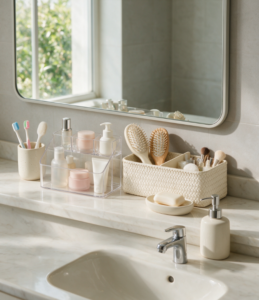
Summer cleaning focuses on dehumidification, mildew prevention, and odor elimination. Regularly check and clean bathroom wall corners, shower gaps, and floor drains to remove early mold spots before they spread. Keep kitchen sinks and countertops dry after use to prevent food residue from deteriorating and causing odors. Thoroughly clean the refrigerator interior weekly to avoid spoilage and bacterial cross-contamination caused by high temperatures.
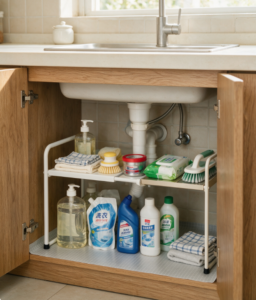
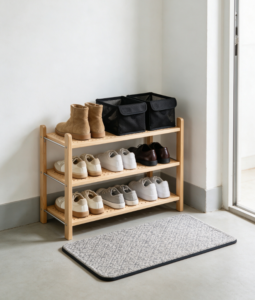
For closed storage spaces such as wardrobes and shoe cabinets, maintain air circulation and place moisture-proof supplies to prevent clothing and shoes from getting moldy and damp. Strengthen indoor ventilation during dry periods of the day, or use dehumidifiers to reduce indoor humidity, fundamentally inhibiting mold and bacterial reproduction.
Autumn Cleaning: Dry Dust Removal and Household Maintenance
Autumn is dry with low air humidity, leading to frequent floating dust and static electricity. Household surfaces easily accumulate thick layers of dry dust, and static electricity makes dust adhere firmly, increasing cleaning difficulty. At the same time, autumn is the transition season before winter, making it the best time for comprehensive household maintenance and deep cleaning.
Autumn cleaning prioritizes dry dust removal and thorough tidying. Use static microfiber cleaning tools to wipe furniture, electrical surfaces, and wall surfaces to efficiently capture dry dust without raising dust. Deep clean air conditioners, fans, and other summer frequently used electrical appliances to remove accumulated dust and prepare them for idle storage.
Sort out seasonal clothing, bedding, and summer daily supplies. After thorough cleaning and drying, store them in classified and sealed storage to avoid dust contamination. Comprehensive autumn cleaning eliminates accumulated dirt from spring and summer, laying a clean and hygienic foundation for winter closed living.
Winter Cleaning: Ventilation Optimization and Sanitary Maintenance
In cold winter, people tend to close doors and windows for warmth, resulting in poor indoor air circulation. Long-term closed environments cause indoor carbon dioxide accumulation, odor retention, and dust settling, making the air turbid and stuffy. Heating equipment also accelerates dust floating and dry air, easily causing static dust accumulation.
Winter cleaning focuses on balanced ventilation and fixed-point sanitation. Choose warm noon periods for short-term window ventilation to renew indoor air without reducing indoor temperature too quickly. Frequently clean heating equipment surfaces to remove accumulated dust and avoid dust burning and peculiar odors during heating operation.
Strengthen daily cleaning of living areas and bedrooms, reduce indoor clutter accumulation, and keep the living environment tidy. Avoid large-scale wet cleaning in low-temperature environments to prevent residual water from freezing and breeding bacteria. Adopt frequent small-scale cleaning methods to maintain long-term indoor sanitation and fresh air quality.
Top Benefits of Seasonal Adaptive Cleaning
Adapting cleaning routines to seasonal changes makes household sanitation more targeted and efficient, completely solving seasonal hygiene blind spots that fixed cleaning modes cannot cover. It effectively controls seasonal allergens, mold, dust, and odors, greatly improving indoor air quality and protecting family respiratory and skin health.
Seasonal cleaning also extends the service life of household items. Timely dust removal, dehumidification, and maintenance protect furniture, electrical appliances, textiles, and hardware from seasonal environmental damage such as damp mildew and dry aging. In addition, regular seasonal tidying optimizes home storage, keeps the space orderly, and continuously improves living comfort and home texture.
Final Conclusion
Home hygiene is closely linked to seasonal environmental changes. A scientific seasonal home cleaning routine adjusts cleaning focus, solves seasonal hygiene problems in a targeted manner, and realizes full-year, all-round household health protection. By implementing pollen removal in spring, mildew prevention in summer, dust tidying in autumn, and air renewal in winter, homeowners can avoid seasonal dirt accumulation and hidden health risks. Adaptive seasonal cleaning turns passive tidying into active maintenance, allowing every family to enjoy a fresh, dry, sanitary, and comfortable living environment throughout the year.