Renter-Friendly DIY: Craft a Foldable Insect-Proof Drainage Isolation Cover for Japanese Bathrooms
Introduction
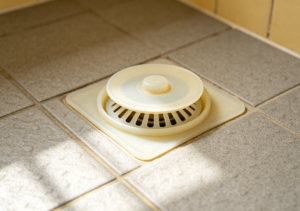
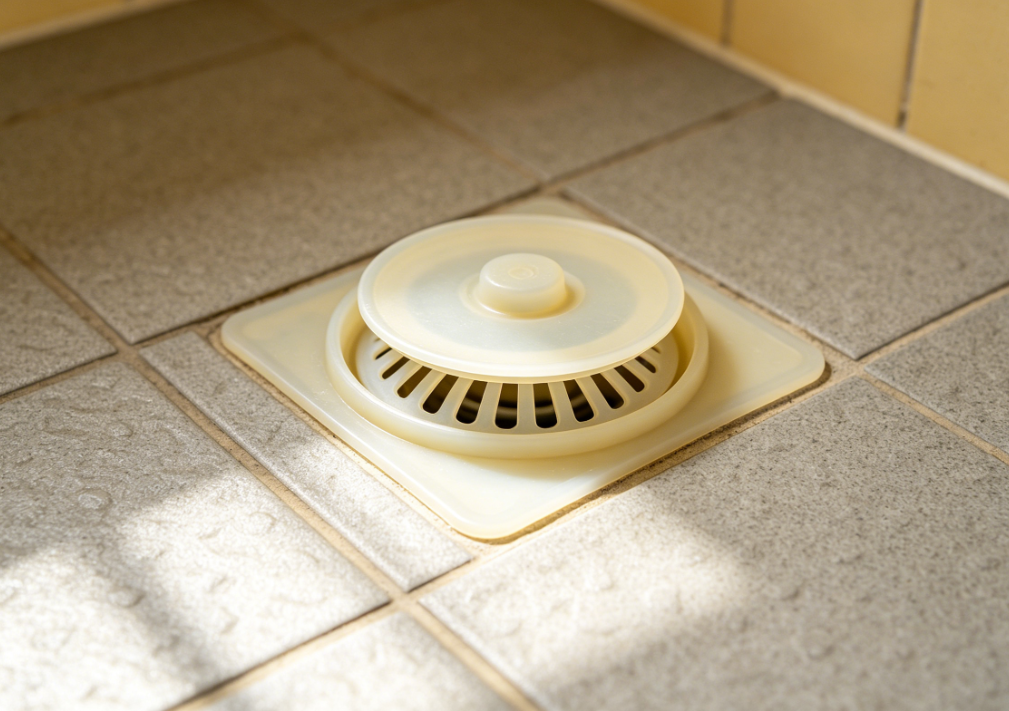
Nearly all old and mid-aged Japanese rental apartments adopt exposed floor drainage systems in bathrooms and washing areas. The original metal drain outlets feature wide fixed gaps, allowing cold sewer odors, moist pipeline humidity, and tiny crawling insects to flow back into indoor spaces. During Japan’s humid rainy season, drain holes become breeding hotspots for drain flies, small cockroaches, and mold spores. Tenants are strictly forbidden to replace embedded sewer components, modify built-in piping structures, or apply permanent sealants to original drains. Although commercial drain covers are available, their rigid size often fails to fit irregular Japanese old-style drain grooves. Under such restrictions, renters can manually fabricate a foldable insect-proof drainage isolation cover. Constructed from soft silicone mesh and flexible plastic rings, this handmade tool filters hair debris, blocks reverse odor, and creates a physical isolation layer between living areas and sewage pipelines. Beyond basic sanitation functions, this trivial handmade accessory reflects Japanese minimalist hygiene philosophy: building invisible boundaries to maintain domestic cleanliness without altering architectural facilities.
Design Concept of the DIY Drain Cover
Unlike hard one-size-fits-all commercial drain lids, this handmade isolation cover adopts a flexible foldable structure customized for uneven Japanese apartment drains. It follows three renter-oriented design principles: permeable filtration, elastic fitting, and traceless detachment. Many traditional Japanese bathroom drains have asymmetric edges and sunken curved grooves; rigid covers easily leave leaking gaps. Instead of completely sealing the pipeline to block water flow, this mesh-structured cover balances drainage efficiency and isolation performance. Its translucent muted tone blends naturally with simple ceramic bathroom tiles, maintaining the plain aesthetic of Japanese sanitary spaces.
Required Materials (Available at Japanese 100-Yen Shops)
- Soft high-density silicone filtering mesh
- Slim bendable transparent plastic ring frame
- Waterproof removable silicone adhesive dots
- Mini weighted rubber counterbalance beads
- Round-head waterproof cutting scissors
Step-by-Step Fabrication Process
Step 1: Measure Drain Outlet and Cut Mesh
Observe the shape and diameter of the bathroom drain. Most Japanese residential drains are circular or irregular oval sunken holes. Cut the silicone filtering mesh into a circular piece slightly larger than the drain opening. The enlarged overlapping edge ensures full coverage of tiny side gaps. Trim the mesh edges smoothly to avoid loose threads that tangle with flowing hair. The dense silicone mesh is selected for its waterproof property, mildew resistance, and fine pore structure that intercepts debris without obstructing water flow.
Step 2: Fix Mesh onto Plastic Frame
Lay the trimmed mesh flat on the transparent plastic ring. Secure the mesh edge to the frame using waterproof adhesive dots. The flexible plastic ring can be freely bent and twisted to adapt to tilted, deformed, and uneven old drain surfaces. Maintain even tension on the mesh surface to prevent sagging and water accumulation. This integrated combination forms a lightweight filtering isolation layer with stable shaping performance.
Step 3: Attach Weighted Rubber Beads
Paste mini rubber counterbalance beads evenly around the outer ring. These tiny weighted points press the cover closely against the ceramic floor, eliminating narrow gaps for insect penetration. When tap water and bathwater flow down, the gravity beads prevent the mesh from floating upward due to water pressure. The smooth rubber surface also avoids scratching the glazed tile surface, protecting the original bathroom finish during long-term placement.
Step 4: Fold and Test Drainage Performance
Gently fold the cover to test its soft bending tolerance. Place the finished isolation cover flat on the drain hole and press the edge for close fitting. Pour running water to verify drainage speed and mesh filtration effect. Pick up the cover to check whether hair and debris are fully intercepted on the mesh surface. The entire production process requires no chemical sealant or permanent fixation, ensuring zero damage to rental sanitary facilities.
Daily Usage and Functional Advantages
This handmade drain isolation cover optimizes bathroom sanitation in humid Japanese apartments. The dense mesh effectively traps human hair, soap residues, and tiny dust particles, preventing pipeline blockage and troublesome sewer cleaning. The closely fitted structure isolates upward odor and inhibits the climbing of small insects from dark pipelines. During hot summer months, it suppresses the reproduction of drain flies and bacteria inside stagnant sewage. When cleaning is required, users simply lift the lightweight cover, remove accumulated debris, and rinse the mesh under running water. All materials are reusable, corrosion-resistant, and easy to store in folded flat form.
Broader Reflection: Separating Cleanliness and Dirt
Standard Japanese rental pipelines are designed for general drainage rather than personalized sanitary isolation. Exposed drain holes connect tidy living spaces with contaminated underground pipelines, forming invisible dirty boundaries. This handmade mesh cover represents a gentle artificial separation between clean domestic environments and complex sewer systems. Tenants do not renovate embedded piping; instead, they build a temporary physical barrier to purify marginal spaces.
Furthermore, the trimming and assembling process cultivates subtle sanitary awareness. People often focus on visible surface stains while ignoring hidden pipeline pollution. Cutting mesh, fixing frames, and adding counterweights remind renters to observe invisible airflow and biological activity inside drain holes. This trivial handmade action turns overlooked dirty corners into controlled hygienic zones.
Conclusion
The DIY foldable drain isolation cover embodies delicate sanitary wisdom for Japanese renters. With soft waterproof mesh, flexible plastic frames, and traceless flat placement, it solves sewer odor, insect invasion, and hair blockage troubles. It protects original bathroom tiles, simplifies daily cleaning, and improves indoor air quality. In damp, aging temporary apartments, this lightweight mesh cover proves that domestic hygiene does not require complicated pipeline reconstruction. Through subtle handmade isolation, renters separate clean living space from polluted pipelines, maintain bathroom freshness, and construct a dry, hygienic, and stable sanitary environment in borrowed Japanese residences.