Renter-Friendly DIY: Make a Custom Gap Cleaning Brush for Narrow Japanese Bathroom Corners
Introduction
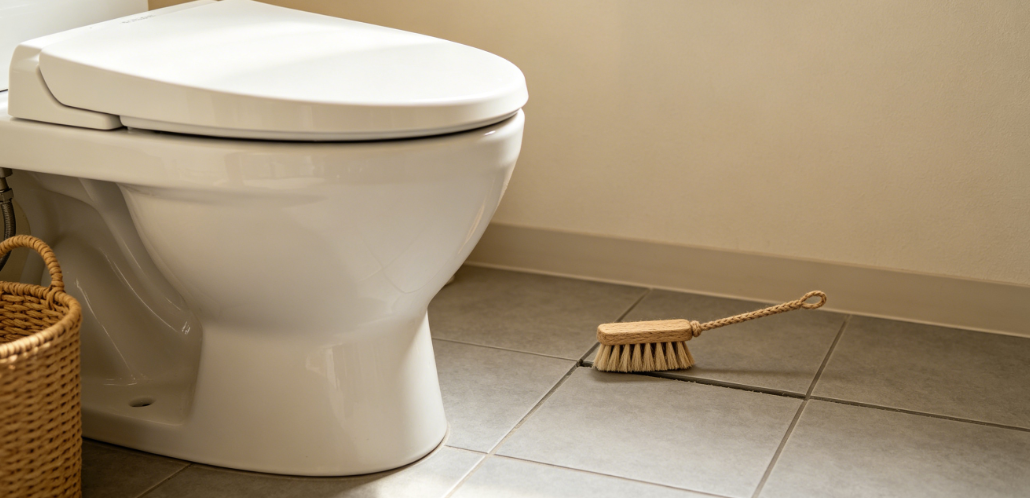
Most Japanese rental bathrooms are constructed with compact tiled layouts and closely placed toilet fixtures. Extremely narrow gaps between the toilet base and floor tiles often accumulate dark grime, mold spores, and residual water stains. Commercially sold cleaning brushes are usually too thick to squeeze into these tiny crevices, leaving stubborn dirt that gradually corrodes grout lines. Worse still, excessive mold and black stains will lead to rental deduction fees during move-out inspections. To eliminate hidden sanitary dead corners without modifying bathroom facilities, tenants can create a removable narrow gap cleaning brush. Made of cheap disposable cleaning materials, this slender handmade tool reaches invisible cramped corners, removes hidden mold, and maintains bathroom hygiene. Beyond simple cleaning functions, this tiny brush reflects Japan’s meticulous residential culture: valuing invisible cleanliness as much as visible tidiness.
Design Concept of the DIY Gap Brush
Unlike rigid industrial cleaning tools, this handmade gap brush adopts an ultra-thin flexible structure tailored for Japanese narrow bathroom seams. It follows three renter-centered design principles: slender penetration, replaceable brush head, and water-resistant durability. Japan’s year-round humid environment accelerates mold reproduction in dark damp gaps; therefore, the brush is designed to resist water erosion and support repeated deep cleaning. Additionally, all components are detachable for easy drying and storage. Instead of using aggressive chemical detergent to cover dirt, this physical cleaning tool gently scrubs dead corners, maintaining the original tile texture of rental bathrooms.
Required Materials (Available at Japanese 100-Yen Stores)
- Flat rigid plastic strip (transparent hard plastic sheet)
- Ultra-fine dense cleaning sponge sheet
- Waterproof removable fabric tape
- Thin rubber anti-slip grip tube
- Mini sharp trimming scissors
Step-by-Step Fabrication Process
Step 1: Cut Slim Plastic Main Rod
Measure the width of bathroom gaps. Most Japanese toilet seams range from three to eight millimeters, too narrow for ordinary brushes. Cut the transparent plastic sheet into a long, slim strip with a pointed front end. The slender shape allows deep insertion into tile crevices, while the hard plastic material provides stable scrubbing force. Polish the sharp cutting edges smoothly to prevent scratching fragile ceramic tiles and glazed surfaces.
Step 2: Shape and Paste Cleaning Sponge
Trim the dense sponge sheet into a tiny pointed brush head. This tapered design fits irregular curved gaps around toilet bases. Attach the sponge tightly to the front end of the plastic rod using waterproof fabric tape. Unlike permanent glue, this adhesive can be peeled off easily, enabling users to replace dirty sponge heads regularly. The porous sponge absorbs detergent and retains moisture, enhancing mold removal efficiency in damp corners.
Step 3: Install Anti-Slip Rubber Grip
Slide the thin rubber tube onto the tail of the plastic strip to form an ergonomic handheld grip. The soft rubber increases friction during wet-hand cleaning, preventing the brush from slipping in soapy water. This simple grip reduces wrist pressure during repeated scrubbing movements. For long-term usage, the rubber buffer also prevents the hard plastic rod from hurting fingers.
Step 4: Test Flexibility and Seam Adaptation
Bend the plastic rod slightly to test its toughness. Moderate softness allows the brush to fit tilted tile gaps and uneven toilet edges. Dip the brush into clean water to check water seepage and adhesive firmness. After simple washing, the handmade slender brush is ready for daily bathroom maintenance. The whole production process requires no electricity, drilling, or complex assembly.
Daily Usage and Functional Advantages
This handmade gap brush solves long-neglected bathroom cleaning troubles for renters. Its ultra-thin body penetrates cramped seams beside toilets, sinks, and tile corners to scrape away accumulated black mold and dirt. The replaceable sponge head avoids bacterial growth caused by long-term reuse. During Japan’s damp rainy season, regular gap scrubbing suppresses mold expansion and eliminates musty bathroom odors. After cleaning, the brush can be hung on bathroom hooks for rapid air drying. Furthermore, maintaining flawless tile conditions effectively avoids cleaning fees and tile repair deductions during apartment inspections.
Broader Reflection: Invisible Cleanliness in Borrowed Spaces
In Japan’s strict rental system, hidden dirt is often more punishable than obvious messes. Landlords carefully inspect tile gaps, toilet bases, and wall seams to judge tenants’ living habits. This tiny handmade brush represents a subtle rental survival wisdom: taking initiative to maintain invisible corners. Instead of waiting for dirt to deteriorate, residents actively modify simple cleaning tools to adapt to flawed architectural gaps.
Moreover, this miniature handmade item reshapes people’s understanding of sanitation. Modern urban renters often only clean visible surfaces while ignoring hidden dark corners. Trimming sponges, tapering brush heads, and polishing plastic strips cultivate a meticulous cleaning attitude. This slow, careful production process transforms routine bathroom maintenance into a quiet ritual of spatial care.
Conclusion
The DIY removable toilet gap cleaning brush embodies minimalist cleaning wisdom for Japanese rental apartments. With inexpensive daily materials, simple cutting and pasting procedures, and replaceable functional structures, it cleans inaccessible sanitary dead corners that commercial tools cannot reach. It protects tile surfaces, suppresses mold growth, and helps tenants pass rigorous move-out inspections. In limited temporary living spaces, this slender brush proves that high-standard hygiene does not require expensive cleaning equipment. Through tiny handmade improvements, renters can maintain subtle, invisible cleanliness, respecting both borrowed living spaces and rigorous Japanese rental norms.