Online Education: Empowering Learning for Everyone, Anytime
In the digital age, online education has transformed the way people access knowledge, breaking down the barriers of time and space that once limited traditional learning. It has evolved from a convenient supplement to a core part of education, serving learners of all ages, backgrounds, and goals—from schoolchildren seeking extra support to professionals aiming to upskill, and even lifelong learners pursuing personal interests.
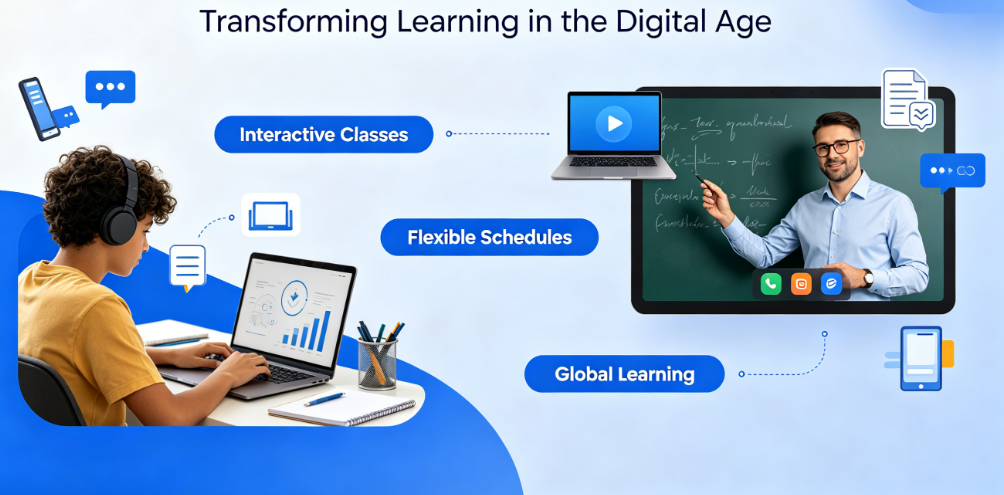
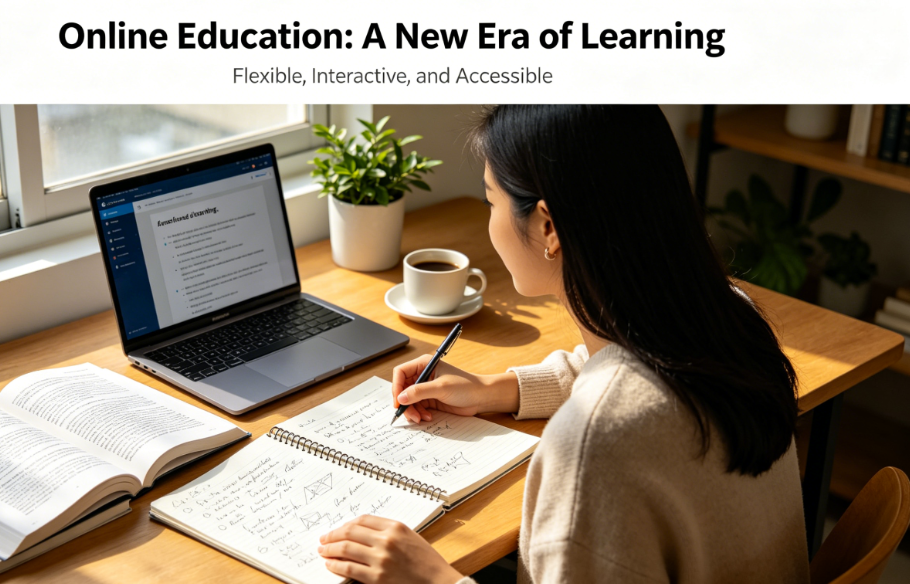
One of the key strengths of online education is its flexibility, which fits seamlessly into modern lifestyles. Unlike traditional classrooms that require fixed schedules and physical attendance, online courses allow learners to study at their own pace, whether early in the morning, during lunch breaks, or in the evening after work. This flexibility is particularly valuable for working adults, who can balance career and family responsibilities while advancing their skills. For example, a software engineer can take an online course on artificial intelligence in their free time, enhancing their expertise without taking a leave of absence.
Another advantage of online education is its accessibility. With just an internet connection and a device—whether a computer, tablet, or smartphone—learners can access high-quality educational resources from anywhere in the world. This is a game-changer for people in remote or underserved areas, who may not have access to top-notch schools or training programs locally. Online platforms like Coursera, Udemy, and Khan Academy offer thousands of courses taught by industry experts and university professors, making world-class education available to anyone with the motivation to learn.
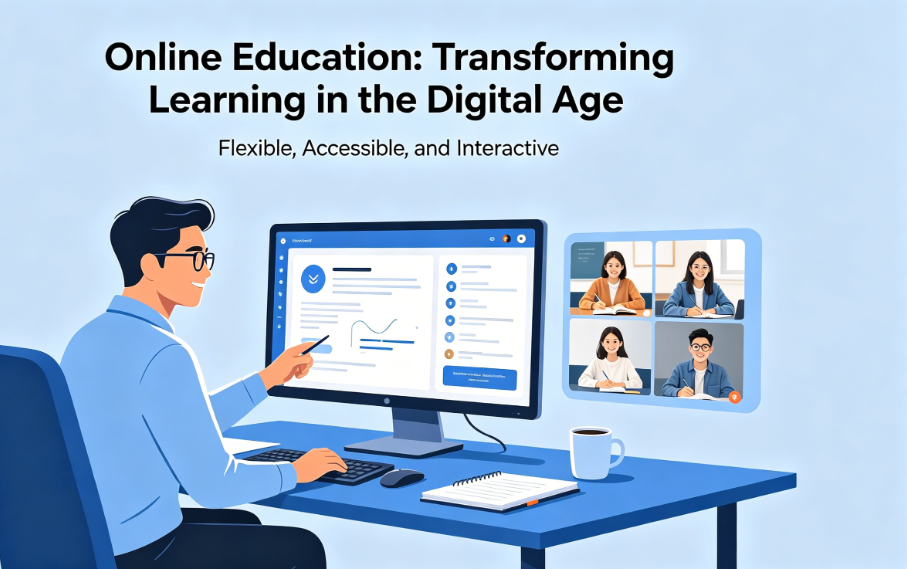
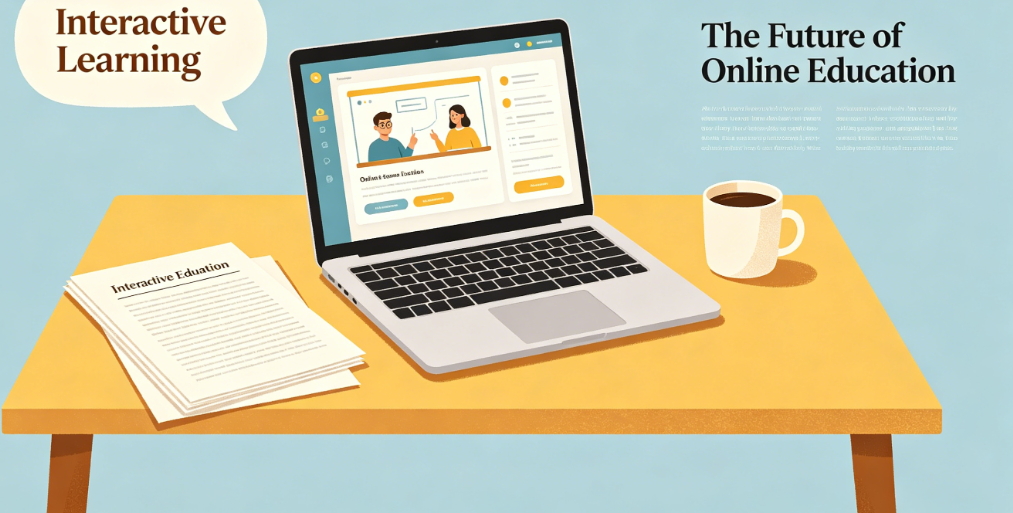
Technological advancements have further enhanced the online learning experience, making it more interactive and personalized. Many online courses now include video lectures, live webinars, interactive quizzes, and discussion forums, creating an engaging environment that mimics in-person learning. Artificial intelligence (AI) tools are also being used to tailor learning paths to individual needs—analyzing a learner’s progress, identifying areas of weakness, and recommending customized content to help them improve. This personalization ensures that each learner gets the support they need to succeed.
Online education also plays a crucial role in promoting educational equity. It provides opportunities for marginalized groups, such as people with disabilities, stay-at-home parents, and those with limited financial resources, to access education that might otherwise be out of reach. For students with physical disabilities, online learning eliminates the need to travel to a campus, allowing them to learn in a comfortable and accessible environment. For low-income learners, many online courses are affordable or even free, reducing the financial burden of education.
While online education offers numerous benefits, it also comes with challenges. Self-discipline is essential, as learners must stay motivated without the structure of a traditional classroom and the supervision of teachers. Technical issues, such as poor internet connectivity, can also disrupt the learning experience. However, these challenges are being addressed with better technology, more user-friendly platforms, and support services to help learners stay on track.
Looking ahead, online education will continue to evolve, driven by technological innovation and changing learner needs. Blended learning—combining online and in-person instruction—will become more common, leveraging the strengths of both models. Virtual reality (VR) and augmented reality (AR) will also play a bigger role, creating immersive learning experiences that make complex topics easier to understand. As online education becomes more inclusive and sophisticated, it will continue to empower learners around the world, making education a lifelong journey accessible to all.