Beauty Salon Acne Treatment: Professional Solutions for Clear, Healthy Skin
Acne is one of the most common skin concerns, affecting people of all ages—from teenagers dealing with hormonal breakouts to adults struggling with persistent or occasional blemishes. While at-home skincare products can help manage mild acne, professional acne treatments at beauty salons offer targeted, effective solutions for stubborn, moderate to severe acne, as well as post-acne scars and discoloration. Backed by trained estheticians, medical-grade products, and advanced technology, salon acne treatments address the root causes of breakouts, rather than just masking symptoms, helping you achieve and maintain clear, healthy skin.
To effectively treat acne, it’s essential to understand its underlying causes. Acne forms when hair follicles become clogged with oil (sebum), dead skin cells, and bacteria, leading to inflammation, redness, and the formation of pimples, blackheads, whiteheads, or even cystic acne. Common triggers include hormonal fluctuations (such as those during puberty, menstruation, pregnancy, or stress), excess oil production, poor skincare habits, diet, and environmental factors. Unlike at-home products that often focus on surface-level care, salon treatments penetrate deeper into the skin to unclog pores, reduce inflammation, kill acne-causing bacteria, and regulate oil production—all while promoting skin healing.
Beauty salons offer a range of specialized acne treatments, each tailored to different skin types and acne severities. These treatments are safe, non-invasive, and customized to minimize irritation, making them suitable for sensitive skin prone to breakouts. Whether you’re dealing with occasional pimples, persistent acne, or post-acne scars, there’s a salon treatment designed to address your specific concerns.
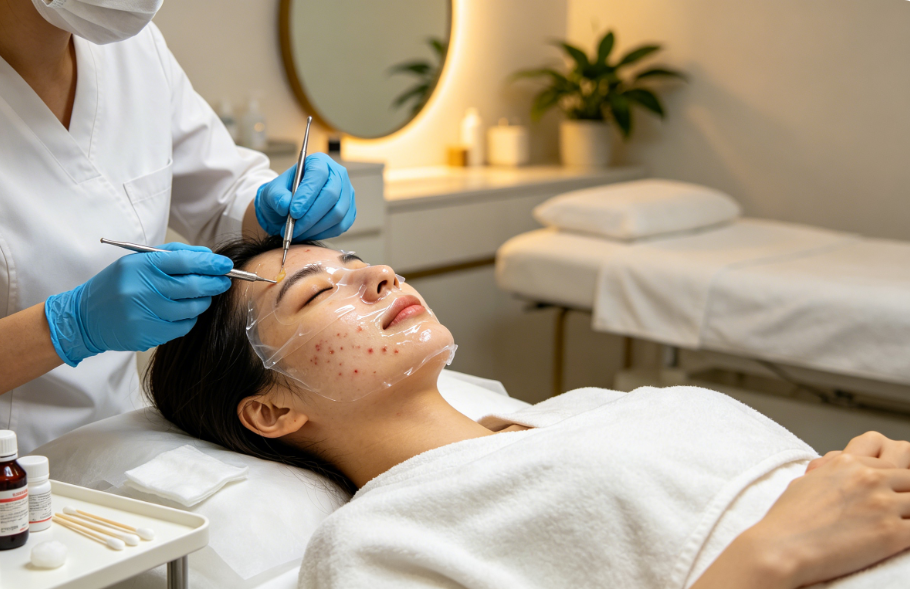
The Acne Clearing Facial is a foundational treatment for anyone struggling with breakouts. This treatment begins with a gentle yet thorough deep cleanse to remove dirt, excess oil, and impurities from the skin’s surface. Next, the esthetician performs a gentle exfoliation to slough off dead skin cells, which helps unclog pores and prevent future breakouts. A key step is extractions—using sterile tools, the esthetician carefully removes blackheads, whiteheads, and trapped oil from pores, reducing inflammation and preventing the spread of bacteria. After extractions, a calming mask infused with anti-inflammatory ingredients (such as salicylic acid, tea tree oil, or niacinamide) is applied to soothe the skin, reduce redness, and kill remaining bacteria. This facial also includes a hydrating serum to balance the skin’s moisture levels, as over-drying can trigger more oil production. Most patients see a noticeable reduction in redness and breakouts after one session, with consistent results after a series of 4-6 treatments.
Salon-grade Chemical Peels are highly effective for treating moderate to severe acne and post-acne discoloration. These peels use a blend of medical-grade acids—such as salicylic acid, glycolic acid, or lactic acid—to penetrate the skin’s layers, unclog pores, exfoliate dead skin cells, and reduce inflammation. Salicylic acid, in particular, is ideal for acne-prone skin, as it penetrates oil-filled pores and breaks down the debris that causes breakouts. The strength of the peel is adjusted based on your skin type and acne severity: gentle peels for sensitive skin, and deeper peels for more stubborn acne. After treatment, the skin may experience mild peeling for 2-3 days, which reveals smoother, clearer skin underneath. Chemical peels not only treat active acne but also fade post-acne redness and dark spots, improving overall skin tone.
For persistent or cystic acne, many salons offer LED Light Therapy—a non-invasive, painless treatment that uses specific wavelengths of light to target acne-causing bacteria and reduce inflammation. Blue light is particularly effective for killing Propionibacterium acnes (the bacteria that causes acne), while red light helps soothe inflammation and promote skin healing. The treatment involves sitting under an LED light for 15-20 minutes, with no downtime or side effects. Most patients require 6-8 sessions to see full results, with sessions spaced 1-2 weeks apart. LED light therapy is also safe for sensitive skin and can be used in combination with other treatments for enhanced results.
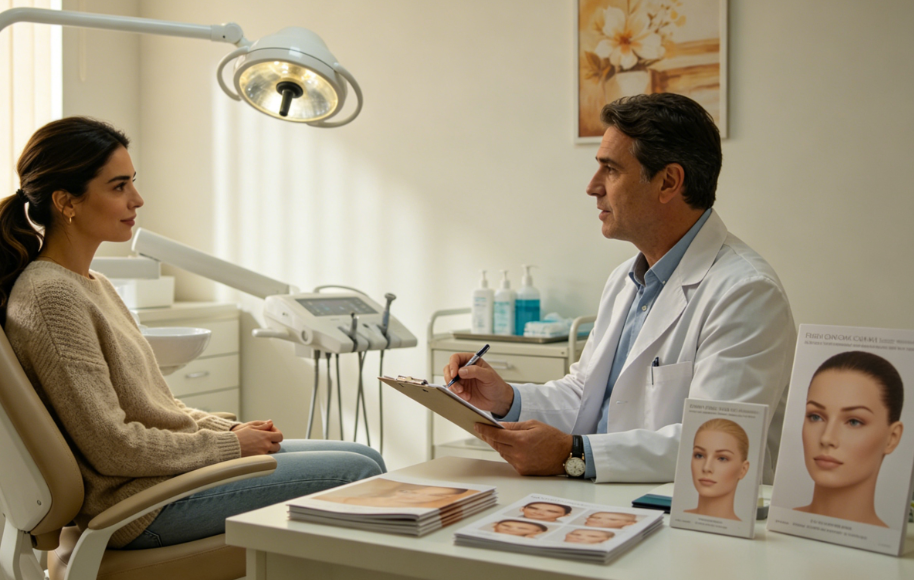
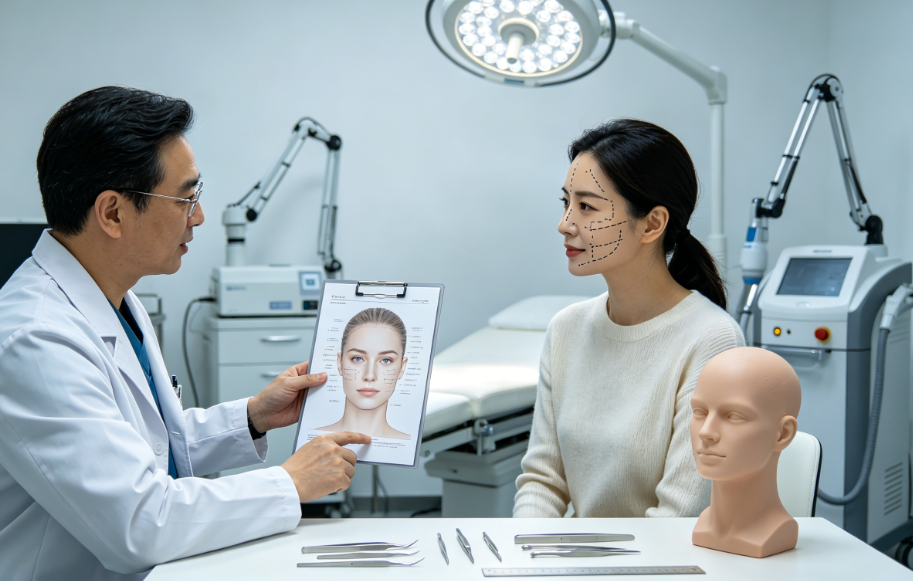
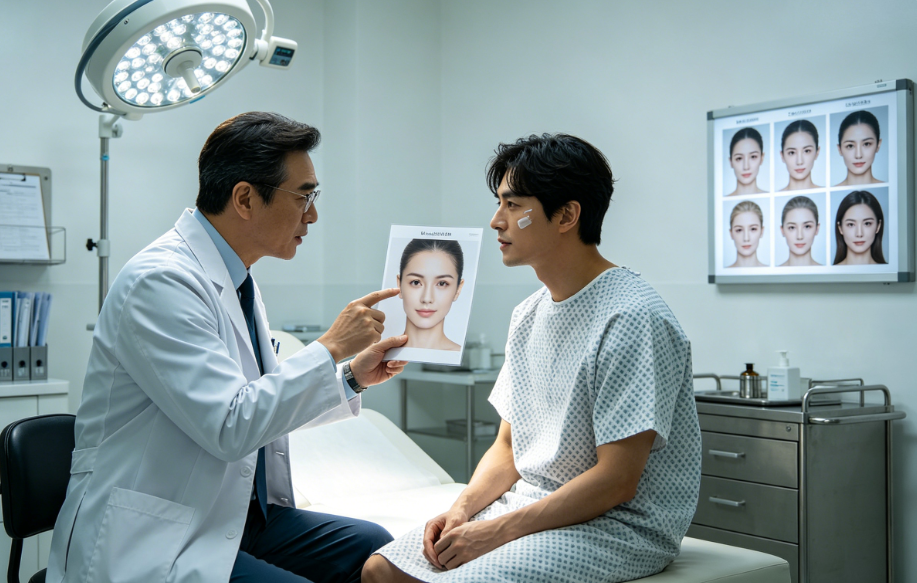
Before undergoing any acne treatment, a professional consultation with a salon esthetician is crucial. The esthetician will assess your skin type, identify the type and severity of your acne, and determine the root causes of your breakouts. They will explain the treatment process in detail, including any potential temporary side effects (such as mild redness, dryness, or peeling) and provide personalized post-treatment care instructions. It’s important to disclose any skin conditions, allergies, or medications you’re taking, as well as your current skincare routine, to ensure the treatment is safe and tailored to your needs.
Post-treatment care is essential to maximizing the effectiveness of salon acne treatments and preventing future breakouts. The esthetician will recommend gentle, non-comedogenic (non-pore-clogging) skincare products to use at home, including a mild cleanser, oil-free moisturizer, and sunscreen. Avoid harsh products containing alcohol, fragrances, or heavy oils, as these can irritate the skin and trigger breakouts. It’s also important to avoid picking or touching your face, as this can spread bacteria and cause scarring. Additionally, maintaining a healthy diet (low in sugar and processed foods), staying hydrated, and managing stress can help regulate oil production and reduce acne flare-ups.
For those dealing with post-acne scars, many salons offer additional treatments to improve skin texture and reduce scarring. Microdermabrasion, for example, uses tiny crystals to exfoliate the skin’s surface, minimizing the appearance of shallow scars and uneven texture. For deeper scars, laser therapy can stimulate collagen production, helping to fill in scars and restore smooth skin. These treatments can be combined with acne-clearing treatments to address both active breakouts and existing scarring.
It’s important to have realistic expectations when it comes to salon acne treatments. While these treatments are highly effective, they are not a one-time fix. Acne is a chronic condition for many, and consistent treatment—both in the salon and at home—is key to maintaining clear skin. A skilled esthetician will work with you to create a long-term plan that addresses your specific needs, ensuring you achieve and keep the clear, healthy skin you desire.
In conclusion, beauty salon acne treatments offer a safe, effective way to address active breakouts, reduce inflammation, and fade post-acne scars. With personalized care, medical-grade ingredients, and advanced technology, these treatments target the root causes of acne, helping you achieve clear, healthy skin. By working with a trained esthetician, following post-treatment care instructions, and maintaining a consistent at-home skincare routine, you can say goodbye to stubborn acne and hello to a confident, radiant complexion.