Treating Cervical Pain: Effective Strategies to Relieve Neck Discomfort and Restore Spine Health
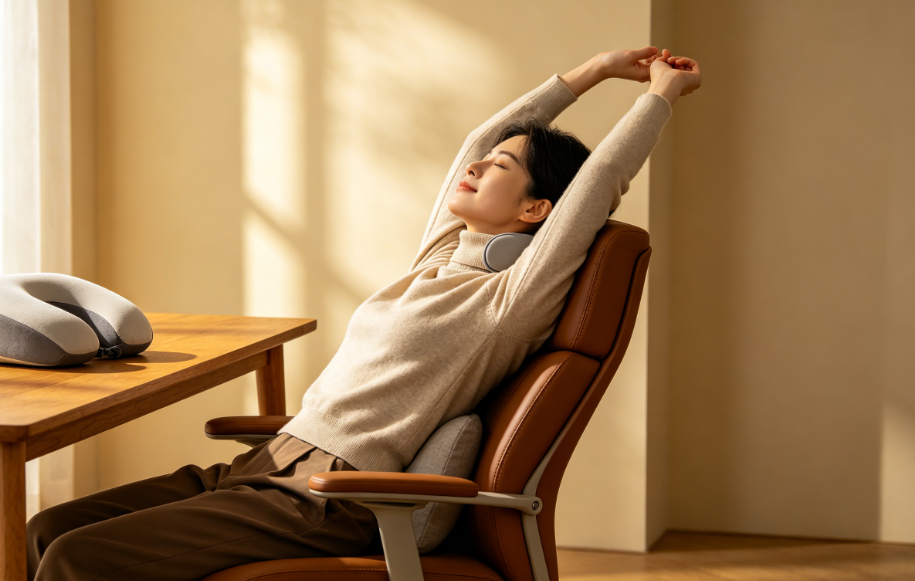
Cervical pain, or neck pain, is a pervasive issue in modern life, fueled by sedentary lifestyles, prolonged screen use, poor posture, and repetitive movements. The cervical spine—composed of seven vertebrae, discs, muscles, and nerves—supports the weight of the head and enables flexible movement, but its delicacy makes it vulnerable to strain and injury. From mild stiffness that fades with rest to chronic pain that disrupts daily life, cervical discomfort can range in severity, but the good news is that most cases can be treated effectively with non-invasive methods. This article explores evidence-based treatments for cervical pain, addressing both immediate relief and long-term spine health.
Common Causes of Cervical Pain
Understanding the root cause of cervical pain is essential for choosing the right treatment. The most frequent triggers include:
- Poor Posture: “Text neck” (hunching over smartphones), slouching at desks, or leaning forward while working on computers shifts the head’s weight forward, straining cervical muscles and vertebrae.
- Muscle Strain: Repetitive movements (e.g., typing, lifting heavy objects) or sudden twists (e.g., whiplash from a car accident) can tear or overstretch neck muscles and ligaments.
- Sleep-Related Strain: Sleeping on an unsupportive pillow, sleeping on the stomach, or maintaining an awkward neck position overnight can cause morning stiffness and pain.
- Degenerative Changes: As we age, cervical discs lose moisture and elasticity, leading to conditions like cervical spondylosis (wear and tear) or herniated discs, which press on nearby nerves.
- Stress and Tension: Chronic stress often causes tightness in the neck and shoulder muscles, exacerbating cervical pain over time.
Immediate Relief: Treating Acute Cervical Pain
For sudden or mild cervical pain (acute pain, lasting less than 4 weeks), these home remedies can provide quick relief and reduce inflammation:
1. Heat and Cold Therapy
For the first 48 hours after a strain or injury, apply a cold pack (wrapped in a thin towel) to the painful area for 10–15 minutes at a time. Cold therapy reduces inflammation and numbs pain. After 48 hours, switch to heat therapy—use a heating pad, warm compress, or hot water bottle for 15–20 minutes to relax tight muscles and improve blood flow. Alternating heat and cold can also be effective for persistent stiffness.
2. Gentle Stretching
Perform slow, gentle stretches to release tension without straining the neck. Avoid sharp or forceful movements. Recommended stretches include:
- Chin Tuck: Sit or stand tall, gently pull your chin toward your chest, feeling a stretch at the back of your neck. Hold for 20 seconds, repeat 3–4 times.
- Neck Tilt: Tilt your head slowly to one side, bringing your ear toward your shoulder (keep the opposite shoulder down). Hold for 20 seconds, then switch sides. Repeat 3 times per side.
- Shoulder Roll: Roll your shoulders forward in a circular motion 5 times, then backward 5 times. This relieves tension in the upper back, which often radiates to the neck.
3. Over-the-Counter Pain Relief
For mild to moderate pain, over-the-counter nonsteroidal anti-inflammatory drugs (NSAIDs), such as ibuprofen or naproxen, can reduce inflammation and relieve discomfort. Follow the dosage instructions carefully to avoid side effects. Topical pain creams or gels (e.g., those containing menthol or lidocaine) can also provide localized relief when applied to the painful area.
Long-Term Treatment: Restoring Cervical Health
For chronic cervical pain (lasting more than 4 weeks) or recurring discomfort, a long-term approach is needed to address underlying issues and prevent future pain. Key strategies include:
1. Posture Correction and Ergonomics
Poor posture is the leading cause of chronic cervical pain. Make these adjustments to reduce strain:
- When sitting at a desk, keep your back straight, shoulders relaxed, and head aligned with your spine. Use a chair with lumbar support to maintain proper posture.
- Position your computer screen at eye level to avoid craning your neck up or down. Your arms should rest comfortably at a 90-degree angle.
- When using a smartphone, hold it at eye level instead of bending your neck downward. Take frequent breaks to stretch and reset your posture.
2. Strengthening Exercises
Strong neck and shoulder muscles provide better support for the cervical spine, reducing the risk of strain. Incorporate these gentle exercises into your routine 2–3 times per week:
- Shoulder Squeeze: Sit or stand tall, squeeze your shoulder blades together behind your back, hold for 5 seconds, then release. Repeat 10 times.
- Neck Isometrics: Place your hand on one side of your head, gently push your head against your hand (without moving your head), and hold for 10 seconds. Repeat on the other side. This strengthens the neck muscles without straining the spine.
- Resistance Band Pulls: Hold a resistance band behind your head, grab both ends, and gently pull the band apart, keeping your head straight. Repeat 10–12 times. This strengthens the upper back and neck muscles.
3. Improved Sleep Habits
Sleeping with the right pillow and position is crucial for cervical health. Choose a pillow that supports your neck’s natural curve—memory foam or latex pillows are ideal, as they conform to your neck’s shape. Sleep on your back or side (avoid sleeping on your stomach, as it strains the neck and misaligns the spine). If you sleep on your side, place a pillow between your knees to keep your body aligned, reducing strain on the neck.
4. Massage and Muscle Relaxation
Gentle massage can release tight muscle knots (trigger points) and reduce tension. You can perform self-massage using your fingertips: apply gentle pressure to the tight areas of your neck and shoulders, kneading in circular motions. For more persistent tension, consider a professional massage from a therapist trained in neck and shoulder pain. Additionally, stress-management techniques like deep breathing, meditation, or progressive muscle relaxation can help reduce stress-induced muscle tension.
When to Seek Professional Help
Most cervical pain improves with home treatments and lifestyle changes, but seek medical attention if you experience any of the following:
- Pain that lasts more than 2 weeks and does not improve with home care.
- Pain that radiates down your arm, causing numbness, tingling, or weakness in your fingers (a sign of nerve compression).
- Difficulty moving your neck, or accompanying symptoms like dizziness, severe headaches, blurred vision, or difficulty swallowing.
- Pain after a traumatic injury (e.g., car accident, fall), which may indicate whiplash or a more serious injury.
A healthcare provider may recommend physical therapy, chiropractic adjustments, or imaging tests (e.g., X-ray, MRI) to diagnose the underlying cause and create a personalized treatment plan. In rare cases, medication or surgery may be necessary for severe conditions like herniated discs or spinal stenosis.
Preventing Cervical Pain: Key Habits to Adopt
The best treatment for cervical pain is prevention. Incorporate these habits into your daily life to protect your cervical spine:
- Take a 5-minute break every 30 minutes when working on computers or using smartphones—stand up, stretch, and move your neck gently.
- Maintain good posture at all times, whether sitting, standing, or walking.
- Avoid carrying heavy bags on one shoulder, as this strains the neck and shoulders.
- Stay hydrated—water helps keep cervical discs hydrated and flexible.
- Exercise regularly to keep neck and shoulder muscles strong and flexible.
Final Thoughts
Cervical pain is a common but manageable condition. By addressing the root cause, using immediate relief techniques, and adopting long-term healthy habits, you can relieve discomfort and restore your cervical spine’s health. Remember, small, consistent changes—like improving your posture or doing daily stretches—can make a significant difference in preventing and treating cervical pain. If pain persists, don’t hesitate to seek professional help—early intervention is key to avoiding long-term complications and maintaining a healthy, pain-free neck.