Home Renovation 101: Tips, Trends, and Practical Advice for a Successful Project
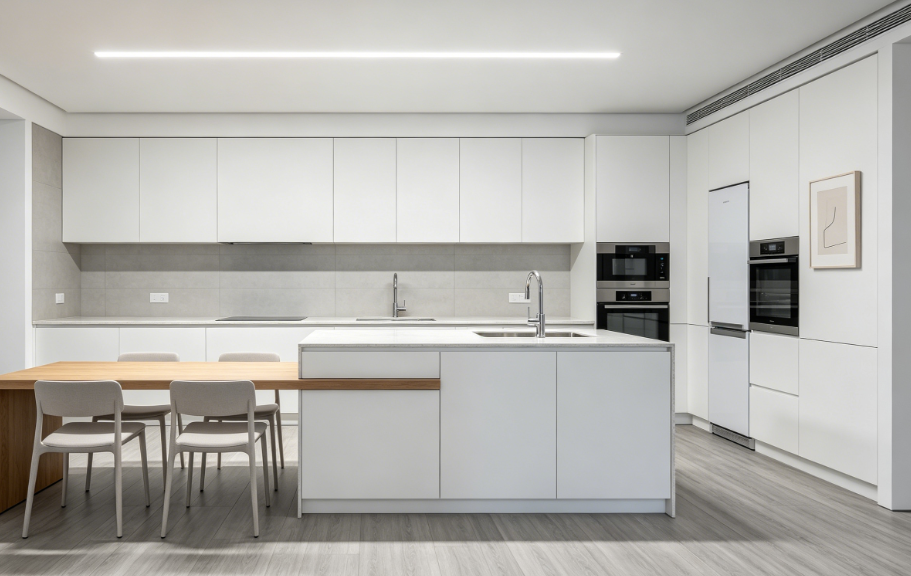
Embarking on a home renovation project is both exciting and challenging. Whether you’re looking to refresh a tired room, upgrade your home’s functionality, or increase its market value, a well-executed renovation can transform your living space into something truly special. However, without proper planning and attention to detail, even the smallest projects can become stressful and costly. This article shares essential tips, current trends, and practical advice to help you navigate your home renovation journey with confidence.
Understand Your “Why” and Set Clear Objectives
Before picking up a paintbrush or hiring a contractor, take the time to define the purpose of your renovation. Are you renovating to make your home more comfortable for your family? To fix outdated features? Or to boost its resale value? Your “why” will shape every decision, from the scope of work to the materials you choose. For example, if you’re renovating to sell, focus on neutral designs and high-impact upgrades (like kitchen and bathroom updates) that appeal to a wide range of buyers. If you’re staying long-term, prioritize personal style and functionality that aligns with your lifestyle.
Set a Realistic Budget (and Stick to It)
One of the most common pitfalls of home renovation is underestimating costs. To avoid overspending, create a detailed budget that includes all expenses: materials, labor, permits, design fees, and a 10-15% contingency fund for unexpected issues (such as hidden water damage, material shortages, or last-minute changes). Research the average cost of materials and labor in your area, and get quotes from multiple contractors to ensure you’re getting a fair price. Be disciplined about your budget—if a feature exceeds your limit, consider alternative materials or scale back the project rather than overextending financially.
Choose Timeless Over Trendy (When Possible)
While it’s tempting to embrace the latest design trends, it’s important to balance trendiness with timelessness—especially if you plan to sell your home in the future. Trends come and go, but classic designs (like neutral color palettes, hardwood floors, and simple cabinetry) remain appealing for years. If you love a trendy element (such as bold wallpaper or colorful backsplashes), use it in small, easily changeable ways (like accent walls or decor) rather than permanent fixtures. This way, you can update your space later without a major renovation.
Hire the Right Professionals (and Vet Them Carefully)
For most renovation projects—especially those involving electrical work, plumbing, or structural changes—hiring licensed professionals is non-negotiable. Not only do they have the expertise to ensure the work is safe and up to code, but they can also save you time and money by avoiding costly mistakes. When hiring contractors, do your research: check their reviews, ask for references, verify their licenses and insurance, and get a detailed written contract that outlines the scope of work, timeline, and payment schedule. Communication is key—choose a contractor who listens to your needs and keeps you updated on progress.
Don’t Overlook the Details
Small details can make a big difference in the final outcome of your renovation. Pay attention to elements like lighting, storage, and functionality. For example, in the kitchen, add under-cabinet lighting for better visibility while cooking, and install pull-out drawers in cabinets for easier access to items. In the bathroom, choose moisture-resistant paint and fixtures to prevent mold and mildew. Don’t forget about ventilation—proper airflow in kitchens and bathrooms is essential for maintaining a healthy home.
Embrace Sustainability and Energy Efficiency
Sustainable and energy-efficient renovations are not only good for the environment but also save you money on utility bills in the long run. Consider incorporating energy-efficient appliances, LED lighting, and double-paned windows to reduce energy consumption. Choose eco-friendly materials, such as reclaimed wood, low-VOC paint, and recycled tile, to minimize your carbon footprint. You can also add insulation to your walls and attic to improve energy efficiency and make your home more comfortable year-round.
Prepare for Disruption
Renovations are messy and disruptive—there’s no way around it. Prepare yourself and your family for noise, dust, and limited access to certain areas of your home. If the renovation is extensive, consider staying with family or in a temporary rental to avoid the stress of living in a construction zone. Create a timeline with your contractor and set realistic expectations—delays are common, so be flexible and patient.
Enjoy the Process (and the Result!)
Home renovation is a journey, and while it can be stressful at times, it’s important to enjoy the process. Celebrate small milestones (like the completion of a room or the installation of new fixtures) and visualize the end result. When the project is finished, take the time to appreciate your newly transformed space—one that’s tailored to your style, meets your needs, and feels like home. Whether you’re relaxing in your updated living room, cooking in your new kitchen, or unwinding in your renovated bathroom, your hard work will be worth it.