Cosmetic Plastic Surgery: A Guide to Safe, Confidence-Boosting Transformations

Cosmetic plastic surgery has evolved into a sophisticated and widely accepted field, offering individuals the opportunity to enhance their natural features, correct aesthetic concerns, and boost their self-confidence. Unlike reconstructive surgery, which focuses on repairing damage from injury, illness, or congenital conditions, cosmetic plastic surgery is elective, designed to improve one’s appearance and align it with their personal aesthetic goals. From subtle enhancements like facial fillers to more transformative procedures such as breast augmentation or rhinoplasty, cosmetic surgery combines advanced medical technology with artistic skill to deliver natural-looking, personalized results. This article explores the key aspects of cosmetic plastic surgery, including popular procedures, safety considerations, and the importance of making informed decisions.
The world of cosmetic plastic surgery encompasses a wide range of procedures, each tailored to address specific aesthetic concerns. Facial procedures are among the most popular, as they target visible signs of aging and enhance facial symmetry. Rhinoplasty, commonly known as a “nose job,” reshapes the nose to improve its proportion with the rest of the face, correcting issues like a crooked bridge, oversized tip, or breathing difficulties (in some cases). Facelifts and neck lifts tighten sagging skin, reduce wrinkles, and restore a more youthful contour to the face and neck, addressing signs of aging such as jowls, loose skin, and deep creases. Non-surgical facial treatments, including Botox injections and dermal fillers, offer a less invasive alternative to surgery, reducing fine lines, plumping lips, and restoring facial volume without downtime.
Body contouring procedures are also highly sought after, helping individuals achieve a more toned, proportionate physique. Breast augmentation involves the use of implants or fat transfer to enhance breast size and shape, while breast reduction relieves physical discomfort (such as back pain) and improves body balance for those with overly large breasts. Liposuction targets stubborn fat deposits that are resistant to diet and exercise, sculpting areas like the abdomen, thighs, hips, and arms. Tummy tucks, or abdominoplasties, remove excess skin and fat from the abdomen and tighten the abdominal muscles, creating a flatter, more toned midsection. These procedures not only enhance appearance but also often boost self-esteem by helping individuals feel more comfortable in their own bodies.
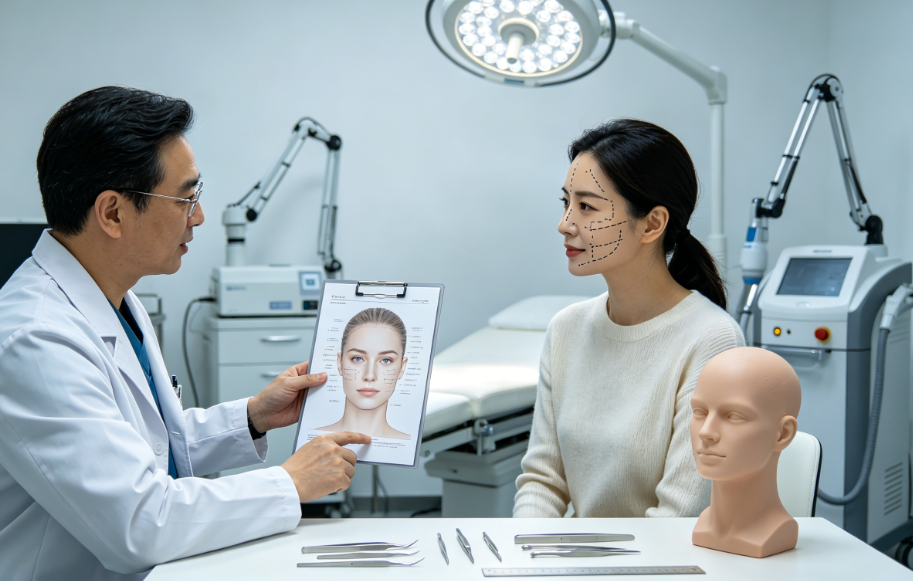
Safety is the cornerstone of any cosmetic plastic surgery procedure, and choosing a qualified, board-certified plastic surgeon is the most critical step in ensuring a positive outcome. A reputable surgeon will have extensive training, years of experience, and a proven track record of successful procedures. Before any surgery, the surgeon will conduct a thorough consultation, evaluating the patient’s medical history, current health, and aesthetic goals. They will explain the procedure in detail, including potential risks, benefits, recovery time, and expected results, ensuring the patient is fully informed and realistic about what the surgery can achieve. It is essential to ask questions, voice concerns, and ensure open communication with the surgeon to build trust and confidence.
Preparing for cosmetic surgery involves more than just choosing a surgeon—it also requires taking steps to optimize one’s health before the procedure. Patients are typically advised to quit smoking (if applicable) several weeks before surgery, as smoking can impair healing and increase the risk of complications. They may also need to adjust medications or supplements that could interfere with blood clotting or anesthesia. Maintaining a healthy diet and staying hydrated in the weeks leading up to surgery can also support the body’s healing process. Following the surgeon’s pre-operative instructions closely is crucial to minimizing risks and ensuring a smooth procedure.
Post-operative care is equally important for a successful recovery and optimal results. Each procedure has specific recovery guidelines, but common recommendations include getting plenty of rest, avoiding strenuous activity for a specified period, and keeping the surgical area clean and dry. Patients may experience some swelling, bruising, or discomfort in the days and weeks following surgery, which can be managed with prescribed medications or over-the-counter pain relievers. It is vital to attend all follow-up appointments with the surgeon, who will monitor healing, remove sutures if needed, and address any concerns that arise during recovery. Rushing the recovery process or ignoring post-operative instructions can lead to complications, such as infection, scarring, or poor results.
It is important to approach cosmetic plastic surgery with realistic expectations. While these procedures can significantly enhance appearance and boost confidence, they cannot completely transform one’s features or solve underlying self-esteem issues. Cosmetic surgery is a tool to improve what you already have, not to create an entirely new persona. A good plastic surgeon will work with you to set realistic goals, ensuring the results are natural-looking and complement your unique features. It is also important to recognize that cosmetic surgery is a personal choice—there is no “right” reason to undergo a procedure, as long as it is done for yourself and not to meet others’ expectations.
In recent years, advancements in technology have made cosmetic plastic surgery safer, more precise, and more accessible than ever before. Minimally invasive procedures, such as laser treatments and endoscopic surgery, reduce scarring, minimize downtime, and speed up recovery. 3D imaging technology allows patients to see a preview of their potential results before the surgery, helping them make more informed decisions. These innovations have made cosmetic surgery a more approachable option for those seeking subtle or transformative changes.
In conclusion, cosmetic plastic surgery is a personal journey that combines medical expertise with individual aesthetic goals. When done safely and with realistic expectations, it can be a powerful tool to enhance natural beauty, correct aesthetic concerns, and boost self-confidence. By choosing a qualified surgeon, following pre and post-operative guidelines, and approaching the process with an open mind, individuals can achieve the results they desire while prioritizing their health and well-being. Remember, the goal of cosmetic plastic surgery is to help you feel more confident and comfortable in your own skin—and that is the true measure of its success.