Online Education: Bridging Gaps and Shaping the Future of Learning
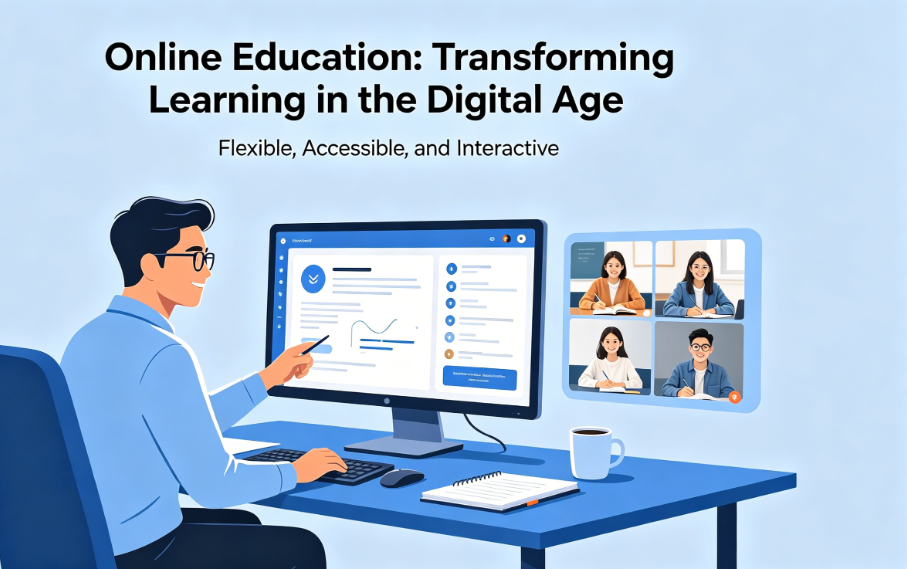
With the rapid development of digital technology, online education has become an indispensable part of the global educational system, transforming the way people learn and acquire knowledge. No longer limited by time and space, it has opened up new possibilities for learners of all ages, backgrounds, and regions, making quality education more accessible and inclusive than ever before.
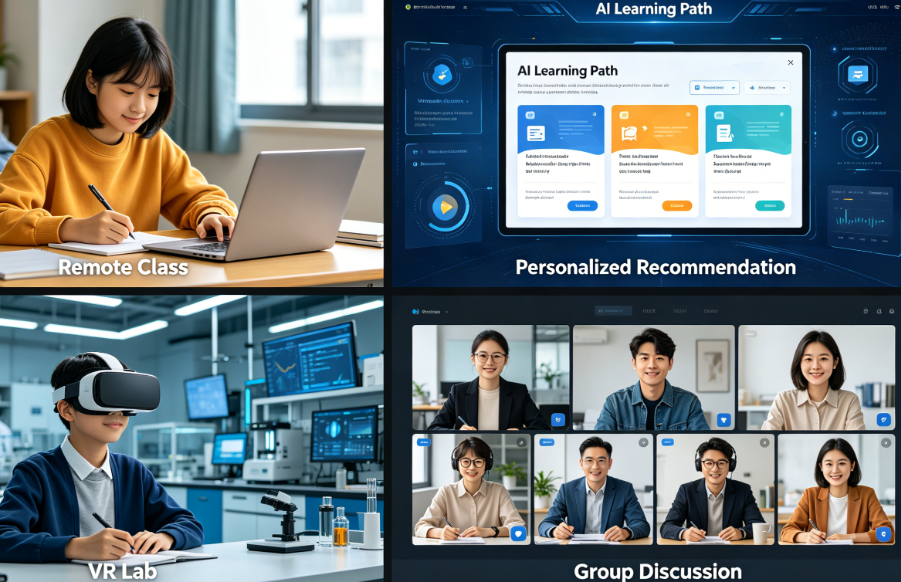
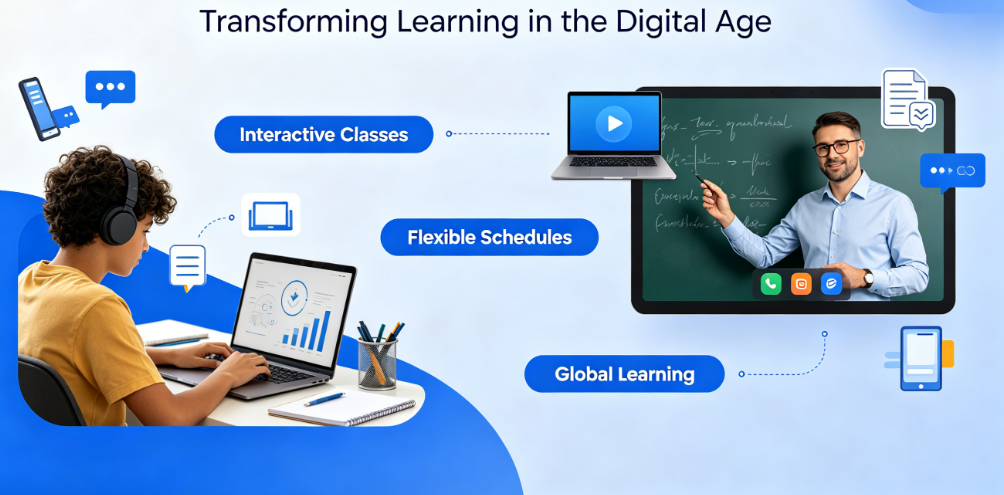
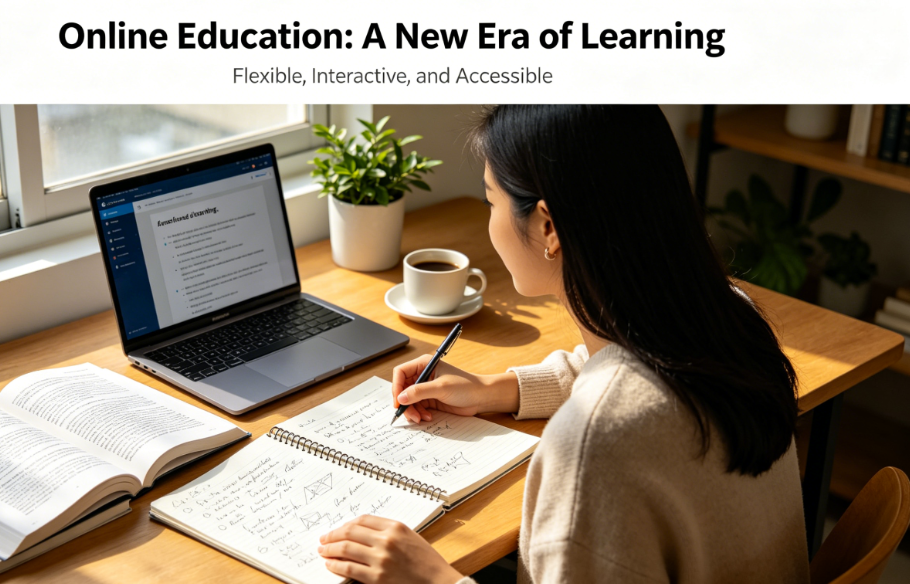
Online education’s greatest strength lies in its accessibility and flexibility. Unlike traditional classroom learning, which requires fixed schedules and physical attendance, online courses allow learners to study at their own pace, whenever and wherever it is convenient. This flexibility is particularly beneficial for working adults who want to enhance their professional skills, students who need supplementary learning resources, and individuals living in remote areas where access to formal education is limited. For instance, a professional in a small town can enroll in an advanced business course offered by a world-class university without having to relocate, while a high school student can review difficult subjects after class through interactive online tutorials.
Another key advantage of online education is its ability to offer personalized learning experiences. Through advanced technologies such as artificial intelligence and data analytics, online learning platforms can track learners’ progress, identify their strengths and weaknesses, and tailor learning content to meet their individual needs. Interactive tools like live lectures, discussion boards, and virtual group projects also make learning more engaging and collaborative, encouraging active participation rather than passive listening. This personalized approach not only improves learning efficiency but also helps learners stay motivated and focused on their goals.
While online education brings numerous benefits, it also faces certain challenges. The digital divide, which refers to the gap between those who have access to digital devices and high-speed internet and those who do not, remains a major issue. In some underdeveloped regions, learners may struggle to participate in online courses due to limited internet access or lack of necessary devices, which hinders the realization of educational equity. Additionally, some learners may find it difficult to maintain self-discipline without the supervision of teachers and peers, leading to poor learning outcomes. Moreover, the lack of in-person interaction can sometimes make learning feel isolated, affecting the overall learning experience.
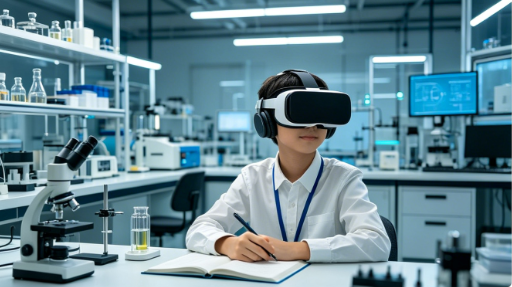
Despite these challenges, the future of online education is promising. Technological innovations such as virtual reality (VR) and augmented reality (AR) are being integrated into online learning, creating immersive experiences that simulate real-world scenarios. For example, medical students can practice surgical procedures through VR simulations, while history students can “visit” ancient civilizations in a virtual environment. Furthermore, the rise of microcredentials and online certificate programs has made it easier for learners to acquire specific skills quickly, meeting the changing demands of the job market. Educators are also constantly improving their online teaching methods, combining traditional teaching concepts with digital tools to provide a more comprehensive learning experience.
In summary, online education has revolutionized the educational landscape by breaking down barriers, offering flexibility, and providing personalized learning opportunities. While it still has room for improvement in addressing the digital divide and enhancing interaction, its potential to shape the future of learning is undeniable. As technology continues to advance, online education will continue to evolve, becoming more inclusive, engaging, and effective, and empowering more people to pursue lifelong learning and achieve their full potential.