Narrow Kitchen Cabinet Storage: Honest Renter Hacks After Failed Product Tests
Why My Narrow Kitchen Cabinet Stayed Messy No Matter How I Tidied
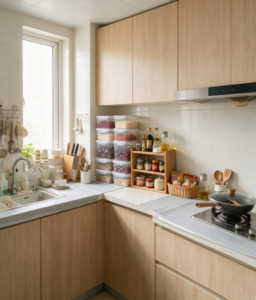
Rental kitchen cabinets are rarely designed with practical daily use in mind, and my current apartment’s upper kitchen cabinet is a perfect example of this oversight. I’ve rented five urban apartments over the past eight years, and this narrow cabinet setup is one of the most restrictive I’ve dealt with. I measured the internal space precisely for my organizing trials: 28cm deep, 55cm wide, and 35cm tall. This shallow, compact dimension is standard for old apartment kitchen renovations, yet almost all mainstream storage gear is built for deeper, wider standard cabinets.
For months, I struggled with persistent clutter in this small space. Spice bottles toppled over constantly, snack packets slid into unreachable back corners, and tall seasoning jars blocked the entire cabinet view. I’d spend 20 minutes tidying it up on weekends, only for it to fall back into disarray by midweek. I initially blamed my casual packing habits, but after testing two highly popular kitchen storage products and watching them underperform in real daily use, I realized the core issue was ill-fitting tools, not my organizing routine.
Two Popular Cabinet Organizers That Failed My Narrow Shallow Cabinet
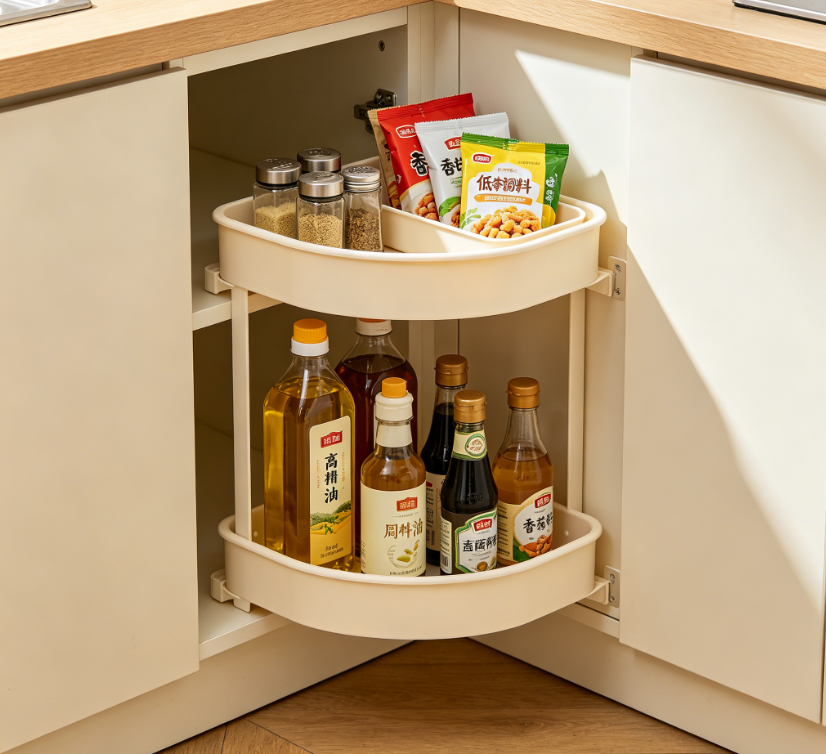
The first product I tried was a common expandable spice rack shelf, a top-rated item for small kitchen cabinets. Its adjustable width ranges from 40cm to 65cm, which seemed to match my 55cm cabinet width perfectly on paper. I installed it hoping the tiered design would separate tall and short items and stop bottles from tipping. The real-world results were far less functional than product previews suggested.
The shelf’s fixed base depth is 30cm, 2cm deeper than my cabinet’s internal depth. This small mismatch created consistent problems. Every time I closed the cabinet door, the back edge of the shelf pressed against the cabinet’s rear wood panel, while the front edge protruded slightly. On humid days, the wooden cabinet door swelled a little, making it hard to shut fully. The forced pressure also shifted the shelf slightly each time I opened or closed the door, gradually loosening its stable position. After a month, the whole rack sat lopsided, and bottles slid off the tilted tiers more often than they had before I installed the shelf.
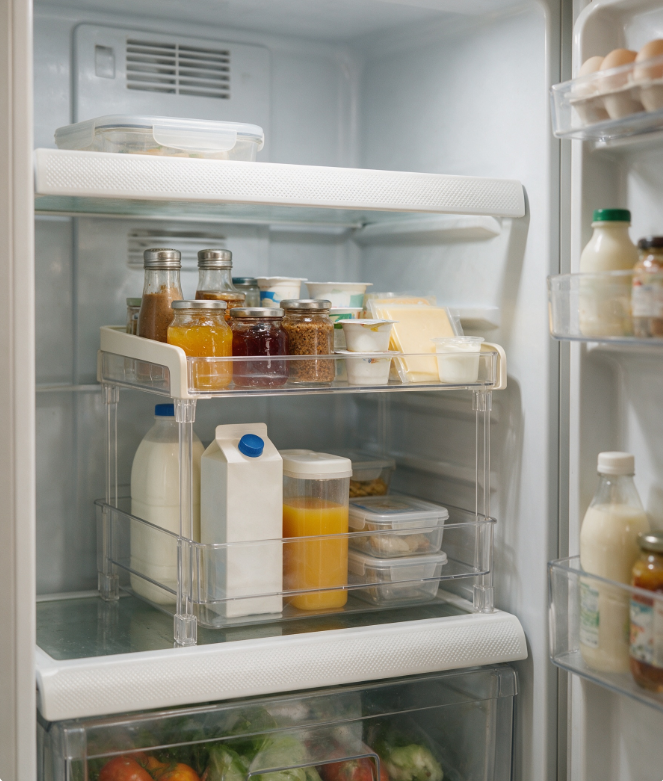
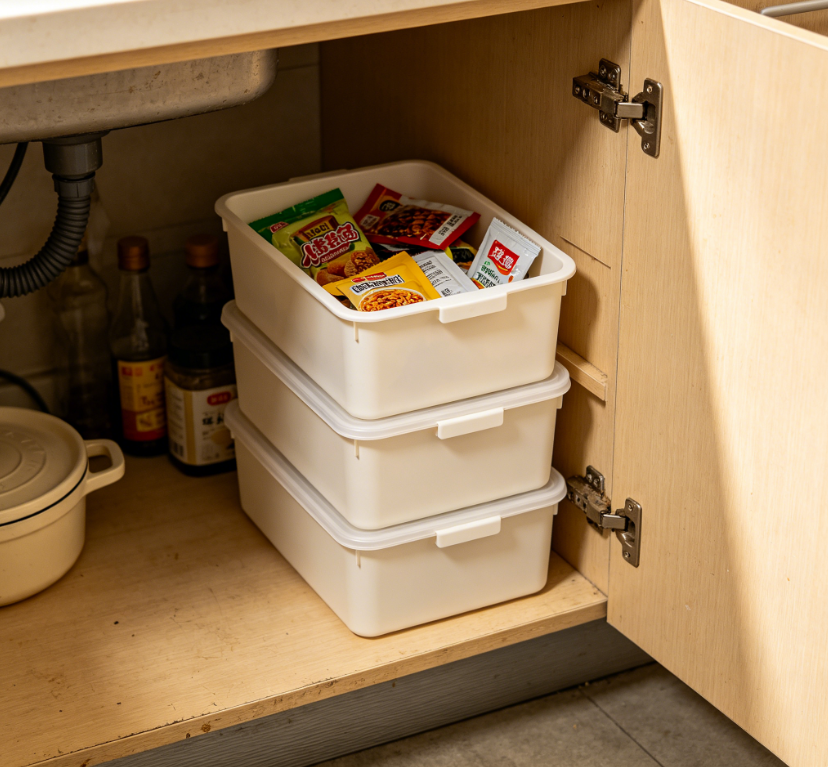
I also tested stackable square plastic food storage bins, widely recommended for organizing dry goods and snacks in kitchen cabinets. These clear bins look neat and uniform in social media photos, but their rigid square structure wastes massive space in shallow narrow cabinets. Each bin has a fixed height of 12cm, meaning I could only stack two layers at most inside my 35cm tall cabinet. The straight vertical sides could not adapt to the slight uneven gap between the cabinet wall and the shelf edge, leaving a useless strip of space on both sides.
Worse, the stacked setup created accessibility issues. To grab a single small snack packet from the bottom bin, I had to lift out the entire top container first. This repetitive hassle made me lazy about putting items back neatly, and loose packets began piling on top of the stacked bins. It turned an organized system into a messy pile faster than I expected.
Tailored Narrow Cabinet Layout Built for Shallow Rental Dimensions
After removing both ineffective products, I rebuilt my storage system entirely around my cabinet’s fixed 28cm shallow depth and limited width. I abandoned rigid, universal organizers and opted for low-profile, flexible tools that work with the space’s limitations instead of fighting against them.
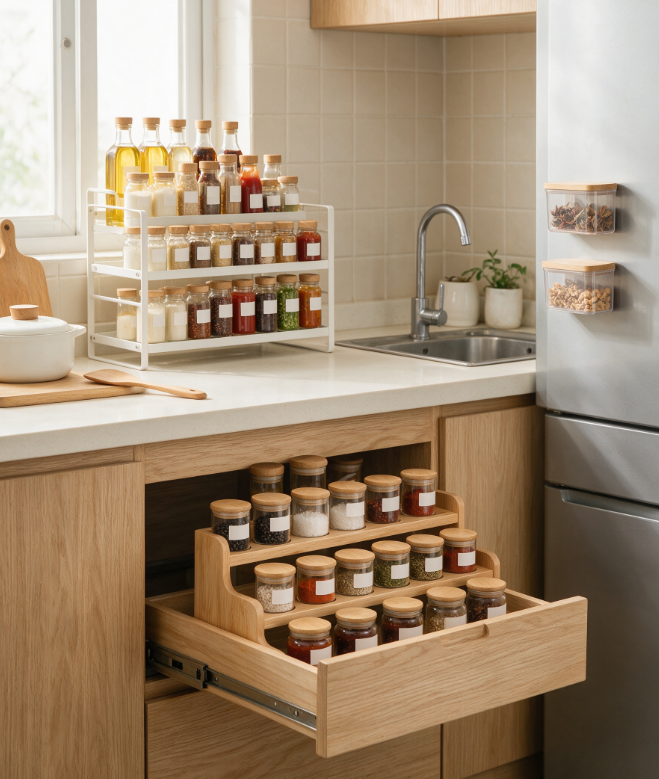
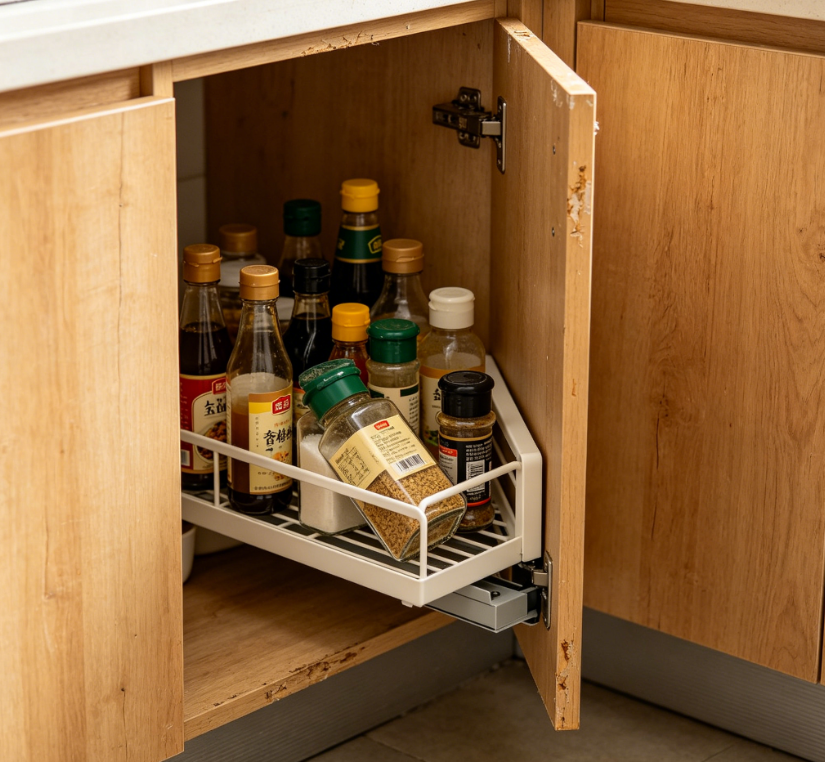
I replaced the expandable spice rack with two fixed 26cm shallow non-expandable shelf risers. The 2cm shorter depth creates a safe buffer zone, so the shelf never presses against the cabinet door or rear panel. I spaced the two risers with a small gap in the middle to adapt to the cabinet’s slight uneven interior walls. The lower tier holds tall seasoning bottles and cooking oil mini bottles, while the upper tier stores small spice jars and salt or pepper shakers. Tiered layering creates clear front-and-back visibility, so I no longer lose small items in hidden gaps.
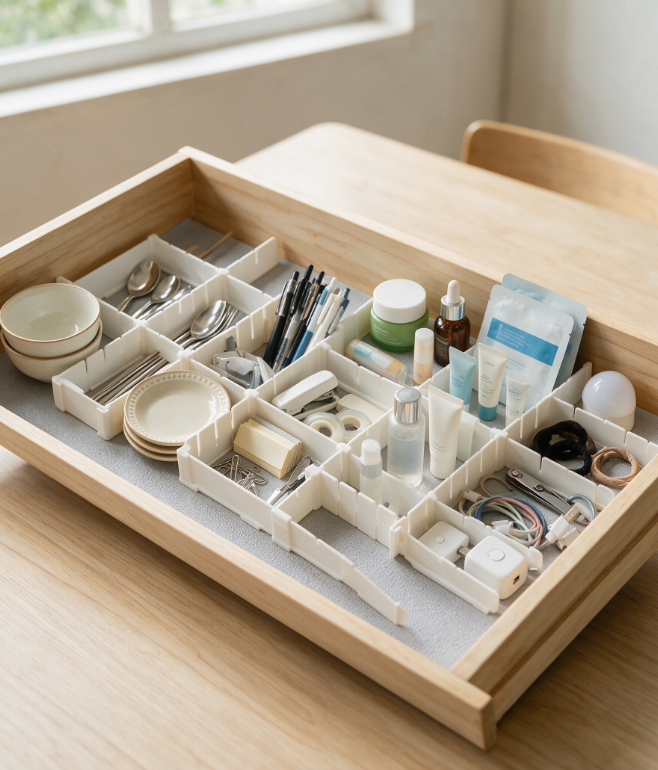
For dry snacks and packaged goods, I swapped rigid square bins for low-profile rectangular open trays. These flexible plastic trays have soft rounded edges, allowing them to fit the uneven side gaps of narrow cabinets. I group items by daily usage instead of strict category. Quick-grab breakfast snacks sit in one tray, while baking supplies and seasoning sachets sit in another. The open-top design means I can retrieve single items without lifting or moving entire containers.
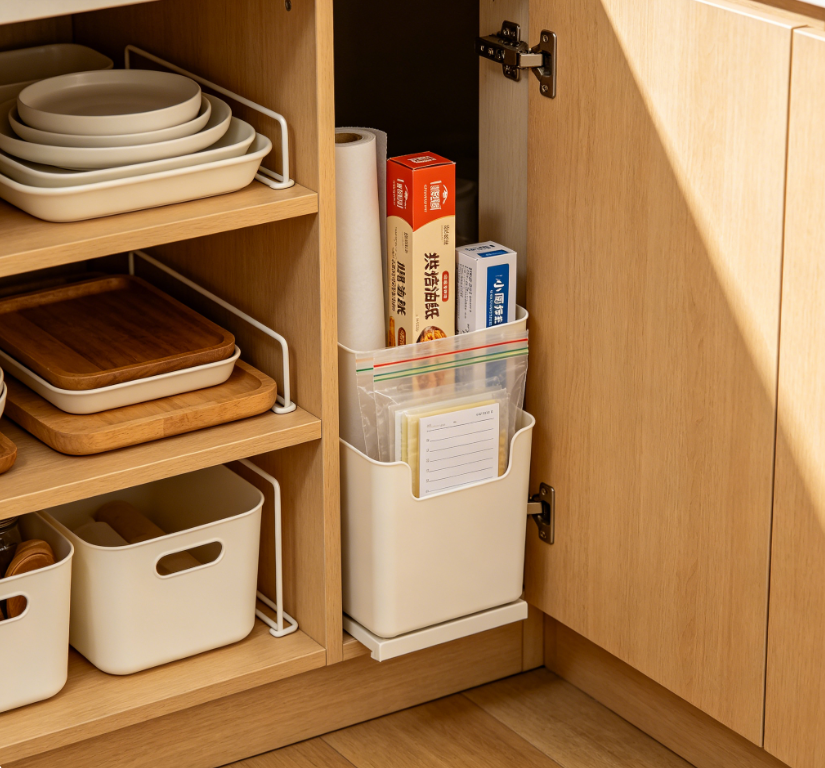
I also reserved the tiny rear gap of the cabinet for slim paper storage. Thin baking papers, food sealing bags, and small kitchen labels sit in a flat slim pouch tucked against the back wall. This previously wasted dead zone now holds miscellaneous thin items that used to clutter up the main storage area.
Realistic Pros and Cons of This Custom Narrow Cabinet System
This tailored layout solves the unique pain points of shallow, narrow rental kitchen cabinets. The shallow riser design eliminates door jamming and shelf shifting issues caused by over-sized organizers. Tiered layering improves item visibility and accessibility, reducing the need for frequent deep tidying. All the tools I use are lightweight, drill-free, and fully removable, leaving no scratches or damage to cabinet surfaces, which suits rental moving requirements perfectly. The flexible tray design also utilizes fragmented gap space that rigid universal products always waste.
This setup has clear limitations that are important to acknowledge. The low-profile organizers cannot accommodate large bulk food packages or oversized cooking containers, so bulk grocery stockpiles require separate pantry storage. The multiple small trays and pouches also create more individual pieces to sort during deep cleaning. Loose lightweight packets can still shift slightly when moving trays around during daily use.
Small Daily Habit That Prevents Cabinet Clutter Relapse
Most narrow cabinet clutter builds from excess packaging, not insufficient storage space. Many snack boxes and seasoning packages come with bulky outer cardboard layers that take up unnecessary room in shallow cabinets. These rigid outer packages also prevent items from sitting flush on shelves, creating unstable stacking and sliding.
I now remove all outer cardboard packaging from new grocery items before placing them in the cabinet. This simple step reduces item volume noticeably and lets every product sit flat and stable on shelf surfaces. It takes just a minute or two during grocery unpacking, but it stops gradual overcrowding and unstable stacking that leads to messy cabinets. Paired with my gap-friendly storage layout, this small habit keeps the narrow cabinet functional and tidy with minimal ongoing effort.
After years of trial and error, I’ve stopped trusting viral one-size-fits-all kitchen storage hacks. Narrow, shallow rental cabinets have fixed physical limitations, and sustainable organization only comes from adapting tools and habits to fit the space. Simple, low-friction, space-tailored setups always outperform trendy, ill-fitting organizers for daily rental kitchen life.