Smart Home Organization: Practical Strategies to Maximize Space and Reduce Clutter

Modern homes often face one common challenge: gradual clutter buildup. With daily shopping, seasonal item updates, and accumulated personal belongings, living spaces can slowly become disorganized, cramped, and difficult to manage. Smart home organization focuses on practical, sustainable, and low-maintenance solutions to optimize indoor space, arrange household items reasonably, and create clean, efficient, and comfortable living environments. Unlike temporary tidying that only solves surface messes, systematic organization builds long-term order that fits modern family lifestyles.
How Unorganized Spaces Affect Modern Living
Clutter is more than just an aesthetic issue; it directly impacts daily efficiency, household hygiene, and mental well-being. Disorganized cabinets, scattered personal items, and overstocked belongings waste valuable indoor space, making even well-sized homes feel crowded and cramped. Many people unconsciously spend extra time searching for documents, clothing, and daily necessities due to improper storage, which reduces daily efficiency and creates unnecessary frustration.
From a hygiene perspective, piled sundries and unorganized items create hidden dust corners. These neglected areas accumulate dust, lint, and allergens over time, affecting indoor air quality and increasing the risk of allergies and respiratory discomfort. For families with kids and pets, maintaining an organized space is essential for creating a safe, clean, and healthy living atmosphere.
Psychologically, a chaotic living environment increases visual stress and mental fatigue. After a busy workday, a cluttered home fails to provide a relaxing atmosphere, gradually affecting mood stability and overall life satisfaction. This is why smart home organization has become an essential part of modern high-quality living.
Core Principles of Smart and Sustainable Organization
To achieve long-term tidy results without repeated messes, professional home organization follows three easy-to-follow principles, suitable for all house types and family structures.
Reasonable Item Screening and Decluttering: The foundation of effective organization is regular decluttering. Household items should be screened periodically to remove expired products, broken gadgets, damaged clothing, and unused redundant supplies. Keeping only practical, necessary, and valuable items prevents storage overload and eliminates clutter from the source.
Zoned Storage by Function: Every room and every storage area needs clear functional zoning. Classify items by usage scenarios, including clothing, kitchen supplies, toiletries, office materials, and daily sundries. Place items with similar attributes in unified zones to avoid mixed storage, ensuring quick access and convenient replacement.
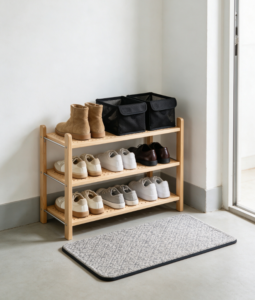
Low-Maintenance Layout Design: The best storage systems require minimal daily upkeep. Allocate storage positions according to usage frequency. High-frequency items are placed in easy-to-reach areas, while seasonal and occasional items are stored in hidden and high-level spaces. This user-friendly layout reduces the chance of random placement and makes daily tidying effortless.
Practical Room-by-Room Smart Organization Solutions
Bedroom and Wardrobe Smart Storage
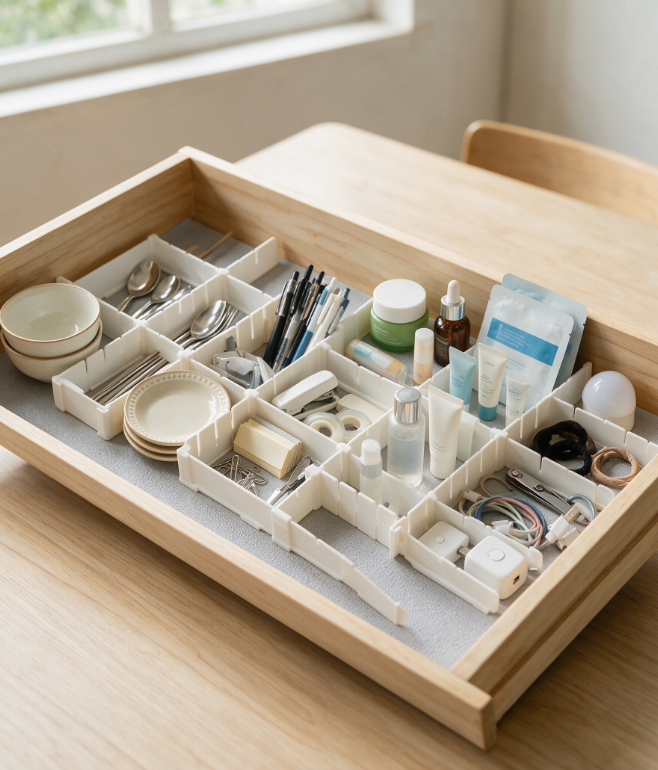
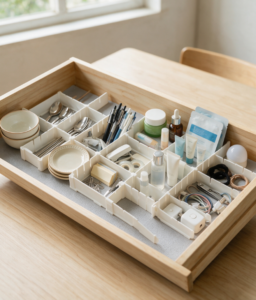
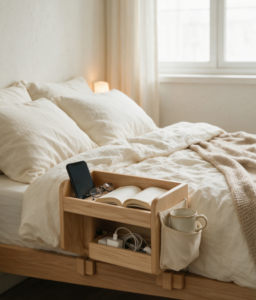
Bedroom organization prioritizes comfort and simplicity. Optimize wardrobe space by categorizing clothes by type, season, and daily usage. Use hanging areas for coats, shirts, and formal outfits to avoid wrinkles and simplify selection. Drawer dividers help organize underwear, socks, scarves, and accessories to prevent messy mixing. Off-season clothing and bulky quilts can be stored in lightweight compression storage bags to save considerable cabinet space. Keep bedside areas minimalist with only essential items, creating a quiet and restful sleeping environment.
Efficient Kitchen Organization
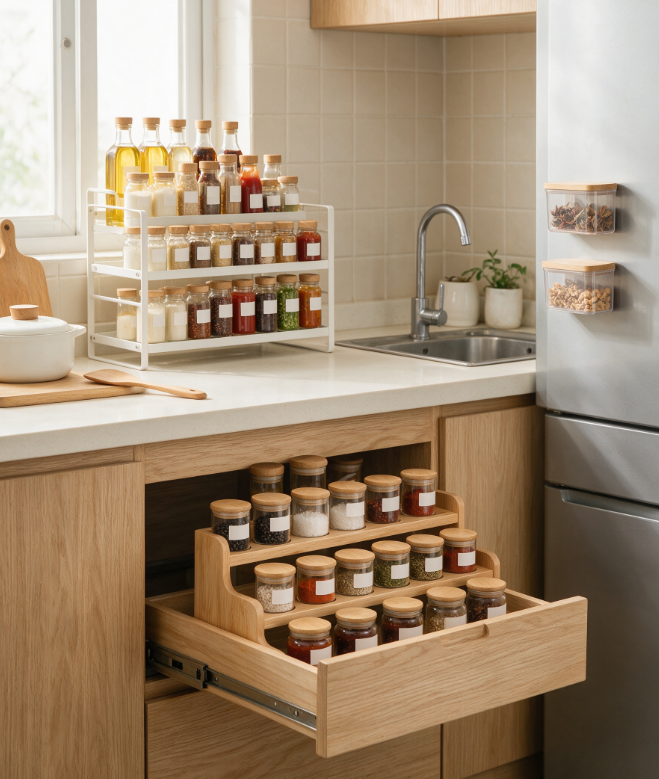
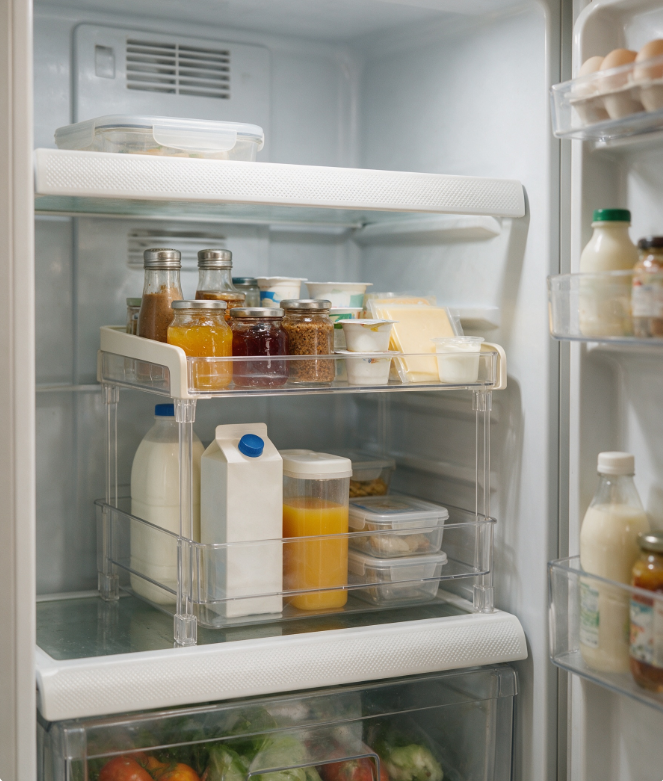
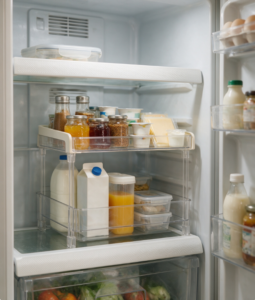
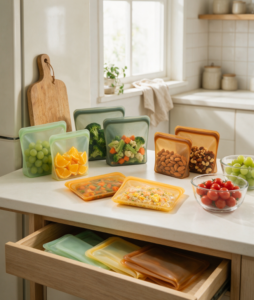
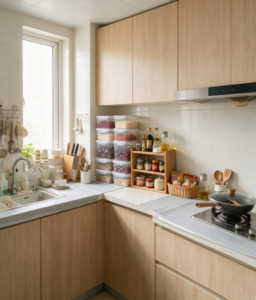
Kitchens require hygienic and high-efficiency storage solutions. Classify cooking utensils, tableware, baking tools, and seasoning supplies by function. Store grains, spices, and dry food in sealed transparent containers to prevent moisture, dust, and odor mixing. Make full use of vertical space through wall-mounted racks and shelf risers to reduce countertop accumulation. A clean and organized kitchen streamlines meal preparation, speeds up daily cleaning, and maintains long-term sanitary conditions.
Hygienic Bathroom Organization
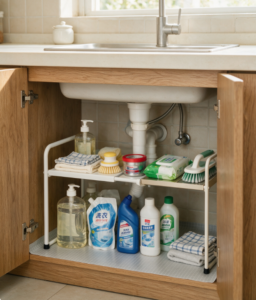
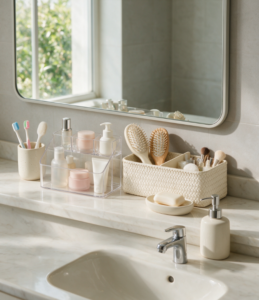
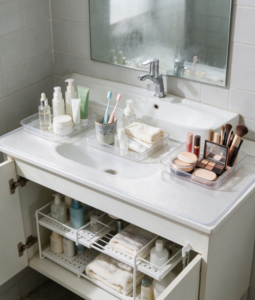
Due to humid conditions, bathrooms demand moisture-proof and tidy storage management. Sort skincare products, toiletries, and cleaning supplies according to usage frequency. Install floating shelves for daily essentials to maximize limited counter space, while placing backup supplies in closed waterproof cabinets. Regularly clean up expired products and redundant bottles to avoid visual clutter and bacterial growth, keeping the bathroom fresh and neat all year round.
Neat Living Room and Home Office
The living room focuses on visual cleanliness and practical storage. Centralize remote controls, small electronics, stationery, and children’s toys in unified storage baskets or cabinets to avoid scattered clutter. Simplify desktop and display shelf decoration to maintain a spacious and welcoming home atmosphere. For home offices, organize books, documents, and office supplies with labeled folders and partitioned shelves. A tidy workspace effectively improves focus, boosts work productivity, and creates a professional learning and working environment.
Small Daily Habits to Keep Your Home Always Tidy
Professional organization results can be sustained with simple daily routines. A short daily reset before resting helps restore household order, including putting items back in fixed positions, folding scattered clothes, and wiping messy surfaces. This tiny habit prevents long-term clutter accumulation and avoids exhausting large-scale cleaning work.
Adopt the “one-in, one-out” rule for household items. When purchasing new daily supplies, clothing, or gadgets, sort out old and unused items in a timely manner to keep the total number of household items balanced. This method effectively controls redundant accumulation and permanently reduces storage pressure.
Set a quarterly seasonal sorting routine. Reorganize seasonal clothing, bedding, and seasonal tools every few months, adjust storage layouts, and clean up expired items. Regular maintenance ensures the home remains organized, fresh, and functional throughout the year.
Why Smart Organization Improves Overall Living Quality
Investing in smart home organization brings long-term and tangible benefits to family life. A well-organized home saves daily time costs, reduces unnecessary housework pressure, and makes daily life more efficient and orderly. Reasonable space optimization maximizes home utilization, allowing small spaces to look spacious and large spaces to be more layered and structured.
In addition, a clutter-free living environment improves indoor hygiene, reduces allergens and dust buildup, and creates a healthier living space for families. Mentally, neat and orderly rooms relieve visual anxiety, stabilize emotions, and help residents maintain a positive and relaxed life state. It also cultivates good living habits for family members and creates a warmer, more harmonious family atmosphere.
Conclusion
Smart home organization is a practical lifestyle upgrade for modern families. It abandons complicated and impractical storage methods and relies on scientific decluttering, functional zoning, and low-maintenance habits to achieve permanent household order. A tidy, functional, and clutter-free home not only optimizes space utilization and household hygiene but also greatly improves daily comfort and happiness. For every homeowner pursuing efficient, healthy, and high-quality living, systematic home organization is a simple yet highly valuable long-term investment.