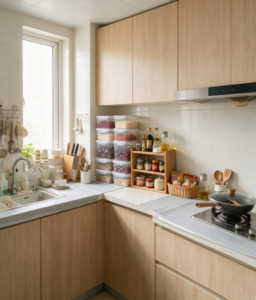
Minimalist Home Organization: Simple Methods for a Permanent Tidy Space

Tidying up a home is easy, but keeping it organized long-term is challenging for most modern families. Many homes fall into a cycle of “tidy today, messy tomorrow” because of overcomplicated storage solutions, excessive possessions, and disorganized daily habits. Minimalist home organization has become a trending and reliable solution for homeowners seeking stable cleanliness. Unlike traditional one-time deep cleaning, minimalist organization focuses on simplifying possessions, optimizing storage logic, and building low-maintenance living systems, helping every family maintain a comfortable, clutter-free, and highly functional home environment with less effort.
Why Traditional Tidying Always Fails
Most people fail at home organization for the same reason: they focus only on arrangement instead of reduction. Many households fill cabinets and shelves with idle clothes, unused gadgets, expired skincare products, and redundant daily supplies. Even with countless storage boxes and partition tools, excessive items will eventually overflow and cause messes.
Another common problem is unreasonable storage zoning. Storing frequently used items in hidden high places or mixing different types of goods together leads to inconvenient access. Family members tend to place items randomly instead of putting them back, resulting in rapid rebound chaos. Without a standardized and habit-friendly system, repeated tidying becomes endless housework that consumes time and energy.
The Core Concept of Minimalist Home Organization
Minimalist home organization follows one central idea: reduce redundancy, simplify storage, and retain only value. It abandons complicated storage decorations and useless items, allowing home spaces to return to simplicity and functionality. This organization method is widely recognized and adopted by modern homeowners because it fits fast-paced lifestyles and requires very little daily maintenance.
The first core principle is reducing invalid possessions. Every item kept in the home must be practical, necessary, or emotionally valuable. Broken, expired, duplicated, and long-term idle items are thoroughly sorted out and removed. Reducing the total amount of household items fundamentally eliminates the root of clutter.
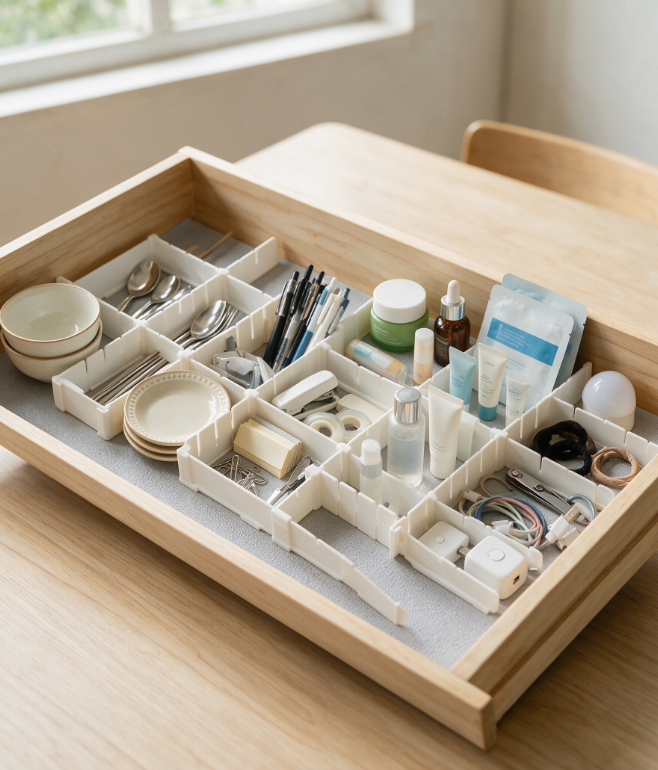
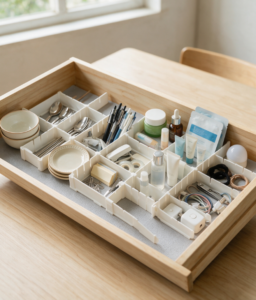
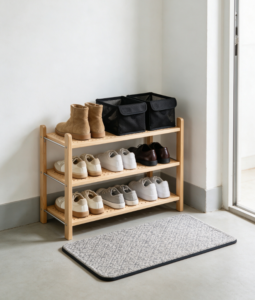
The second principle is simplifying storage structures. Minimalist organization avoids over-partitioning and excessive storage tools. It uses unified, simple, and versatile storage equipment to complete classified placement, ensuring clear layers and easy access. Clean visual lines and orderly space layout greatly reduce visual pressure.
The third principle is habit-oriented layout. All storage positions are set according to daily living habits. Frequently used items are placed within reach, while occasional items are stored in centralized hidden areas. This humanized design makes tidying up an instinctive behavior rather than a forced task.
Room-by-Room Minimalist Organization Guide
Minimalist Bedroom & Closet Storage
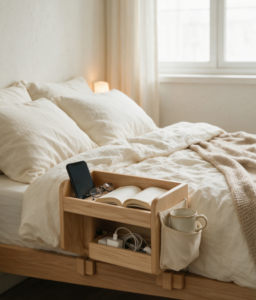
The bedroom is a space for rest, so the fewer distractions, the better. Minimalist closet organization advocates “visible and clear” storage. Daily clothing is hung in categories by style and color to avoid repeated folding and stacking. Underwear, socks, and accessories are placed in simple compartment drawers without fancy decorations. Off-season clothes and bulky quilts are compressed and stored in unified neutral-color storage boxes, placed at the top of the wardrobe or spare corners. The bedside area retains only essential items such as table lamps and tissues, creating a peaceful and relaxing sleeping atmosphere.
Low-Maintenance Kitchen Organization
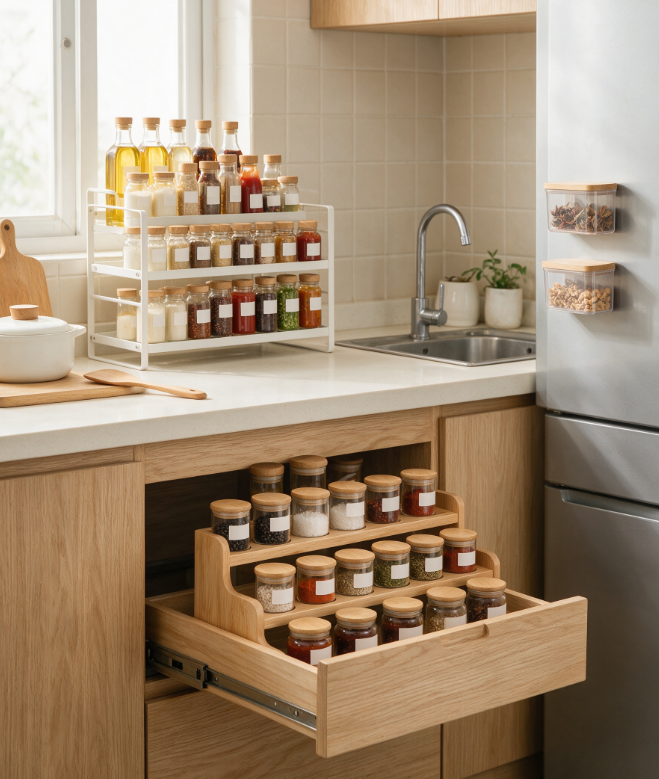
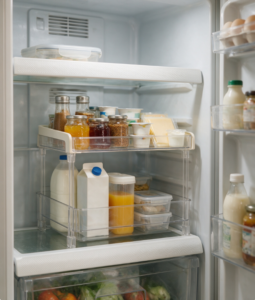
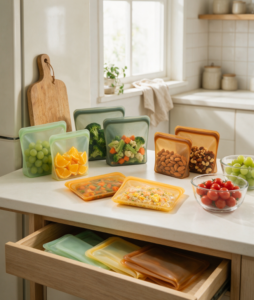
The core of kitchen minimalist organization is empty countertops and classified cabinets. Remove all unused decorative items and rarely used kitchenware from countertops, retaining only daily cooking supplies. All grains, spices, and dry ingredients are stored in unified transparent sealed jars to achieve consistent visual effects while preventing moisture and dust. Cooking utensils are hung on wall racks or placed in fixed drawer zones. This streamlined layout not only makes the kitchen look neat and advanced but also greatly improves cleaning and cooking efficiency.
Clean & Simple Bathroom Organization
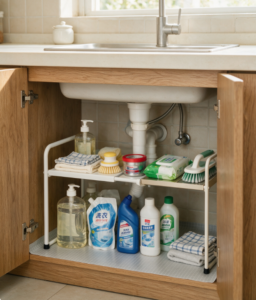
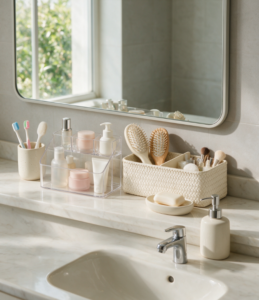
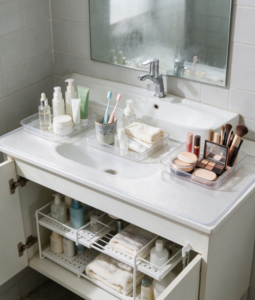
Bathroom clutter is mostly caused by scattered product bottles and stacked cleaning supplies. Minimalist bathroom sorting advocates quantity control and unified storage. Control the number of open skincare and toiletries to avoid accumulation of multiple spare products. Use layered wall shelves to place daily toiletries, and store all spare supplies in closed waterproof cabinets. Uniform bottle styles and neat placement eliminate messy visual effects, keeping the bathroom fresh, hygienic, and elegant all year round.
High-Efficiency Living Room & Study Organization
The living room represents the home’s overall texture. Minimalist organization reduces unnecessary display items and retains only practical and simple decorations. Toys, remote controls, and small sundries are uniformly stored in hidden storage cabinets or neutral-style storage baskets to ensure a clean visual field. The home study follows the principle of “clear desktop, classified documents”. Books, files, and stationery are placed in fixed partitions, avoiding random stacking. A simple and tidy study space effectively improves work efficiency and learning concentration.
Easy Daily Habits to Maintain Long-Term Tidiness
Minimalist organization does not rely on hard tidying work but lightweight daily habits. The 3-minute reset rule is the most practical method: before going to bed every night, simply reset the items used during the day, fold stray clothes, wipe tabletops, and put sundries back in place. This small habit avoids clutter accumulation and saves you from exhausting large-scale cleaning on weekends.
Adopt a strict replacement mechanism: one item in, one item out. When buying new clothes, new kitchen supplies, or new daily necessities, sort out the old and unused items in time to keep the total household items in a balanced state. This method permanently avoids excessive item accumulation and storage overload.
Set a monthly mini-declutter routine. Spend 10 to 20 minutes every month checking expired products, idle gadgets, and useless sundries, and clean them up in a timely manner. Regular minor sorting ensures that the home never returns to a chaotic state.
The Unique Benefits of Minimalist Home Organization
Different from traditional complicated storage methods, minimalist home organization reduces household pressure in essence. It cuts down redundant items, simplifies daily tidying steps, and makes home maintenance effortless. Families no longer need to spend a lot of time learning complex storage skills or purchasing various redundant storage tools.
In terms of living experience, a minimalist clutter-free home brings a sense of stability and comfort. The neat and uniform space visually reduces anxiety, relaxes the body and mind, and creates a warm and advanced family atmosphere. For families with children, a simple and orderly living environment can also subtly cultivate children’s sorting awareness and independent living habits.
In addition, scientific minimalist organization effectively saves home space, improves indoor air circulation, reduces dust accumulation, and creates a healthier and more hygienic living environment.
Final Thoughts
Home organization is not about stacking and filling spaces, but about subtracting life and optimizing living quality. Minimalist home organization provides modern homeowners with a simple, efficient, and long-lasting solution to clutter problems. Through reasonable item reduction, standardized simple storage, and lightweight daily maintenance, every home can maintain a permanent tidy state. A minimalist and orderly home allows people to stay away from trivial housework troubles, enjoy a relaxed and comfortable living atmosphere, and embrace a higher-quality daily life.