Renter-Friendly DIY: How to Make an Adjustable Paper Light Shield for Japanese Rental Windows
Introduction
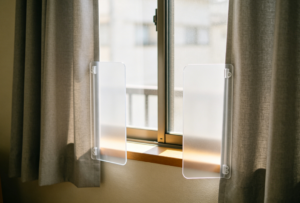
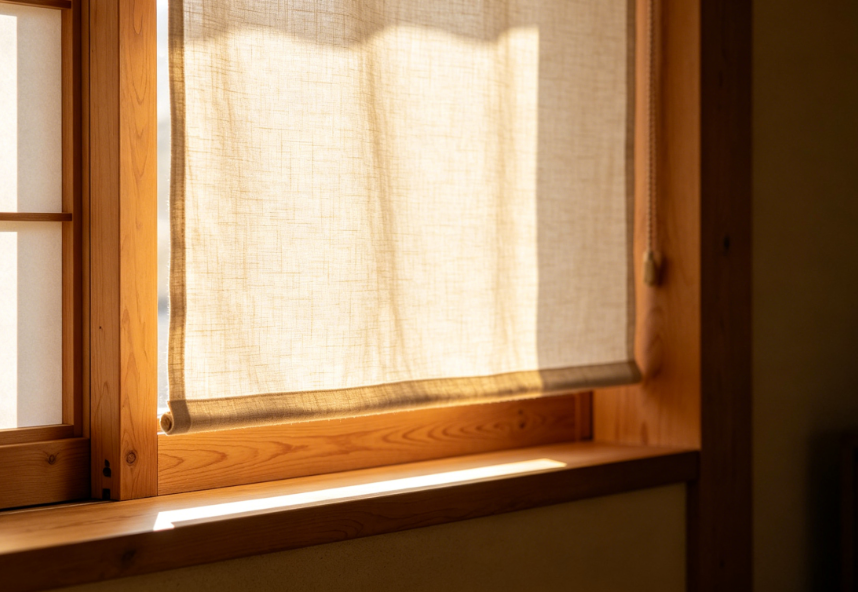
Most low-cost Japanese rental apartments are equipped with thin, translucent factory curtains that fail to block harsh external light. Early morning sunlight, dazzling streetlamps, and nocturnal neon reflections easily penetrate windows, interrupting sleep and disrupting indoor privacy. Since drilling curtain rods, installing permanent fixtures, or pasting opaque window films are restricted by rental contracts, tenants face difficulties modifying window lighting conditions. Under such constraints, a handmade adjustable paper light shield becomes an elegant low-cost solution. Constructed from thick textured paper and removable accessories, this lightweight blind softens intense illumination, maintains indoor privacy, and filters harsh glares. Beyond simple shading functions, this handmade paper tool reflects the traditional Japanese aesthetic ofdiffused light, turning raw window brightness into gentle, tranquil indoor luminosity.
Design Concept of the Paper Light Shield
Unlike thick commercial blackout curtains that completely block sunlight, this handmade paper blind adopts semi-transparent light-diffusing structure. It follows three renter-oriented design principles: traceless fixation, gradual light adjustment, and breathable translucency. Japan’s distinct seasonal sunlight intensity requires adaptive shading; therefore, the paper material balances partial light transmission and privacy protection. Moreover, all components are detachable and residue-free, strictly complying with Japan’s original-restoration rental rules. Instead of completely isolating external light, this tool softens harsh brightness, echoing the Japanese residential philosophy of harmonizing natural light with indoor living spaces.
Required Materials (Available at Japanese 100-Yen Shops)
- Thick matte washi-style textured paper (two large sheets)
- Clear removable adhesive hanging clips (six pieces)
- Thin transparent fishing thread
- Mini plastic adjustment buckles
- Soft paper edge reinforcing tape
Step-by-Step Fabrication Process
Step 1: Measure Window Frame and Trim Paper
Measure the height and width of the rental window frame. Most Japanese apartment windows have narrow metal edges unsuitable for heavy curtains. Cut the textured paper into two overlapping large panels, leaving a two-centimeter margin to cover glass gaps. Trim all corners into rounded shapes to prevent paper tearing during long-term use. Washi-style paper is intentionally selected for its soft light permeability, heat insulation, and resistance to yellowing under ultraviolet rays.
Step 2: Reinforce Edges and Drill Fine Thread Holes
Attach transparent reinforcing tape to the paper edges to enhance tensile strength. Thin paper is fragile during repeated lifting; reinforcement prevents fraying and deformation. Punch tiny invisible holes at the top of each paper panel. The holes are kept minimal to maintain minimalist visual purity while allowing fishing threads to pass through for height control.
Step 3: String Threads and Install Adjustment Buckles
Pass transparent fishing threads through the reserved holes and fix plastic adjustment buckles at the thread ends. These small buckles enable users to raise, lower, or suspend the paper blind at any height. The invisible thread design avoids disrupting the simple window tone, keeping the indoor atmosphere clean and subtle. Different from rigid plastic blinds, this paper structure retains soft texture and natural light permeability.
Step 4: Attach Adhesive Clips for Traceless Fixation
Paste six transparent adhesive clips evenly on the upper window frame. No drilling or permanent glue is applied. Hang the threaded paper panels onto the clips and gently adjust vertical balance. After installation, slightly pull the adjustment threads to test the lifting fluency. The entire assembly process takes less than twenty minutes and leaves zero damage on window frames.
Daily Usage and Functional Advantages
This handmade paper light shield provides multi-dimensional improvements for rental living environments. In the early morning, it diffuses sharp sunlight into mild soft brightness, preventing sudden glare from interrupting deep sleep. At night, it blurs outdoor streetlamp glows and isolates pedestrian sightlines, ensuring basic privacy without fully darkening the room. During hot summer days, the thick paper layer insulates partial solar heat and lowers indoor temperature subtly. In winter, it reduces cold air transmission through glass surfaces. When seasons change, the paper blind can be disassembled, folded, and stored in a tiny drawer without occupying storage space.
Broader Reflection: Soft Modification in Borrowed Homes
In Japan’s rigid rental system, windows are immutable building components that cannot be replaced or refitted. Tenants must adapt to fixed light intensity and external visual exposure. This handmade paper blind symbolizes a soft resistance toward unreasonable spatial limitations. Instead of violently blocking light with heavy fabrics, residents use gentle paper to negotiate with natural illumination.
Furthermore, the simple production process cultivates sensory awareness. Modern urban dwellers often ignore the influence of light rhythm on sleep and mood. Cutting paper, arranging threads, and adjusting heights encourage renters to actively shape their personal light environment. This minor handmade behavior transforms indifferent window glass into a controllable, soothing light boundary.
Conclusion
The adjustable DIY paper light shield embodies minimalist rental wisdom in Japan. With low-cost paper materials, simple thread assembly, and traceless installation, it optimizes indoor light quality, protects personal privacy, and subtly improves thermal insulation performance. It proves that comfortable living does not require expensive customized curtains. Through delicate handmade modification, even plain rental windows can generate soft, peaceful luminosity. Ultimately, this thin paper blind interprets the timeless Japanese living philosophy: living softly, adapting gently, and pursuing subtle beauty within constrained temporary spaces.