Solar Energy: Harnessing the Sun’s Power for a Sustainable Tomorrow
As the world grapples with the challenges of climate change, rising energy costs, and the need for sustainable resources, solar energy has emerged as a leading solution to build a greener, more resilient future. The sun, our most abundant and renewable energy source, provides an endless supply of clean power that can be harnessed to meet the world’s growing energy demands—without the harmful emissions of fossil fuels. From small residential setups to large-scale solar farms, solar technology is evolving rapidly, making clean energy accessible to more people and businesses than ever before.
Understanding Solar Energy: How It Works
Solar energy is the conversion of sunlight into usable energy, primarily electricity, through two main technologies: photovoltaic (PV) systems and concentrated solar power (CSP). The most common and accessible of these is PV technology, which is used in the solar panels you see on rooftops, businesses, and even portable devices.
PV panels are composed of semiconductor cells (usually made of silicon) that absorb photons from sunlight. When sunlight hits these cells, it knocks electrons loose from their atoms, creating an electric current—a process known as the photovoltaic effect. This direct current (DC) is then converted into alternating current (AC) using an inverter, making it suitable for powering homes, offices, and electrical appliances.
Concentrated solar power, on the other hand, is designed for large-scale energy production. It uses mirrors or lenses to focus sunlight onto a central receiver, which heats a fluid (such as water or molten salt) to generate steam. This steam then drives turbines connected to generators, producing electricity that can power entire communities. CSP is particularly effective in regions with intense, consistent sunlight, such as deserts.
Key Advantages of Solar Energy
Solar energy offers numerous benefits that make it a superior alternative to traditional fossil fuels, benefiting individuals, businesses, and the planet:
- Clean and Emission-Free: Unlike coal, oil, or natural gas, solar energy produces no greenhouse gas emissions, air pollution, or toxic waste during operation. This helps reduce carbon footprints, combat climate change, and improve air quality, leading to healthier communities.
- Renewable and Infinite: The sun is an infinite resource—its energy will be available for billions of years, making solar a sustainable solution that will never run out. This stands in stark contrast to finite fossil fuels, which are rapidly depleting.
- Cost-Saving and Economical: Over the past decade, the cost of solar panels has dropped by more than 80%, making solar energy affordable for homeowners and businesses. Once installed, solar systems have low maintenance costs and can significantly reduce or eliminate monthly electricity bills. Many governments and utilities also offer tax credits, rebates, and net metering programs (allowing excess energy to be sold back to the grid) to further lower costs.
- Energy Independence and Resilience: Installing solar panels allows individuals and businesses to generate their own electricity, reducing reliance on utility companies and volatile energy prices. When paired with battery storage systems, solar setups can provide power during blackouts, natural disasters, or grid failures, enhancing energy resilience.
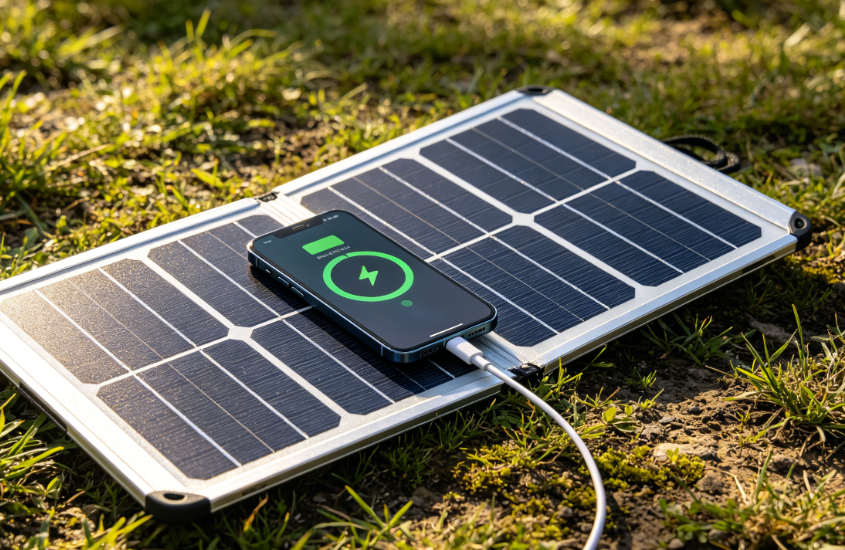
- Versatile and Accessible: Solar energy can be adapted to nearly any setting. It works for small residential rooftops, large commercial buildings, remote off-grid communities, and even portable devices (like solar-powered chargers). Solar shingles and solar windows also integrate seamlessly into building designs, combining functionality with sustainability.
Real-World Applications of Solar Energy
Solar energy is not just a theoretical solution—it is already being used worldwide in diverse ways to power daily life and drive progress:
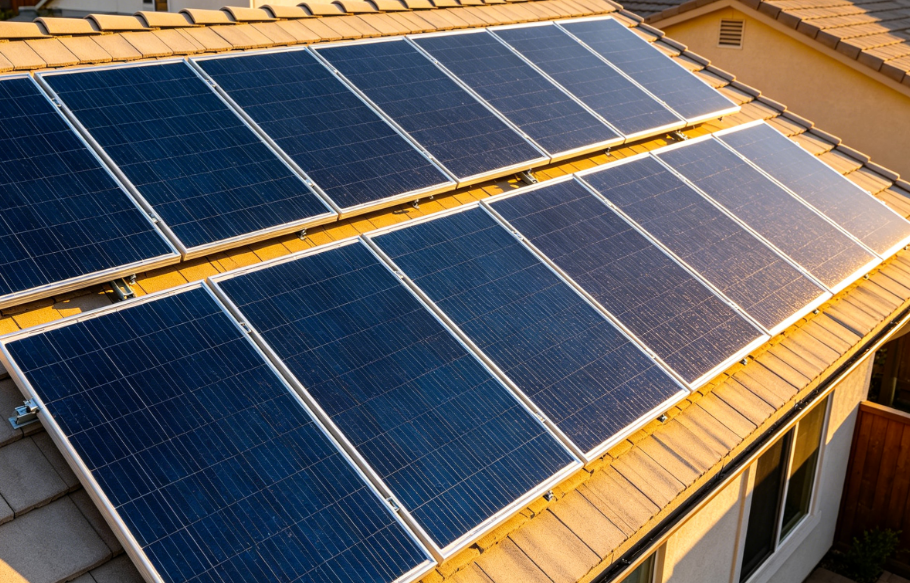
- Residential Solar: Millions of homeowners around the world have installed rooftop solar panels to power their homes. These systems typically offset 50-100% of a home’s electricity use, saving money and reducing environmental impact. Some homeowners even generate enough excess energy to earn credits from their utility company.
- Commercial and Industrial Solar: Businesses, factories, and organizations use solar energy to cut operational costs and demonstrate their commitment to sustainability. Large-scale solar arrays on corporate campuses or industrial facilities can power entire operations, while solar-powered lighting and heating systems reduce energy waste.
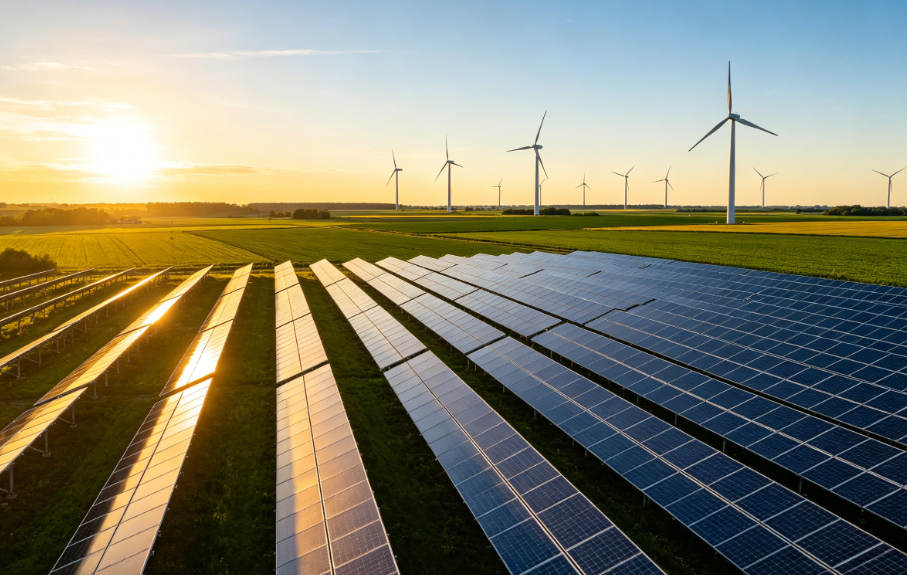
- Utility-Scale Solar Farms: These massive installations, covering hundreds or thousands of acres, generate electricity that is fed into the public grid. For example, the Ivanpah Solar Electric Generating System in California uses CSP technology to power over 140,000 homes. Solar farms are increasingly common in sunny regions, contributing to grid stability and renewable energy targets.
- Off-Grid Solar: In remote areas without access to the electrical grid—such as rural communities, campsites, or developing regions—off-grid solar systems (paired with batteries) provide a reliable source of electricity. These systems power homes, schools, healthcare clinics, and water pumps, improving quality of life and access to essential services.
- Solar Thermal Systems: Beyond electricity, solar energy is used to heat water and spaces. Solar water heaters use sunlight to warm water for homes, hotels, and hospitals, reducing the need for gas or electric heaters. Solar thermal systems can also be used for industrial processes, such as drying crops or heating factories.
The Future of Solar Energy: Innovations and Growth
The future of solar energy is bright, with ongoing innovations driving efficiency, affordability, and accessibility. Researchers and engineers are constantly developing new technologies to improve solar panel performance, reduce costs, and overcome current limitations (such as energy storage for cloudy days or nighttime use).
One major advancement is the development of thin-film solar panels, which are lighter, more flexible, and cheaper to produce than traditional silicon panels. These panels can be installed on curved surfaces, vehicles, and even clothing, expanding solar’s applications. Another key innovation is energy storage: lithium-ion batteries and emerging technologies (like flow batteries) are becoming more efficient and affordable, allowing users to store excess solar energy for use when the sun isn’t shining.
Governments worldwide are also supporting solar energy growth through ambitious renewable energy targets. Many countries aim to generate 50% or more of their electricity from renewable sources by 2030, with solar playing a central role. As solar adoption increases, it will create millions of jobs in manufacturing, installation, maintenance, and research, driving economic growth while protecting the planet.
Conclusion
Solar energy is more than just a renewable resource—it is a catalyst for change, offering a path to a cleaner, more sustainable, and equitable future. Its ability to provide clean, affordable, and accessible power makes it a critical solution to the world’s energy and climate challenges. Whether you’re a homeowner looking to save money, a business aiming to reduce its carbon footprint, or a community seeking energy independence, solar energy offers a simple, effective way to contribute to a greener tomorrow. As technology advances and adoption grows, the sun’s power will continue to light the way toward a more sustainable world for generations to come.