Affordable Dental Health: Simple, Budget-Friendly Tips for a Healthy Smile
Many people believe that maintaining good dental health requires expensive products, frequent dentist visits, or fancy treatments—but this couldn’t be further from the truth. Dental health doesn’t have to break the bank; with simple, budget-friendly habits and smart choices, anyone can keep their teeth and gums healthy without spending a fortune. This article shares practical, affordable dental care tips, debunks the myth that dental health is costly, and provides guidance on how to prioritize oral care even when on a tight budget. Whether you’re looking to cut down on dental expenses or simply want to adopt a more affordable routine, these tips will help you maintain a bright, healthy smile without overspending.
Oral health disparities often stem from the belief that good dental care is expensive. But the most effective dental habits are simple and low-cost: brushing, flossing, and making smart lifestyle choices. By focusing on prevention rather than treatment, you can avoid costly dental procedures like fillings, crowns, or gum disease treatments. This guide will show you how to build an affordable dental routine that works for you, no matter your budget.
Budget-Friendly Daily Oral Care Routine
You don’t need expensive toothbrushes, toothpaste, or mouthwash to keep your teeth clean. Here’s a simple, affordable daily routine that works just as well as pricier options:
Choose Affordable (But Effective) Dental Products
Dental products don’t have to be expensive to be effective. Generic or store-brand fluoride toothpaste works just as well as name-brand options—look for the American Dental Association (ADA) seal of approval to ensure quality. A basic soft-bristled toothbrush (either manual or electric) is sufficient; electric toothbrushes can be affordable too, with budget-friendly options available for under $20. For flossing, traditional floss is cheaper than floss picks or interdental brushes, and a single spool can last for months. Avoid fancy add-ons like whitening toothpaste or specialized mouthwash unless you have specific needs—they’re often unnecessary and add to your expenses.
Master the Basics: Brush and Floss Consistently
The most affordable and effective dental care is consistent brushing and flossing. Brush your teeth twice a day for two minutes each time, using a soft-bristled toothbrush and fluoride toothpaste. Floss once a day to remove plaque from between your teeth—this simple step can prevent cavities and gum disease, saving you money on future treatments. Remember to brush your tongue to reduce bacteria and bad breath, which doesn’t cost a thing.
Make the Most of Your Dental Products
Extend the life of your dental products to save money. Replace your toothbrush every 3–4 months, or when the bristles are frayed—don’t replace it sooner than necessary. For floss, use only the amount you need (about 18 inches per use) to avoid wasting it. If you use mouthwash, dilute it with water if needed (check the label first) to make it last longer. These small steps can add up to savings over time.
Lifestyle Habits That Save Money on Dental Care
The best way to save money on dental care is to prevent problems from happening in the first place. These low-cost lifestyle habits can help you avoid costly dental treatments:
Eat Budget-Friendly, Tooth-Healthy Foods
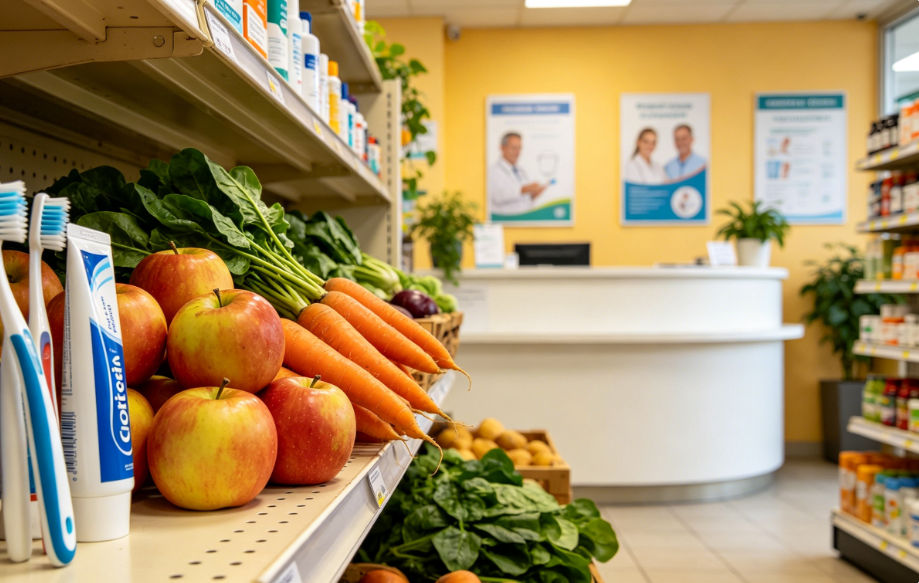
You don’t need to buy expensive superfoods to support dental health. Many affordable, everyday foods are great for your teeth: oats, brown rice, and whole-grain bread (whole grains), eggs and beans (lean protein), carrots, apples, and bananas (crunchy fruits and vegetables), and milk or yogurt (dairy for calcium). These foods are often cheaper than processed snacks and sugary treats, which can cause cavities and lead to expensive treatments. Limit sugary foods and drinks—they’re not only bad for your teeth but also more expensive than water or unsweetened tea.
Avoid Habits That Damage Teeth (and Cost Money to Fix)
Certain habits can damage your teeth and lead to costly repairs. Avoid chewing on hard objects like ice, pens, or nails—this can chip or crack your teeth, requiring fillings or crowns. Don’t use your teeth to open packages or bottles, as this can cause broken teeth. Quit smoking or using tobacco products—they stain teeth, cause gum disease, and increase the risk of oral cancer, all of which require expensive treatments. These habits are not only harmful to your dental health but also add unnecessary costs.
Stay Hydrated with Water
Water is the cheapest and best drink for your teeth. It washes away food particles and bacteria, keeps your mouth hydrated, and helps neutralize acid. Drinking water instead of sugary drinks or expensive bottled beverages saves money and protects your teeth. If your tap water contains fluoride (most do), drinking it regularly also helps strengthen tooth enamel, reducing the risk of cavities.
Affordable Dental Check-Ups and Treatments
Regular dental check-ups are essential for prevention, but they don’t have to be expensive. Here are ways to get affordable dental care:
Look for Low-Cost Dental Clinics
Many communities have low-cost or sliding-scale dental clinics that offer affordable check-ups, cleanings, and treatments. These clinics are often run by dental schools, community health centers, or non-profit organizations. They provide quality care at a fraction of the cost of private dental offices. You can also check with your local health department for information on affordable dental services in your area.
Take Advantage of Dental Insurance (or Alternatives)
If you have dental insurance, use it to cover regular check-ups and cleanings—many plans cover these services at little or no cost. If you don’t have insurance, consider a dental savings plan, which offers discounts on dental services for a monthly or annual fee. These plans are often cheaper than insurance and can save you money on check-ups, cleanings, and treatments.
Don’t Delay Treatment
Delaying dental treatment can turn a small, affordable problem into a large, expensive one. For example, a small cavity can be filled for a relatively low cost, but if left untreated, it can lead to a root canal or tooth extraction, which are much more expensive. If you experience tooth pain, bleeding gums, or other dental issues, visit a dentist as soon as possible—even if you’re on a budget. Many clinics offer payment plans to help you cover the cost of treatment.
Common Myths About Affordable Dental Care
Let’s debunk some common myths that prevent people from prioritizing dental care on a budget:
Myth 1: “Affordable dental products don’t work.”
False. Generic toothpaste, basic toothbrushes, and traditional floss are just as effective as expensive options—they all remove plaque and bacteria. The key is to use them consistently, not to spend more money.
Myth 2: “I can’t afford to go to the dentist, so I’ll skip check-ups.”
False. Skipping check-ups can lead to more expensive treatments later. Low-cost clinics and dental savings plans make check-ups affordable for most people. Even a single check-up per year can help catch problems early, saving you money in the long run.
Myth 3: “Dental health is less important than other health priorities when on a budget.”
False. Poor dental health can lead to more serious health issues, like heart disease and diabetes, which are even more expensive to treat. Investing in simple, affordable dental care now can save you money on both dental and overall health costs later.
Conclusion: Dental Health Is Accessible to Everyone
Maintaining good dental health doesn’t have to be expensive. With simple, budget-friendly habits—like using affordable dental products, brushing and flossing consistently, eating tooth-healthy foods, and taking advantage of low-cost dental services—anyone can keep their teeth and gums healthy without overspending.
Remember, the most important thing is consistency, not cost. Even the cheapest dental routine, when done regularly, is better than an expensive routine that you don’t stick to. By prioritizing prevention and making smart choices, you can enjoy a bright, healthy smile without breaking the bank. Dental health is for everyone, regardless of budget—and it all starts with small, affordable steps today.